CJP member moves Supreme Court on whereabouts of Dipke, Das, Ranka
Source Entity
India Latest News: Top National Headlines Today & Breaking News | The Hindu
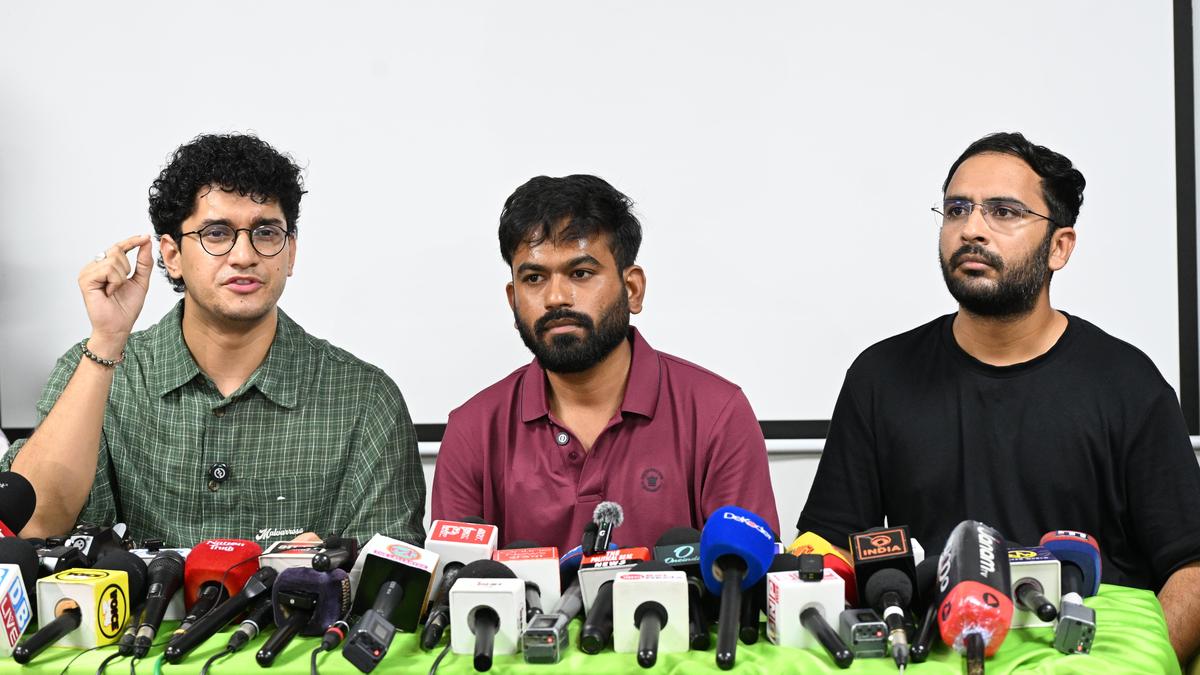
Authorities in Gautam Budh Nagar and Delhi have implemented strict security measures, including Section 163 of the BNSS and mass detentions, ahead of a planned Cockroach Janta Party (CJP) protest. Over 35,000 security personnel are being deployed to manage potential unrest and maintain public order.
Heightened Security Measures Amidst Political Unrest
In anticipation of a major demonstration organized by the Cockroach Janta Party (CJP) at Jantar Mantar, authorities in the National Capital Region have initiated a massive security clampdown. The Gautam Budh Nagar police have officially imposed restrictive measures under Section 163 of the Bharatiya Nagarik Suraksha Sanhita (BNSS), 2023, effective through October 20. These regulations are designed to preemptively mitigate the risks of civil disorder and ensure that public spaces remain under strict oversight during this volatile period.
Strategic Restrictions and Public Order
The prohibitory orders in Gautam Budh Nagar are comprehensive, covering 18 specific restrictions aimed at curbing unauthorized public gatherings. Key prohibitions include the assembly of five or more individuals in public areas without explicit prior permission from senior police officials. Furthermore, the authorities have explicitly banned the storage of materials that could be weaponized during protests, such as bricks, stones, and flammable substances, while also outlawing the burning of effigies.
Large-Scale Operational Response
Across the border in Delhi, the security apparatus is operating on a war footing. To manage the fallout of the CJP’s 'Jantar Mantar 2.0' protest against the Election Commission, the Delhi Police has finalized a security plan involving 35,000 personnel. This deployment is reflective of the high-stakes nature of the protest, which targets Election Commissioner Gyanesh Kumar. The logistical footprint of this security operation will inevitably lead to significant disruptions in metro services and market operations throughout the city.
Preventive Detention and Intelligence Operations
As part of a proactive strategy to maintain peace, the Delhi Police conducted overnight operations across 15 districts, resulting in the detention of at least 100 individuals with existing criminal records. Intelligence sources indicate that these individuals were targeted due to suspected affiliations or intentions to join the CJP protest. By neutralizing potential agitators before the event commences, law enforcement aims to prevent the escalation of violence that characterized previous demonstrations.
Legal and Administrative Hurdles
The current impasse is fueled by the Delhi Police’s refusal to grant formal permission for the Jantar Mantar protest. Joint Commissioner of Police (New Delhi) Nupur Prasad confirmed that the request was denied due to the organizers' failure to adhere to conditions set during previous demonstrations. This refusal has created a tense standoff, as the CJP remains defiant in its push to challenge the Election Commission, prompting the state to rely heavily on preventive detentions and strict movement restrictions.
Future Implications for Public Assembly
The ongoing situation highlights a shifting landscape in how authorities manage political dissent and public protests in the capital. The reliance on the BNSS 2023 framework to enforce long-term restrictions suggests a more rigid approach to public order management. As the October 20 deadline approaches, the trend indicates that administrative authorities are increasingly prioritizing preventive security measures over the facilitation of large-scale public demonstrations, setting a significant precedent for future political activism in the region.
Multiple Citing Sources
Verification Required?