Left parties, student and youth groups stage protest against CEC in Kalaburagi
Source Entity
India Latest News: Top National Headlines Today & Breaking News | The Hindu
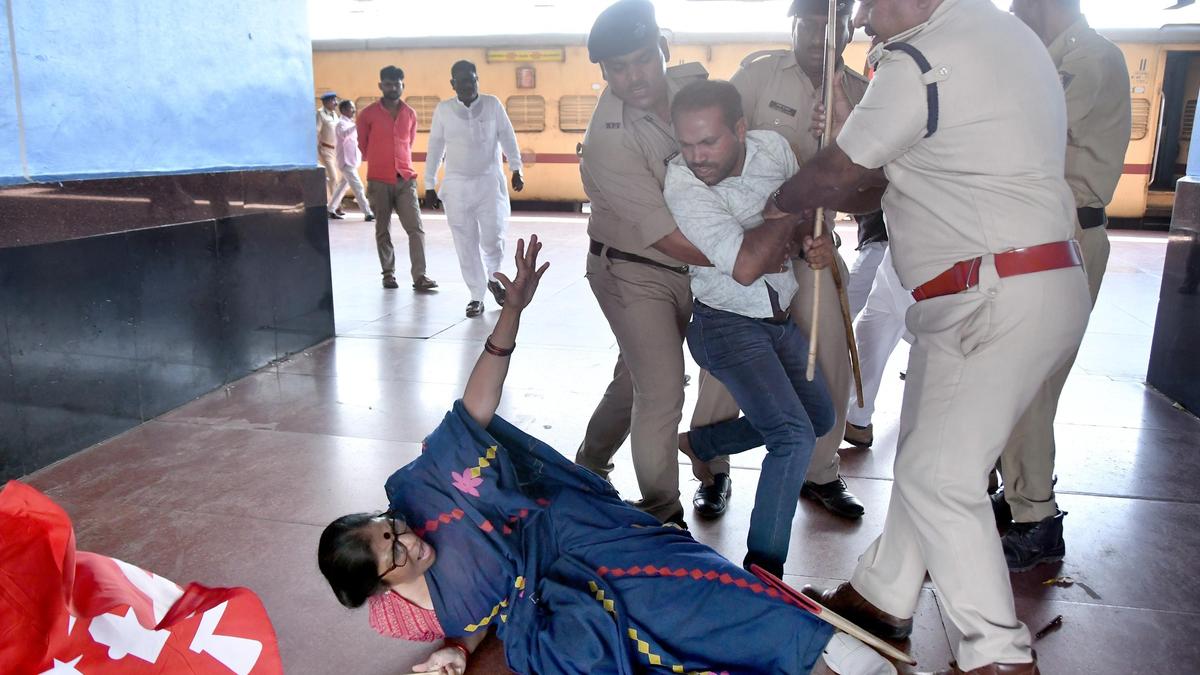
Left-wing parties and student groups in Kalaburagi held a two-hour protest at the local railway station. The demonstrators demanded the withdrawal of the Special Intensive Revision of electoral rolls and the removal of Election Commissioner Gyanesh Kumar.
Protest Erupts in Kalaburagi Over Electoral Roll Revision
On Saturday, a coalition of Left-wing political parties and various student and youth organizations converged on the railway station in Kalaburagi to voice their dissent against the Election Commission of India. The demonstration, which saw participants marching onto the platforms and staging a sit-in for approximately two hours, highlights a growing tension regarding the administrative processes governing electoral integrity.
Core Demands and Grievances
The protesters centered their agitation on the 'Special Intensive Revision' (SIR) of electoral rolls. By demanding the withdrawal of this process, the coalition is signaling a deep-seated distrust in the current methodologies being employed to update voter lists. Furthermore, the explicit demand for the removal of Chief Election Commissioner Gyanesh Kumar points to a broader systemic critique of the leadership and impartiality of the Election Commission of India, which remains a cornerstone of the nation’s democratic framework.
The Role of Collective Action
This event was organized through a rare unified front, featuring the CPI(M), the CPI, and the SUCI(C), alongside student and youth groups. This collaborative effort underscores the intensity of the sentiment among these organizations. By choosing a high-traffic public space like a railway station, the activists sought to maximize visibility and force a public conversation regarding what they characterize as the 'suppression of the right to protest.'
Confrontation and Administrative Friction
The demonstration was marked by a direct confrontation between the protesters and law enforcement. As police attempted to disperse the crowd, the resolve of the student and youth participants resulted in a prolonged standoff. This clash illustrates the friction between the state's interest in maintaining public order—specifically in critical infrastructure zones—and the democratic mandate for citizens to express grievances against state institutions.
Broader Democratic Implications
The protest in Kalaburagi serves as a microcosm of the ongoing debates surrounding electoral transparency in India. When political parties and youth organizations mobilize against the Election Commission, it suggests a perceived erosion of trust in the neutral machinery of the state. As these groups continue to advocate for their specific demands, the intersection of administrative policy and public dissent will likely remain a flashpoint in upcoming political discourse.
Conclusion
While the immediate impact of the sit-in was a disruption of railway operations, the long-term significance lies in the challenge posed to the current electoral revision process. Moving forward, the relationship between the Election Commission and opposition entities will be tested by these persistent demands for transparency and accountability, ensuring that the debate over electoral rolls remains a central theme in regional political activism.
Verification Required?