After Citing "Other Sorrows", Sonam Wangchuk's Hunger Strike Warning Over CJP Protest Crackdown
Source Entity
NDTV News Search Records Found 1000
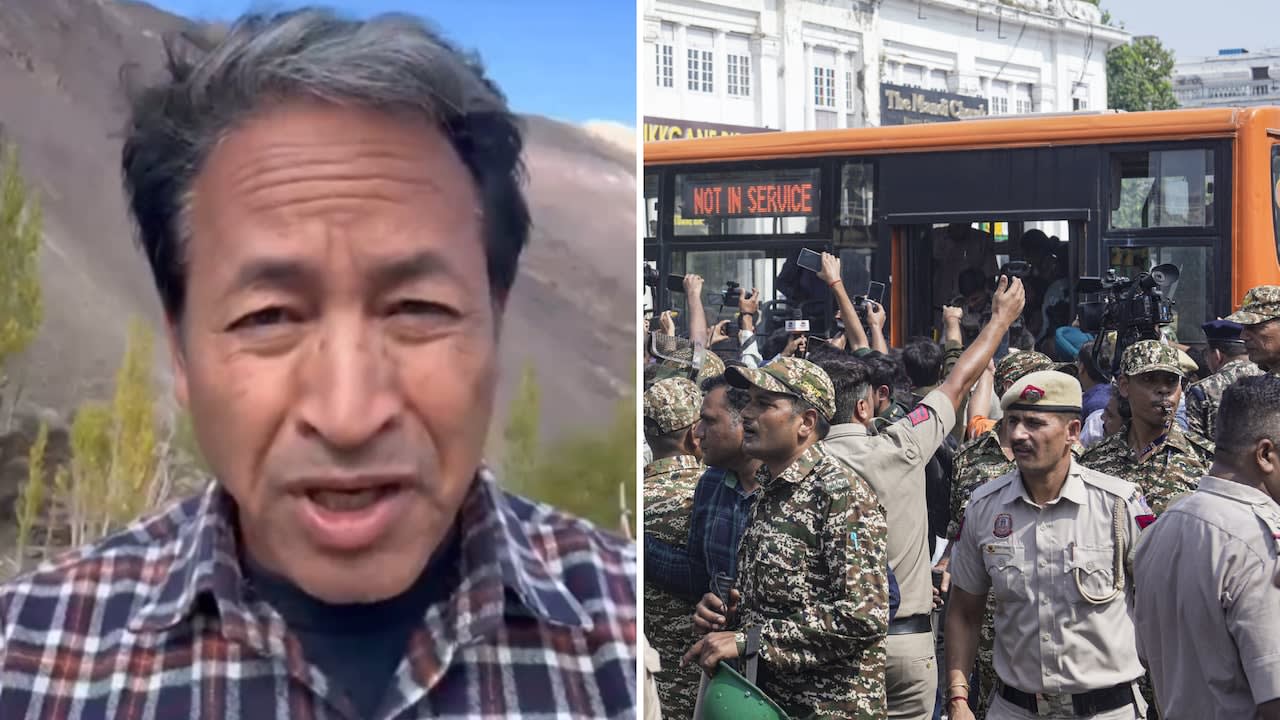
Climate activist Sonam Wangchuk has threatened a hunger strike or protest march following the detention of several political leaders and activists in New Delhi. The detentions occurred as figures like Arvind Kejriwal and Mamata Banerjee attempted to protest against the Election Commission at Jantar Mantar.
Tensions Escalate in the Capital: Sonam Wangchuk’s Ultimatum
Climate activist Sonam Wangchuk has issued a stern warning to the Indian government, threatening to launch a hunger strike or a protest march if several political leaders and activists detained in New Delhi are not released. The situation centers on the detention of prominent figures, including Aam Aadmi Party (AAP) chief Arvind Kejriwal, Trinamool Congress (TMC) leader Mamata Banerjee, Kerala Chief Minister Pinarayi Vijayan, and activists such as Yogendra Yadav and Prashant Bhushan. These individuals were intercepted by the Delhi Police while attempting to reach Jantar Mantar for a demonstration organized by the Cockroach Janta Party.
The Context of the Protest
The protest at Jantar Mantar was intended to voice public grievances regarding the alleged irregularities in the functioning of the Election Commission of India, specifically calling for the resignation of Chief Election Commissioner Gyanesh Kumar. The heavy police presence and subsequent mass detentions have drawn sharp criticism from civil society members. Sonam Wangchuk, who had previously expressed his inability to attend the protest in person, has now become a central voice in condemning the state's actions, characterizing the atmosphere as an 'undeclared emergency.'
Defining the 'Undeclared Emergency'
Wangchuk’s use of the term 'undeclared emergency' serves as a potent rhetorical device, invoking historical parallels to the 1975–1977 period in India when civil liberties were suspended. By utilizing this language, Wangchuk is attempting to frame the current administrative actions—such as the preemptive detention of opposition leaders and the stifling of public assembly—as a systemic degradation of democratic norms. This narrative shift moves the discourse from a specific protest against the Election Commission to a broader debate about the health of India's democratic institutions.
Implications of the Hunger Strike Strategy
Sonam Wangchuk has a history of utilizing non-violent civil disobedience, such as hunger strikes and long-distance marches, to draw national attention to regional issues, particularly those concerning Ladakh. His threat to replicate these tactics in the national capital suggests a transition from localized advocacy to a broader national political platform. By aligning himself with the detained leaders, Wangchuk is attempting to consolidate disparate opposition voices under a banner of civil rights and institutional accountability.
Future Trends and Potential Outcomes
The government now faces a delicate balancing act. Maintaining the detentions could further galvanize public support for the opposition and provide a martyr narrative for the activists involved. Conversely, releasing the detainees may be perceived as a concession to political pressure, potentially emboldening further protests at Jantar Mantar. As Wangchuk’s deadline approaches, the possibility of a widespread hunger strike looms, which would likely draw international media attention and intensify the scrutiny regarding the independence of India's constitutional bodies.
Concluding Summary
The standoff between the state and activists in Delhi highlights a deepening polarization in Indian politics. As Sonam Wangchuk positions himself as a mediator and a catalyst for protest, the focus has shifted from the specific demands of the Cockroach Janta Party to the fundamental right to peaceful assembly. Whether this situation de-escalates through the release of the detainees or results in a prolonged period of civil unrest remains a critical question for the stability of the national political landscape.
Multiple Citing Sources
Verification Required?