Delhi protests: Supreme Court to hear plea seeking contempt action against authorities today
Source Entity
The Indian Express
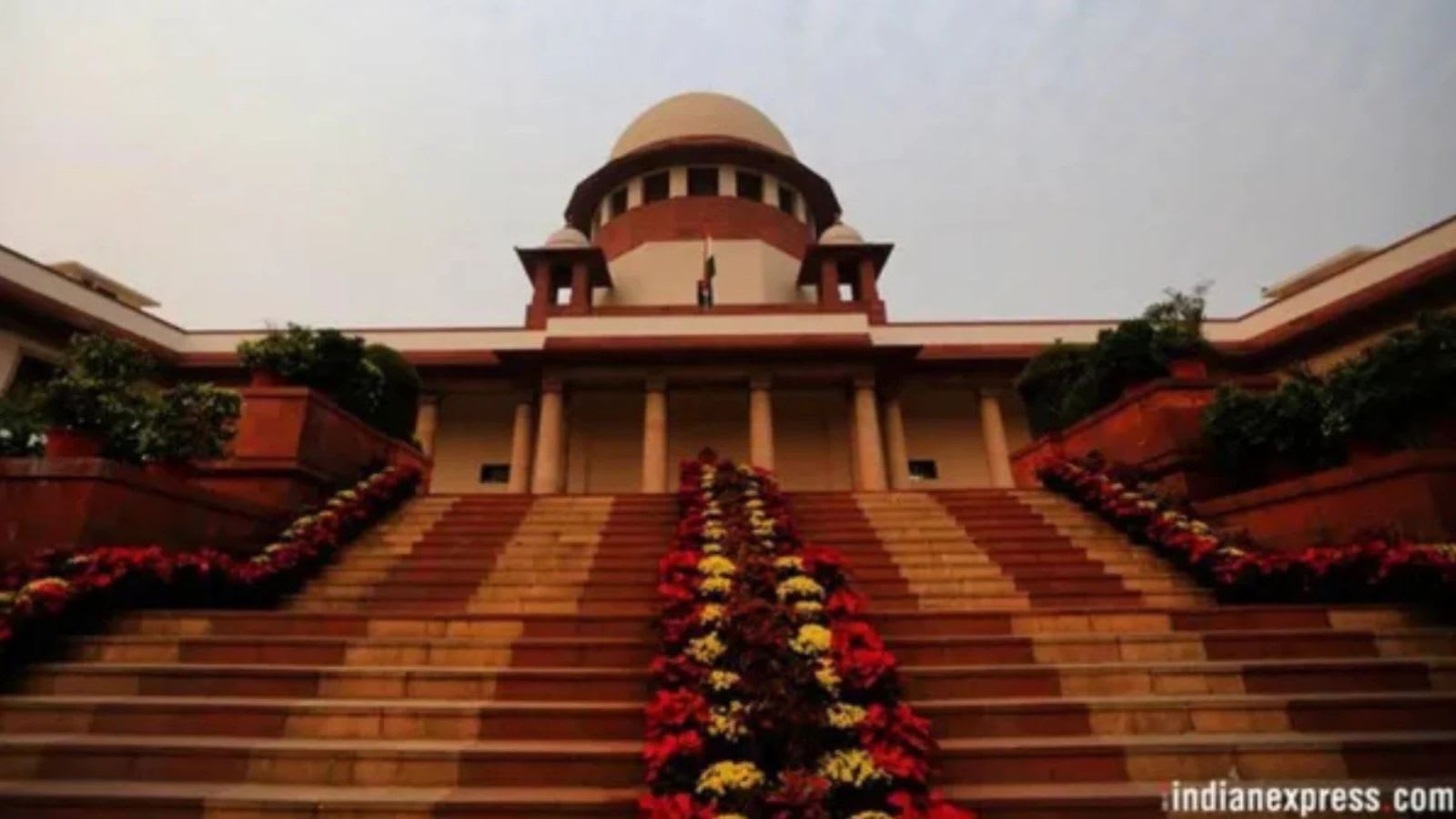
Authorities in Gautam Budh Nagar and Delhi have implemented strict security measures, including Section 163 of the BNSS, ahead of a planned Cockroach Janta Party protest. Over 35,000 security personnel are deployed, with preventive detentions of individuals with criminal records and bans on public gatherings.
Heightened Security Measures Amidst Political Unrest
In anticipation of a significant protest organized by the Cockroach Janta Party (CJP) at Jantar Mantar, authorities in both Delhi and Gautam Budh Nagar have implemented a series of stringent security measures. These actions, designed to maintain public order and prevent potential violence, reflect the growing tension surrounding the ongoing Election Commission row. The deployment of approximately 35,000 security personnel underscores the gravity with which law enforcement is treating the potential for civil unrest.
Legal Framework and Restrictions
The Gautam Budh Nagar police have invoked Section 163 of the Bharatiya Nagarik Suraksha Sanhita (BNSS), 2023, to enforce a comprehensive set of 18 restrictions that will remain in effect until October 20. These regulations explicitly prohibit unauthorized protests, public gatherings of five or more individuals in public spaces, and the storage of hazardous materials such as bricks or flammable items that could be utilized in violent confrontations. This proactive stance is rooted in the official assessment that anti-social elements may seek to exploit the protest to destabilize public order.
Preemptive Police Operations
To mitigate the risk of disruption, the Delhi Police conducted extensive overnight operations across 15 districts, resulting in the detention of at least 100 individuals with prior criminal records. These detentions are framed as preventive measures, as authorities suspect these individuals intended to participate in the CJP-led demonstration. The refusal of permission for the Jantar Mantar protest, cited by Joint Commissioner of Police Nupur Prasad as being due to late-minute applications and non-compliance with previous conditions, further highlights the strained relationship between protest organizers and city administration.
Operational Impact and Public Life
The security apparatus is not limited to mere surveillance; it involves a significant reconfiguration of the city's infrastructure. The detailed security plan for the national capital includes the strategic use of road blockades and restrictions on movement, which are expected to cause notable disruptions to metro services and the operations of various markets. By limiting accessibility, the police aim to contain the protest's footprint and ensure that the surrounding areas remain manageable under the current threat assessment.
Broader Implications and Future Trends
This sequence of events highlights a recurring trend in urban governance where political dissent is increasingly met with preemptive administrative containment. The reliance on large-scale preventive detentions and the invocation of restrictive statutes suggests a hardening of policy against high-stakes street protests. As the national discourse continues to center on the controversy involving CEC Gyanesh Kumar, the potential for future friction remains high. The outcome of these security efforts will likely set a precedent for how the state handles similar organized political movements in the near term, balancing the right to assembly against the imperative of maintaining public safety.
Multiple Citing Sources