CJP protest: Delhi HC refuses urgent listing of PIL on violent police crackdown
Source Entity
India Latest News: Top National Headlines Today & Breaking News | The Hindu
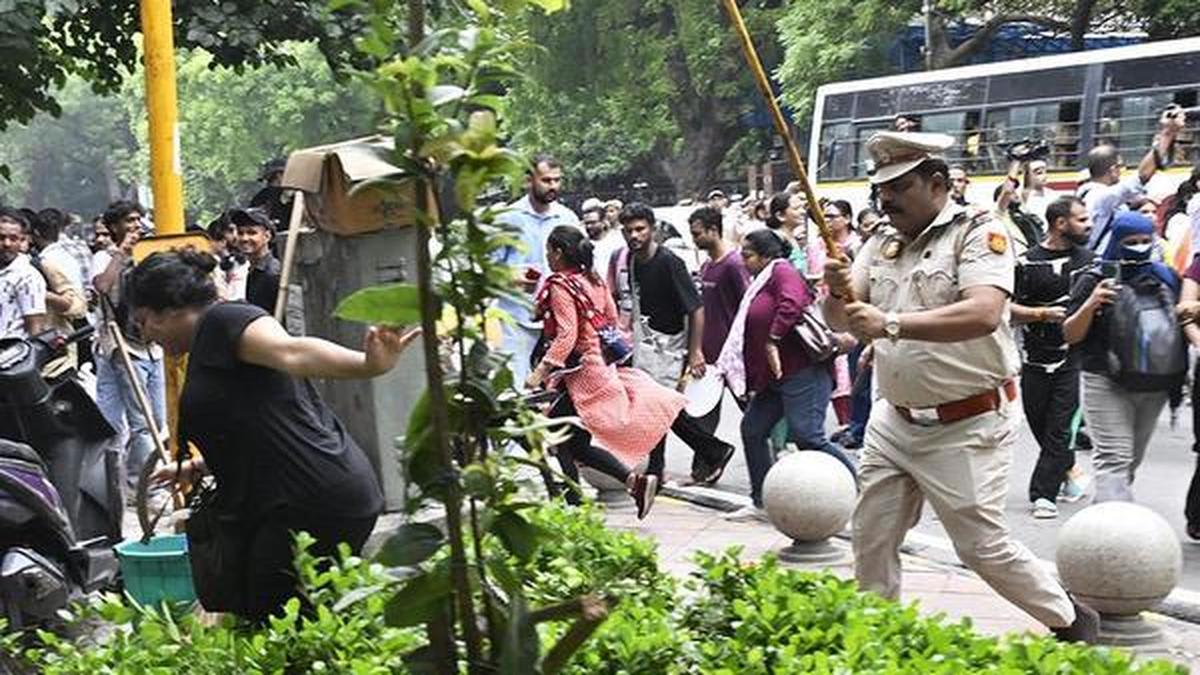
A massive protest march in Delhi led by the CJP resulted in widespread violence, leaving over 118 police personnel and 60 protesters injured. The unrest, centered on demands for the Education Minister's resignation, led to the detention of 70 individuals and the hospital transfer of activist Sonam Wangchuk.
Turmoil in the Capital: The CJP Parliament March
On a tumultuous Monday in Delhi, a march organized by the CJP (Climate and Justice Project/Coalition) toward Parliament Street spiraled into significant unrest, leaving a trail of physical injury and political tension. The protest, which began as a demonstration demanding the resignation of Education Minister Dharmendra Pradhan, escalated into a violent confrontation between participants and law enforcement, ultimately forcing protesters to seek refuge in the sacred precincts of Gurdwara Bangla Sahib.
Escalation and the Scene of Conflict
The situation on the ground was marked by the jarring sounds of ambulance sirens and the visual haze of teargas shells. As police attempted to manage the thousands gathered, the atmosphere shifted from organized dissent to chaotic skirmishes. Protesters, many of whom were seen carrying placards in support of activist Sonam Wangchuk, were subjected to a lathi-charge as they attempted to move toward their destination. The subsequent dispersal efforts led to widespread chaos, prompting a frantic retreat into the nearby gurdwara, which served as a temporary sanctuary for those caught in the crossfire.
The Human Toll and Police Account
The scale of the violence was significant, with the Delhi Police reporting that over 118 personnel—including senior officers—sustained injuries during the clashes. The official police statement alleged that protesters engaged in large-scale violence, including stone-pelting, the vandalism of government vehicles, and the destruction of public property. Conversely, the protesters reported their own injuries, with approximately 60 participants injured during the scuffles, painting a grim picture of the intensity of the engagement.
The Detention of Sonam Wangchuk
A critical development during the day's events was the removal of activist Sonam Wangchuk from the protest site. The Delhi Police confirmed that Wangchuk was shifted to Safdarjung Hospital, though the specific circumstances and the implications of his removal remain a focal point of the ongoing discourse. His involvement in the march highlights the broader thematic concerns fueling this protest, which appear to transcend the singular demand for the Education Minister’s resignation, touching on wider grievances regarding governance and policy.
Broader Implications and Future Trends
This incident highlights a growing trend of high-stakes, confrontational protests in the heart of the national capital. The breach of prohibitory orders and the subsequent aggressive response from both sides suggest a deepening divide between civil society groups and the state administration. As authorities maintain that the protesters violated lawful directions, the public sentiment—marked by mothers expressing fear for the safety of the country's youth—reflects a deepening societal anxiety. The future of such movements will likely depend on the government’s willingness to engage in dialogue versus the continued use of restrictive measures to maintain public order.
Conclusion
The events at Parliament Street signify a pivotal moment of unrest in Delhi. With 70 protesters detained and a high number of injuries reported on both sides, the aftermath of this march will likely necessitate a thorough review of protest management protocols. Whether this event acts as a catalyst for policy change or leads to further crackdowns remains to be seen, but the intensity of the day’s violence marks a significant escalation in the ongoing political struggle.
Multiple Citing Sources
Verification Required?