Amid SIR protests, Delhi Police issue body-worn cameras to frontline personnel
Source Entity
PRACHI KUMAWAT
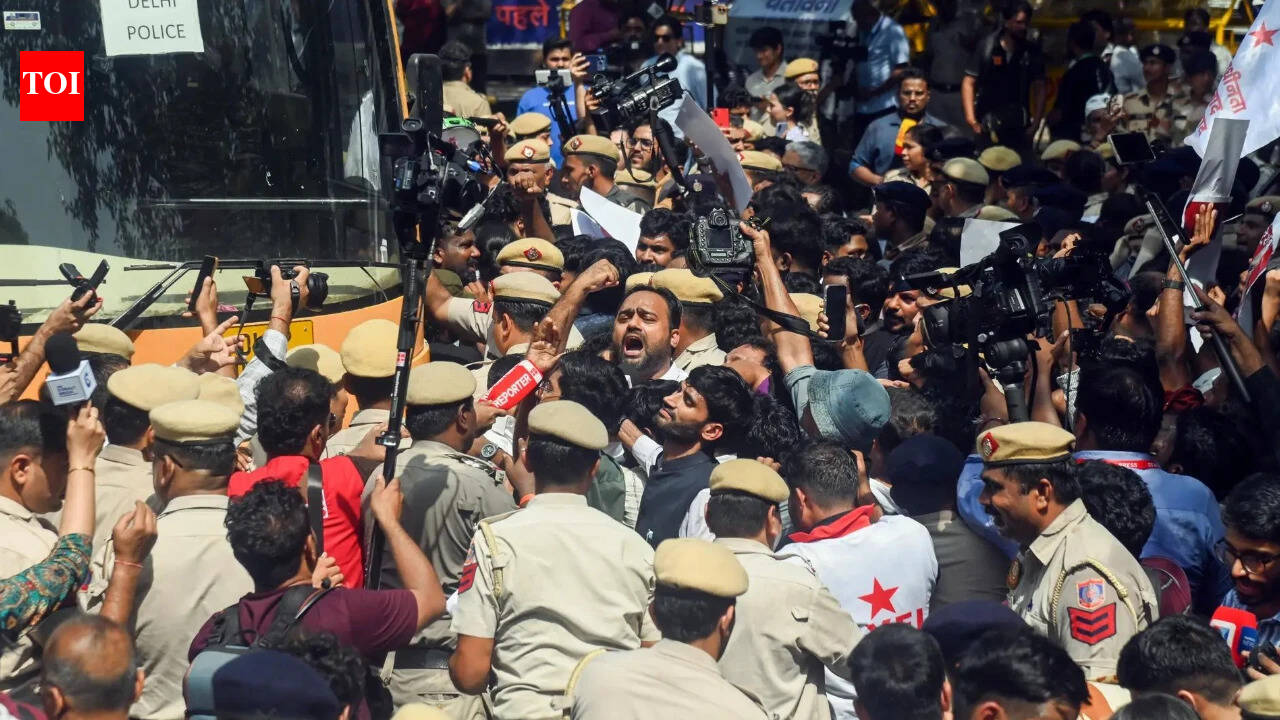
Delhi Police have introduced body-worn cameras for officers managing protests following allegations of misconduct. A PIL has been filed in the Delhi High Court to formalize these measures through standardized legal procedures.
Enhanced Surveillance and Accountability in Delhi Protests
The recent decision by the Delhi Police to equip frontline personnel with body-worn cameras marks a significant shift in the management of public demonstrations. This initiative, deployed specifically for officers tasked with crowd control near protest sites and the Election Commission of India office, serves as a technological intervention intended to bridge the trust gap between law enforcement and citizens. By capturing real-time interactions, the police aim to provide an objective, digital record of events, which is designed to mitigate conflicts and provide clarity during instances of alleged misconduct.
The Legal Push for Transparency
The deployment of these devices is not occurring in a vacuum; it follows a Public Interest Litigation (PIL) filed in the Delhi High Court. The petition calls for more than just the physical presence of cameras; it seeks a comprehensive legal framework. The petitioners are demanding that authorities establish a Standard Operating Procedure (SOP) that dictates the mandatory use of body-worn cameras for all crowd-control personnel. This legal move underscores a growing societal demand for codified accountability rather than discretionary surveillance.
Data Integrity and Forensic Value
A critical component of the ongoing legal discourse involves the lifecycle of the recorded data. The PIL explicitly requests clear, enforceable rules regarding the storage, protection, and retention period of the footage. In the context of judicial proceedings, the evidentiary value of bodycam footage is paramount. If the court mandates specific protocols for how this digital evidence is handled, it could transform how police conduct is scrutinized in Indian courts, moving from subjective eyewitness accounts to verifiable, time-stamped digital documentation.
Balancing Security and Civil Liberties
While the introduction of body-worn cameras is often viewed as a tool for transparency, it also raises complex questions regarding privacy and the potential for surveillance to suppress the right to protest. The challenge for the Delhi High Court will be to balance the police's need for an "objective record" with the rights of demonstrators. The court must determine if the presence of cameras acts as a deterrent to police excesses or if it serves as a mechanism for profiling protesters, emphasizing the need for strict, non-negotiable guidelines on the usage of these devices.
Future Implications for Law Enforcement
If the Delhi High Court rules in favor of the petitioners and mandates these procedures, it could set a national precedent for police reform in India. Adopting mandatory bodycams would represent a modernization of crowd-control tactics, moving away from traditional methods toward a technologically integrated oversight model. The long-term success of this initiative will depend on the transparency of the data management systems and the willingness of the administration to accept judicial oversight over their daily operational conduct.