Eight persons, including former chief of Manmul, arrested in ₹3 crore milk powder scam
Source Entity
India Latest News: Top National Headlines Today & Breaking News | The Hindu
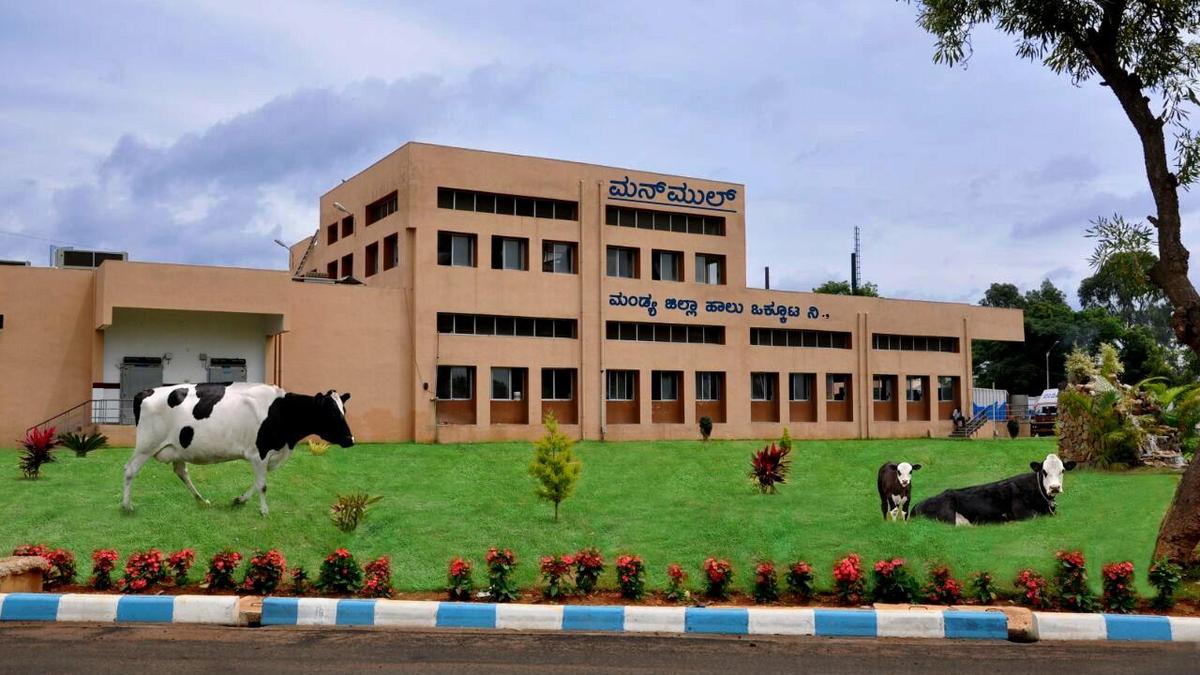
Eight individuals, including former Manmul chairman U.C. Shivakumar, were arrested for a ₹3 crore milk powder scam involving diversion and adulteration. The Mandya district police are investigating the case under the Bharatiya Nyaya Sanhita following internal complaints.
The Mandya Milk Union Scandal: Unpacking the ₹3 Crore Fraud
The recent arrest of eight individuals linked to the Mandya Milk Union Limited (Manmul) marks a significant development in the oversight of cooperative dairy sectors in India. The scandal, centered on the alleged misappropriation and adulteration of skimmed milk powder valued at approximately ₹3 crore, highlights critical vulnerabilities in the supply chain management of regional milk unions. By implicating high-ranking officials, including former chairman U.C. Shivakumar, the investigation signals a stern approach by local law enforcement to safeguard the integrity of cooperative dairy operations.
Origins of the Investigation
The investigation traces back to a formal complaint filed on August 30, 2026, by Ashwini, the Assistant Manager of the Quality Assurance Department at the Manmul facility in Gejjalagere. This internal whistleblowing was pivotal, as it identified not merely a financial discrepancy in inventory but also a alarming trend of product adulteration. By flagging the shortage of milk powder stock and the compromise of quality standards, the complaint provided the necessary evidentiary foundation for the Maddur police to initiate a criminal probe under the Bharatiya Nyaya Sanhita (BNS).
The Mechanics of the Alleged Conspiracy
At the heart of the operation was a calculated scheme of collusion. The police investigation identifies Pradeep Kumar Jadhav, a 44-year-old Purchase Officer at Manmul, as the primary operative. Jadhav allegedly leveraged his position to divert skimmed milk powder intended for the Union's legitimate distribution channels. By conniving with U.C. Shivakumar—who holds the dual distinction of being the former Chairman and a current Director—the accused were able to channel these resources to private individuals, effectively privatizing public assets for illicit gain.
Regulatory and Institutional Implications
This case underscores the broader risks inherent in cooperative structures where internal controls may be bypassed by those in leadership roles. When senior management, such as a former chairman, is accused of facilitating the diversion of essential commodities, it erodes the foundational trust of the dairy cooperative model. The involvement of the Quality Assurance department suggests that the fraud was not only a logistical theft but also a direct threat to public health, as the sale of adulterated milk products poses significant risks to the end consumer.
Future Trends and Judicial Outlook
The application of the Bharatiya Nyaya Sanhita in this case reflects the evolving legal landscape for handling white-collar crimes in India. As the Mandya district police, under the guidance of Superintendent V.J. Shobharani, continue their investigation, the focus will likely shift toward tracking the financial trails of the diverted powder and identifying the private buyers involved in the illicit trade. This case serves as a cautionary tale for cooperative unions nationwide, emphasizing the need for robust, independent, and transparent audit mechanisms to prevent the abuse of power by those entrusted with governing agricultural resources.
Verification Required?