Delhi protest: Daily wage workers prevented from reaching workplace
Source Entity
India Latest News: Top National Headlines Today & Breaking News | The Hindu
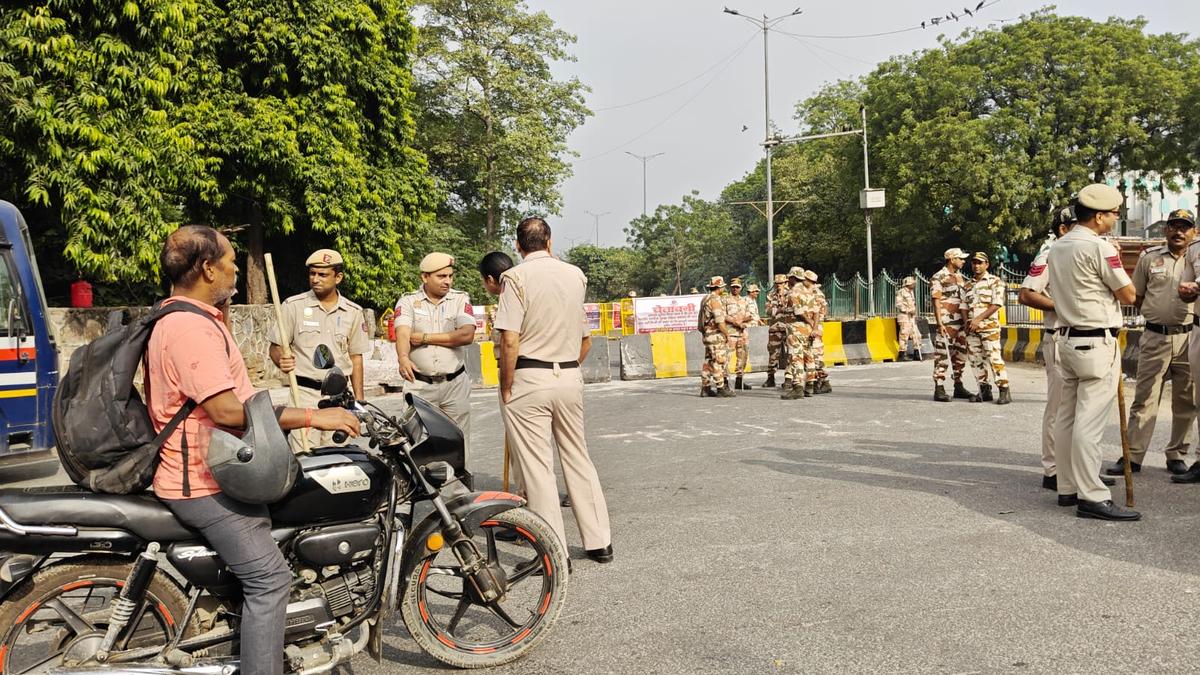
Delhi is under high-security lockdown as authorities close 45 metro stations and deploy 'Pink Force' units to manage protests. Over 400 demonstrators have been detained, causing significant disruptions for daily wage workers unable to reach their jobs.
Delhi Under Lockdown: Security Measures and Public Impact
As of October 10, 2026, the national capital of Delhi is grappling with a massive security deployment in response to planned protests. Authorities have implemented strict measures, including the closure of 45 Delhi Metro stations across the city, ranging from central hubs like Rajiv Chowk and Central Secretariat to peripheral stations. This unprecedented shutdown, which began on Friday night and is slated to continue through Saturday evening, highlights the state's efforts to curtail large-scale gatherings by effectively paralyzing the city's primary mode of public transit.
The Role of 'Pink Force' and Surveillance
Central to the security strategy is the deployment of the 'Pink Force' and the extensive use of body cameras. By integrating these specialized units with advanced surveillance technology, the Delhi police aim to maintain order while monitoring the movement of protesters. The scale of the response is underscored by the detention of over 400 individuals who were reportedly gathering for the demonstration. This proactive detention approach suggests a zero-tolerance policy toward unauthorized assemblies, signaling a hardening stance in how the administration manages civil unrest.
Economic Disruption for the Informal Sector
While the security measures focus on protesters, the collateral damage is felt most acutely by the city's informal workforce. Migrant daily wage laborers and staff employed in sectors like construction and retail—specifically in areas like Khan Market and Nizamuddin—have been barred from reaching their workplaces. Many of these workers were turned away by security personnel for failing to produce formal identity cards, a requirement that highlights the precarious nature of employment for those working in small shops or construction sites.
Personal Accounts of Restricted Movement
Reports from the ground, such as that of Devender Chauhan, illustrate the human toll of these security barricades. Despite carrying company uniforms and holding critical keys for business operations, workers are finding themselves unable to bypass police checkpoints. This creates a significant bottleneck, as businesses remain shuttered not due to choice, but due to the inability of staff to physically access their premises, further compounding the economic strain on the city's commercial hubs.
Broader Implications and Future Trends
This event reflects a growing trend in urban governance where mass protests are met with preemptive infrastructure lockdowns. By shutting down major transit arteries and utilizing identity-based entry restrictions, the authorities are prioritizing public order over urban mobility. Looking forward, these incidents suggest that the interplay between civil dissent and state security in Delhi will likely continue to rely on digital surveillance and the weaponization of public infrastructure, potentially leading to long-term changes in how urban environments are planned and secured during periods of political volatility.
Multiple Citing Sources
Verification Required?