'New Delhi modelled after new J&K': Omar Abdullah on internet curbs for CJP protest
Source Entity
AADRITA HALDER
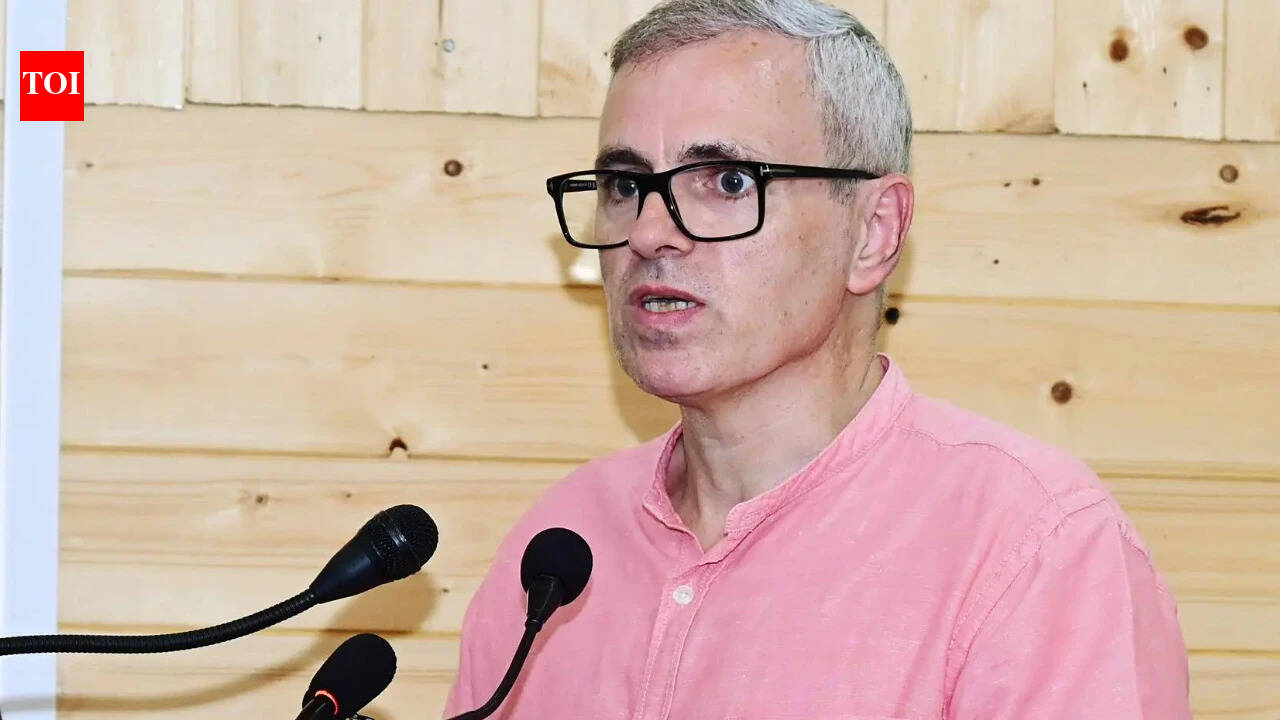
Delhi has implemented massive security measures, including the closure of 45 Metro stations and the detention of over 400 protesters. These restrictions have caused significant disruptions for daily wage workers unable to reach their jobs in areas like Khan Market.
Delhi Security Lockdown: Protests and Public Disruption
The Scale of Security Measures
On October 10, 2026, the national capital region of Delhi faced unprecedented movement restrictions due to planned protests. Authorities have deployed the 'Pink Force' and integrated body cameras as part of a high-stakes security strategy to manage the unrest. The scale of the response is evidenced by the closure of 45 Delhi Metro stations, effectively paralyzing transit across vital hubs like Rajiv Chowk, Central Secretariat, and Khan Market. This proactive shutdown reflects the administration's focus on containment and public safety during periods of heightened civil agitation.
Impact on the Informal Economy
The security apparatus has created significant collateral damage for the city's most vulnerable demographic: daily wage laborers. Reports indicate that workers in construction and retail sectors, particularly those commuting to Khan Market, were turned away at barricades in Nizamuddin. Because many of these individuals lack formal identity cards, they were unable to satisfy security personnel, resulting in lost wages and job insecurity. Personal accounts, such as that of Devender Chauhan, highlight the frustration of essential workers—carrying uniforms and keys to workplaces—being denied passage despite their clear intent to reach their employment.
Law Enforcement Strategy and Detentions
In a clear manifestation of the 'Jantar Mantar 2.0' protest containment strategy, law enforcement has been highly active in preventing the assembly of large groups. Over 400 individuals have already been detained as part of these measures. By utilizing specialized units like the Pink Force and recording interactions via body cameras, the police are maintaining a rigorous documentation process, likely intended to deter further unauthorized gatherings and provide evidence for future legal proceedings against organizers.
Broader Implications of Urban Gridlock
The decision to shutter nearly 50 metro stations—ranging from major interchanges like Kashmere Gate to suburban hubs like Rithala—is a rare and extreme measure. Such disruptions demonstrate the friction between the state's mandate to maintain law and order and the economic necessity of keeping a metropolitan capital functional. For a city that relies heavily on its metro network, these closures create a cascading effect of traffic congestion and economic stagnation that extends far beyond the immediate protest sites.
Future Trends in Protest Management
This event signals a growing trend in urban management where authorities prioritize preemptive logistical shutdowns to mitigate protest impact. By cutting off access to transit nodes and identifying protesters before they reach key landmarks, the administration is shifting from reactive crowd control to a strategy of total geographic isolation. Moving forward, citizens and businesses in Delhi may need to adapt to a reality where civil unrest triggers immediate, city-wide transit restrictions, fundamentally altering the way the capital functions during periods of political tension.
Multiple Citing Sources