Jantar Mantar out, Burari, Shahdara in. What this means for Delhi protests
Source Entity
Sakshi Chand
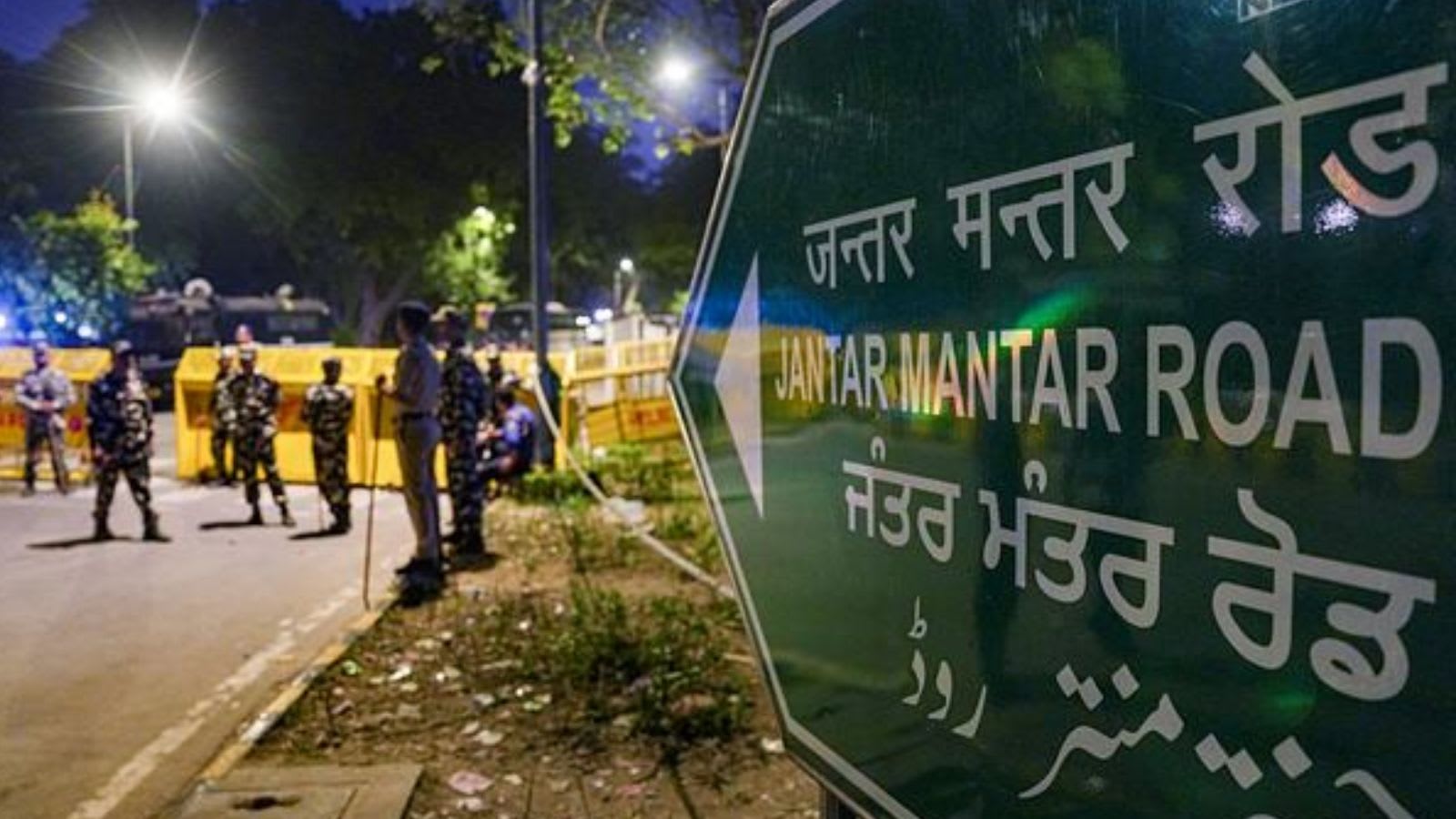
The Delhi Police have officially denotified Jantar Mantar as a protest site, relocating demonstrations to Ramlila Maidan, Burari, and Shahdara. The Delhi High Court is currently reviewing petitions challenging this decision and investigating recent reports of harassment against protesters.
The Shift in Delhi’s Protest Landscape
The landscape of democratic expression in India’s national capital is undergoing a significant transformation. The Delhi Police, through a formal standing order issued by Commissioner Anurag Kumar, have officially denotified Jantar Mantar as a designated protest site. This historic location, long considered the heart of public dissent due to its proximity to the nation’s power centers, has been replaced by three new locations: Ramlila Maidan, the Burari grounds, and the CBD ground in Shahdara.
Geographical Displacement and Its Implications
The core of the controversy lies in the physical distance between the new sites and the seat of government. Jantar Mantar sits approximately 2 km from Parliament, providing protesters with immediate visibility to policymakers. In stark contrast, the new sites are significantly more remote; Ramlila Maidan is roughly 6 km away, while the Burari site is even further removed. Critics argue that this geographical distancing effectively mutes the voice of the public by placing demonstrations outside the immediate periphery of the government’s "nerve centre."
Legal Challenges and Judicial Intervention
This administrative shift has triggered immediate legal backlash. The Delhi High Court is currently seized of the matter, with a bench comprising Acting Chief Justice Nitin Wasudeo Sambre and Justice Sanjay Sharma scheduling hearings to address the validity of the closure. The court’s involvement highlights the tension between maintaining public order and protecting the constitutional right to peaceful assembly. Furthermore, the court has acknowledged the broader context, noting that the Supreme Court is also currently reviewing aspects of this issue.
Allegations of Intimidation and Safety Concerns
Beyond the location change, the judicial proceedings are also addressing concerns regarding the safety of participants. Petitions filed by groups such as the National Students’ Union of India (NSUI) allege that "outsiders" and anti-social elements infiltrated recent protests—specifically those demanding the resignation of Chief Election Commissioner Gyanesh Kumar—resulting in the harassment of peaceful demonstrators. The High Court has agreed to hear these grievances, signaling a judicial focus on both the right to assemble and the security of those exercising that right.
The Future of Civic Dissent in Delhi
The transition to these new venues suggests a broader trend toward the formal regulation and containment of public protests in Delhi. While authorities cite security and order as the primary drivers for these changes, civil society stakeholders fear that the lack of accessible, central protest venues will erode the efficacy of public advocacy. As the legal battles continue, the outcome will likely set a precedent for how the state balances the logistical demands of a growing metropolis with the democratic necessity of accessible protest spaces.
Multiple Citing Sources