Protesters storm heart of Delhi, police use lathis and tear gas to stop march
Source Entity
Pragynesh, Sakshi Chand, Devansh Mittal, Drishti Jain, Alok Singh, Tabshir Shams, Nirbhay Thakur
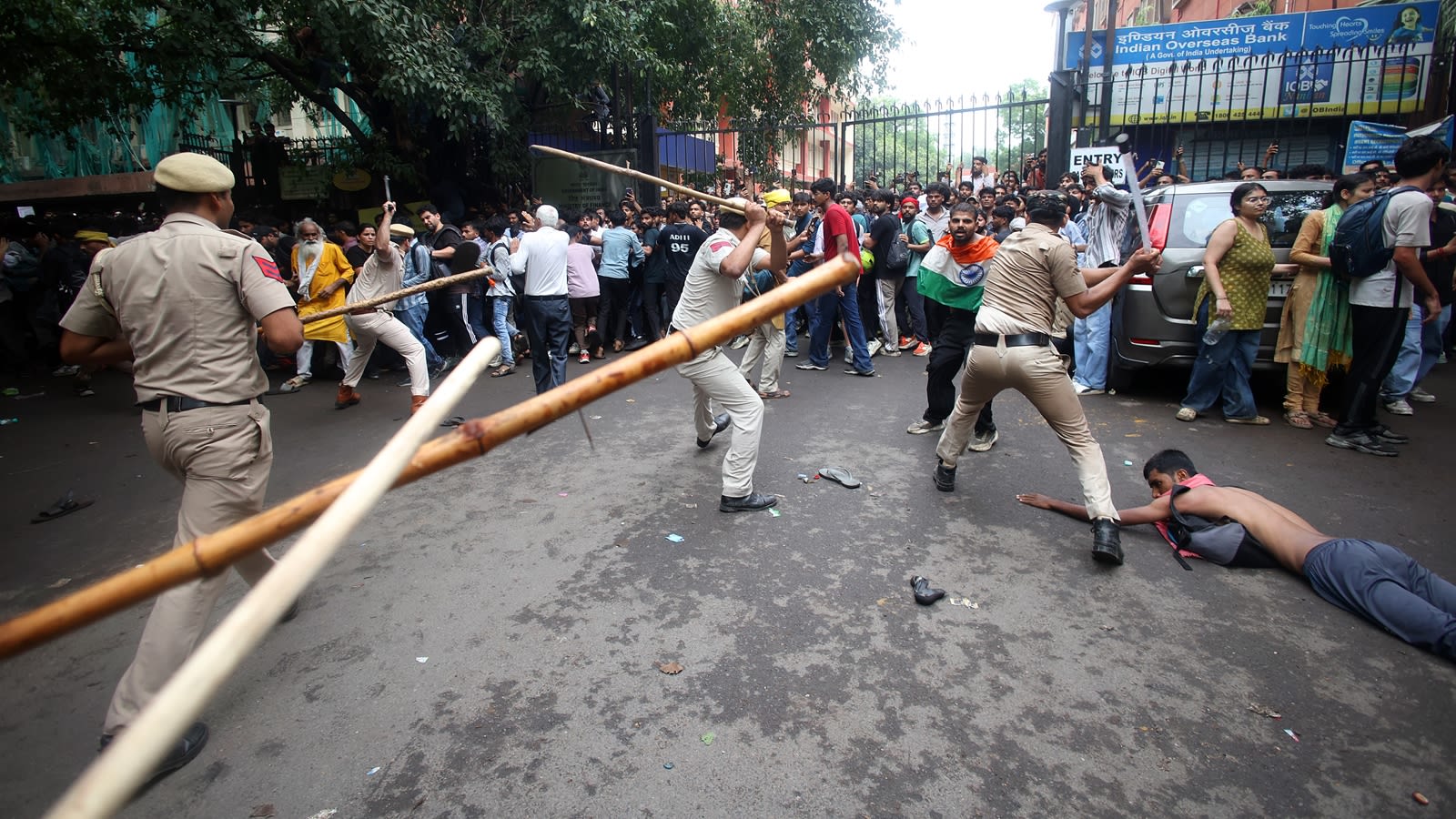
The first day of the Monsoon Session of Parliament saw significant disruptions due to protests over the NEET paper leak and other issues. Tens of thousands of protesters clashed with police in Delhi, while Opposition MPs forced multiple adjournments in both Houses.
Turmoil in the Capital: Monsoon Session Begins Amid Chaos
The Monsoon Session of Parliament, typically a period for rigorous legislative debate, commenced on July 20, 2026, under a cloud of intense political and social unrest. As lawmakers convened in New Delhi, the streets surrounding the legislative complex transformed into a theater of confrontation. Tens of thousands of demonstrators, primarily organized under the banner of the Cockroach Janta Party (CJP), descended upon Lutyens’s Delhi to demand the resignation of Union Education Minister Dharmendra Pradhan.
The NEET Crisis and Public Outcry
At the heart of the protests lies the mounting fury over the alleged NEET paper leak and broader irregularities within the CBSE examination system. The scale of the mobilization—estimated at over 50,000 participants—indicates a deep-seated frustration among the youth regarding educational integrity and future prospects. This public outcry mirrored the atmosphere inside Parliament, where Opposition parties, including the Congress, SP, and Trinamool Congress, paralyzed proceedings by trooping into the Well of the House to highlight the same concerns.
Security Response and Civil Unrest
The New Delhi police district experienced unprecedented pressure as protesters attempted to breach barricades at strategic locations, including Ashoka Road, Janpath, and Raisina Road. Law enforcement agencies utilized lathicharges, tear gas, and water cannons to disperse the surging crowds. These clashes resulted in scores of injuries, underscoring the precarious security situation as the government attempted to conduct business as usual within the fortified Parliament complex.
Legislative Stagnation and Parliamentary Disruptions
Inside the chambers, the political fallout was immediate. The Lok Sabha was adjourned six times throughout the day before being called off at 3 p.m. While the Opposition focused on the NEET controversy and allegations regarding the theft of donations at the Ayodhya Ram Temple, the DMK simultaneously raised the Mekedatu project issue. These competing agendas effectively brought legislative work to a standstill, with the only notable action being the introduction of a Bill by Law Minister Arjun Ram Meghwal to increase the number of Supreme Court judges from 34 to 38.
Broader Implications and Future Trends
The events of July 20 demonstrate a growing trend where street-level mobilization directly dictates the pace of parliamentary activity. The synergy between external protests and internal Opposition tactics suggests that the remainder of the Monsoon Session may continue to be marked by volatility. As the government attempts to address structural issues—such as the judiciary's capacity—the persistent demands for ministerial accountability regarding exam integrity threaten to overshadow the legislative agenda, indicating a challenging road ahead for the ruling administration.
Multiple Citing Sources