Jantar Mantar protest : Delhi police issues traffic curbs at 30 locations; Read to check the full list
Source Entity
India Latest News: Top National Headlines Today & Breaking News | The Hindu
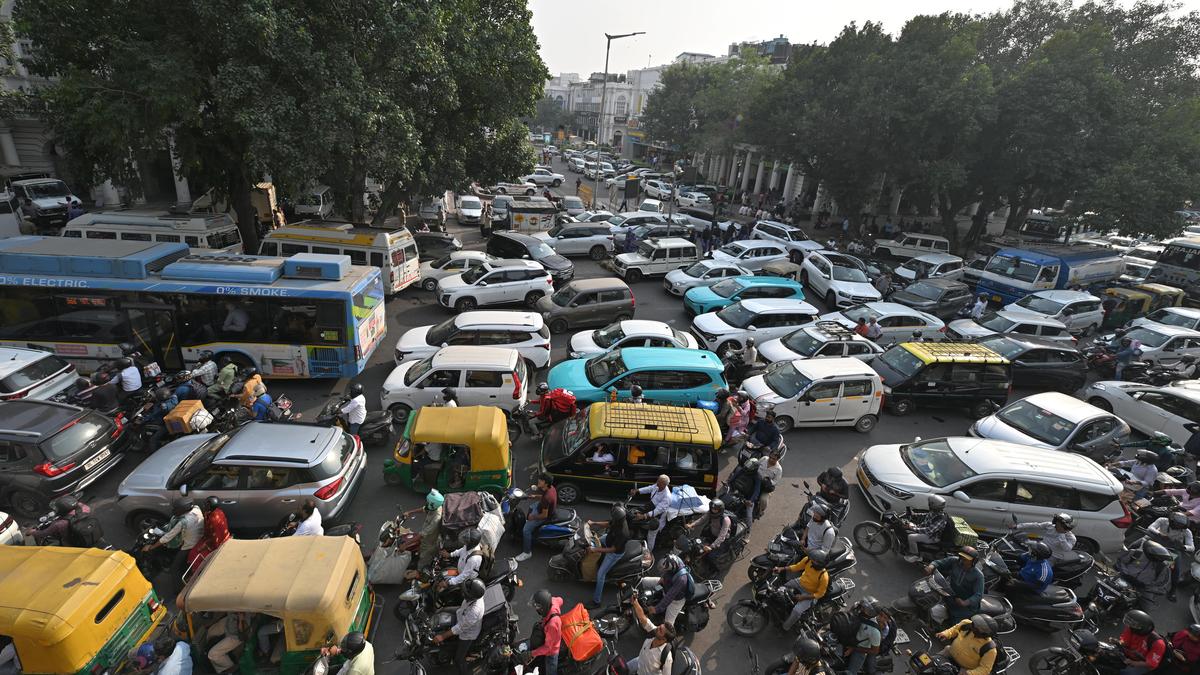
Delhi authorities have implemented massive security measures, including the closure of 45 Metro stations and road blockades, to manage protests at Jantar Mantar. Over 400 individuals have been detained as police deploy tear gas and specialized units to maintain order.
Delhi Security Lockdown Amid Widespread Protests
Unprecedented Security Measures in the Capital
The city of Delhi has entered a state of heightened alert as authorities move to contain protests centered around the Jantar Mantar area. In a massive logistical undertaking, officials have shuttered 45 Delhi Metro stations, effectively severing transit links across central and key transit hubs. This preemptive shutdown, spanning from Friday night through Saturday evening, highlights the severity with which the administration views the threat of civil unrest, aiming to curtail the movement of demonstrators arriving from the National Capital Region (NCR).
The Logistics of Crowd Control
The security apparatus has deployed a multi-layered strategy to manage the influx of individuals. Police and specialized security forces have established a wide net across New Delhi, focusing on critical arteries such as Janpath and Ashoka Road. The deployment of the 'Pink Force' and the usage of body cameras signal a shift toward high-surveillance policing. Furthermore, the presence of officials equipped with tear gas munitions during early morning debriefings underscores the readiness of law enforcement to utilize force should the situation escalate beyond the current containment efforts.
Detentions and Early Disruptions
Despite the rigorous blockade, early-bird protesters from regions like Gurugram and Faridabad successfully navigated to the Ashoka Road entrance of the protest site. However, the efficacy of the police dragnet was immediate, with authorities reporting that over 400 people have already been detained. By 9 a.m., security personnel were actively removing individuals from the vicinity, boarding them onto transport buses to clear the perimeter and prevent the consolidation of large, unmanageable crowds.
Broader Implications for Civic Discourse
The closure of 45 major stations—including central hubs like Rajiv Chowk, Mandi House, and Central Secretariat—represents a significant disruption to daily life for millions of Delhi residents. This move reflects a broader tension between the right to assemble and the state's mandate to maintain public order. By effectively creating a 'no-go' zone in the heart of the capital, the administration is signaling a zero-tolerance policy toward unauthorized gatherings, a trend that has become increasingly common in managing high-stakes political demonstrations.
Future Trends in Urban Security
The use of comprehensive Metro shutdowns and strategic road closures suggests a evolving template for how Delhi handles large-scale protests. As urban centers become more interconnected via mass transit, the ability to 'switch off' city infrastructure has become a primary tool for security agencies. Moving forward, citizens and organizers should expect more agile, technology-driven responses from police, characterized by pre-emptive surveillance and rapid deployment of containment forces to neutralize protest momentum before it can reach critical mass.
Multiple Citing Sources
Verification Required?