Delhi protest: Mamata Banerjee and other Trinamool Congress leaders detained from South Avenue bus stop
Source Entity
India Latest News: Top National Headlines Today & Breaking News | The Hindu
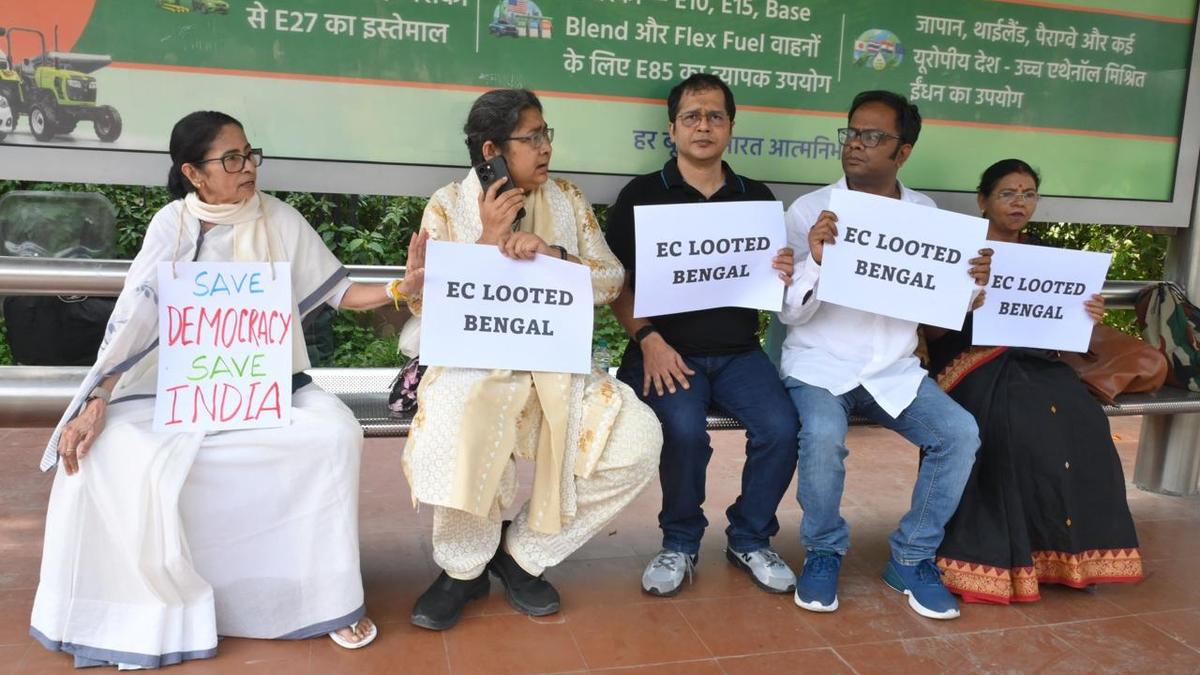
Delhi has implemented severe security measures, including the closure of 45 metro stations and mass detentions, to manage protests. These restrictions have significantly disrupted the livelihoods of daily wage workers unable to reach their workplaces.
Delhi Implements Massive Security Lockdown Amid Protests
As the national capital braces for the 'Jantar Mantar 2.0' protest, authorities have initiated an unprecedented security clampdown across Delhi. The administration has shuttered 45 Delhi Metro stations, effectively paralyzing a significant portion of the city's public transit network to prevent demonstrators from congregating. This operational shutdown, spanning from Friday night through Saturday evening, reflects a growing trend in urban crisis management where transit infrastructure is restricted to maintain public order during periods of civil unrest.
The Impact on Daily Wage Laborers
The ripple effects of these security measures have hit the most vulnerable populations the hardest. Reports indicate that migrant daily wage laborers and staff working in commercial hubs like Khan Market have been systematically prevented from reaching their workplaces. At barricade points such as Nizamuddin, workers who lack formal identity documentation are being turned away by security personnel. This has created a precarious situation for individuals who rely on daily earnings, as they find themselves unable to prove their employment status to authorities in an environment of heightened surveillance.
Security Protocols and Mass Detentions
Central to the state's security strategy is the deployment of the 'Pink Force' and the widespread utilization of body cameras to monitor and manage the crowds. The police presence is extensive, with over 400 individuals already detained in connection with the gathering. These measures underscore a proactive approach to containment, aiming to preemptively neutralize potential disruptions before they escalate into larger civil disturbances. The use of body cameras serves as both a deterrent and a tool for evidence collection in the event of legal proceedings against protesters.
Challenges for the Workforce
Individual accounts highlight the logistical breakdown caused by these restrictions. For instance, workers carrying crucial access keys for businesses or wearing company uniforms are still being denied passage, illustrating the rigid nature of the current security protocols. Devender Chauhan, a resident stopped at the Nizamuddin barricade, noted the frustration of being unable to access his workplace despite clear evidence of his employment. Such incidents suggest that the current security measures are prioritizing total containment over the nuanced needs of the local economy.
Broader Implications and Future Trends
This event highlights a recurring tension in Delhi’s governance: the balance between ensuring public safety and maintaining the functionality of the city's infrastructure. The scale of the metro shutdown and the strict enforcement at barricades suggest a shift toward more restrictive protest management strategies. Moving forward, the city may face increased criticism regarding the socioeconomic impact of such blanket measures, particularly concerning the rights of migrant workers and the operational sustainability of small-scale businesses during periods of civil agitation. As these protests continue, the reliance on technological surveillance and widespread transit bans is likely to remain a contentious focal point for public discourse.
Multiple Citing Sources
Verification Required?