Nearly 5 lakh families in Delhi to get permanent homes under new slum rehab policy
Source Entity
Alok Singh
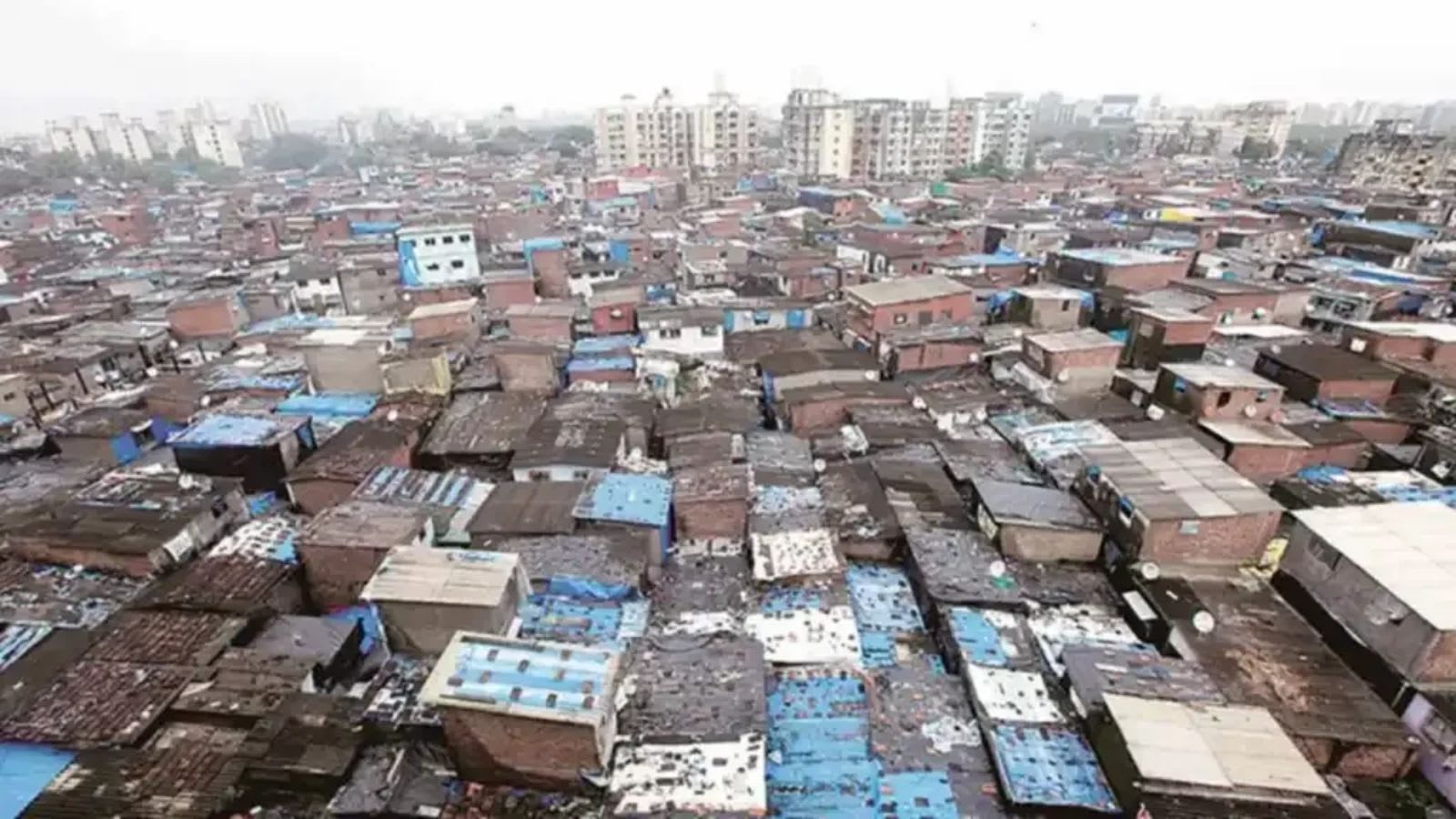
The Delhi government has notified a new rehabilitation policy to provide permanent housing for nearly 5 lakh families residing in slum clusters. The initiative prioritizes keeping residents within a 3-km radius of their current locations to ensure continuity in employment and education.
Delhi’s Strategic Shift in Urban Housing
The Delhi government’s recent notification of the 'Delhi Slum and Jhuggi Jhopri Relocation and Rehabilitation Policy, 2026' marks a significant turning point in the capital's approach to urban development. By targeting nearly five lakh families—impacting approximately 20 lakh residents—this policy addresses the long-standing challenges of informal settlements. Unlike past initiatives that often resulted in forced displacement to the city's outskirts, this framework emphasizes the necessity of social and economic continuity for vulnerable populations.
Prioritizing Proximity and Livelihood Stability
A core pillar of the new policy is the mandate to rehouse families either at their existing locations or within a 3-km radius. This is a crucial departure from historical models that severed residents from their established networks. By keeping families close to their workplaces, children’s schools, and essential community facilities, the government aims to prevent the economic shock often associated with relocation. This proximity-based approach recognizes that the informal sector is the backbone of Delhi’s labor force, and housing stability is inextricably linked to economic productivity.
Defining Eligibility and Scope
The policy sets clear administrative boundaries by extending eligibility to families living in slum settlements established before January 1, 2025. This cutoff date serves as a strategic instrument to manage the influx of migration and urban expansion while providing a concrete path to legalization for long-term residents. By formalizing the housing status of these families, the state is effectively integrating a massive segment of the population into the formal urban infrastructure, which is essential for systematic city planning.
Addressing the Urban Housing Gap
Historically, Delhi has struggled with the 'slum-to-apartment' transition due to land scarcity and bureaucratic hurdles. This policy attempts to bridge that gap by creating a more structured, legally backed mechanism for rehabilitation. If implemented successfully, it could serve as a model for other rapidly urbanizing Indian cities facing similar demographic pressures. The scale of the project—impacting 20 lakh people—suggests a massive logistical undertaking that will require significant inter-departmental coordination to ensure that the quality of new housing matches the promise of the policy.
Future Implications and Urban Integration
As the policy enters the implementation phase, the focus will shift toward the quality of the new housing units and the infrastructure provided within these developments. The long-term success of this initiative will depend on whether the rehabilitated areas are equipped with adequate sanitation, electricity, and water supply. Furthermore, by transitioning slum dwellers into permanent housing, the government is likely aiming to improve public health outcomes and reduce the environmental hazards associated with dense, unplanned settlements. Ultimately, this policy represents a proactive effort to modernize Delhi's urban landscape while maintaining social equity.