After Rahul Gandhi, Delhi Traders Turn To His Allies Over November 1 Rally
Source Entity
NDTV News Search Records Found 1000
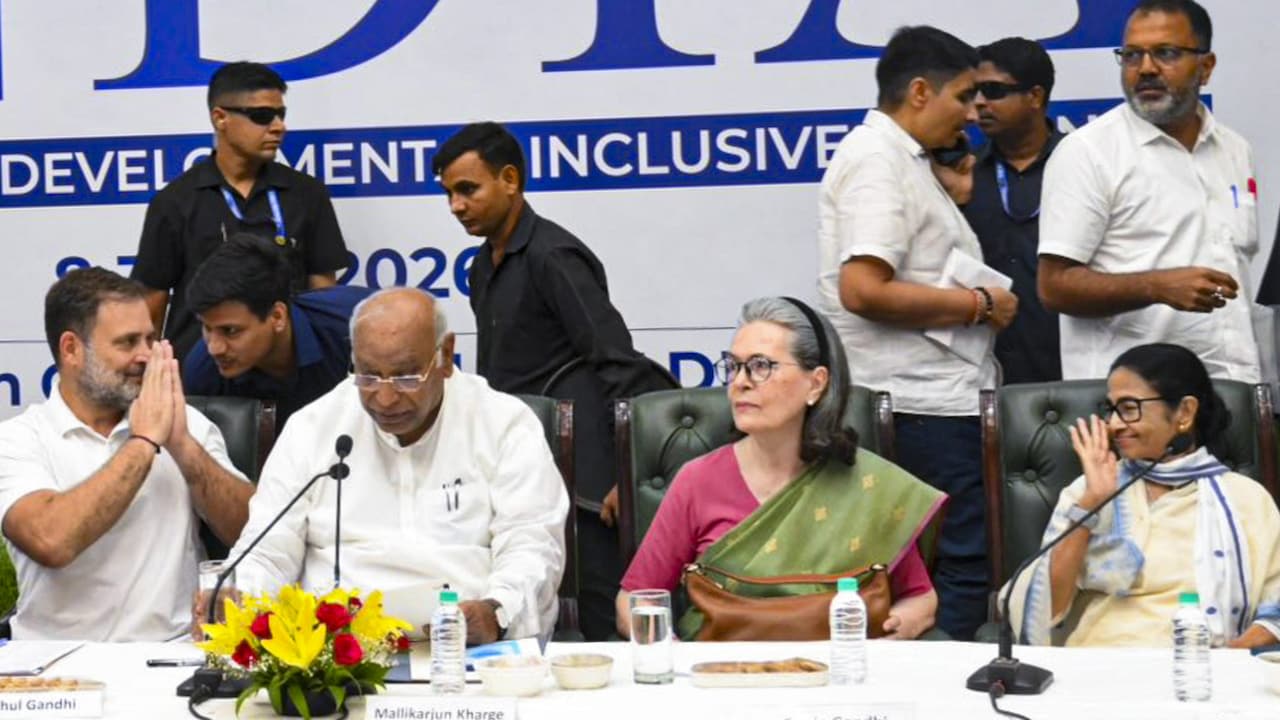
Delhi traders are engaging with political allies following Rahul Gandhi's rally, specifically voicing concerns over the lack of parking at Ramlila Maidan. This move highlights the growing influence of trade bodies in urban infrastructure planning for major political events.
Shifting Political Engagement: Delhi Traders and the Ramlila Maidan Rally
Recent developments in Delhi’s political landscape have seen a notable shift as local trade organizations pivot their focus toward allies of Congress leader Rahul Gandhi. Following the recent political activities surrounding the November 1 rally at the historic Ramlila Maidan, traders have signaled a move to engage directly with coalition partners to address logistical grievances. This shift suggests that trade bodies are becoming increasingly strategic in navigating political channels to ensure their operational concerns are heard by those with the leverage to influence city management.
The Infrastructure Challenge at Ramlila Maidan
The core of the traders' frustration lies in the severe lack of parking facilities at Ramlila Maidan, a venue frequently used for major political demonstrations and rallies. As one of Delhi’s most prominent public grounds, the venue often struggles to accommodate the massive influx of vehicles associated with large-scale political events. For traders operating in the vicinity, this lack of infrastructure creates significant disruptions to daily commerce, leading to traffic congestion and a loss of foot traffic for established businesses.
Strategic Advocacy and Political Allies
By turning to Rahul Gandhi’s political allies, the traders are signaling a desire for more effective representation in municipal and state infrastructure discussions. It is evident that the trade body views these allies as conduits for policy pressure, aiming to secure better urban planning that balances the city’s need for political expression with the economic necessity of functional commercial hubs. This move represents a sophisticated approach to advocacy, moving beyond simple complaints to active engagement with political stakeholders who hold influence over Delhi’s administrative machinery.
Historical Context of Urban Rallies
Ramlila Maidan has long served as the epicenter of India’s political discourse, hosting historic movements and rallies for decades. However, the urban sprawl and the rising density of Delhi’s commercial districts have made the venue's traditional infrastructure increasingly inadequate. The current tension between the traders' needs and the political utility of the grounds reflects a broader tension in urban planning where heritage sites are forced to bear the weight of modern political mobilization without the necessary upgrades to support local business ecosystems.
Future Implications and Trends
Looking ahead, this trend of trade organizations aligning with specific political factions to address infrastructure hurdles is likely to intensify. If the lack of parking at Ramlila Maidan remains unaddressed, it may force a re-evaluation of how and where large rallies are hosted in the capital. Political parties may eventually be required to provide more comprehensive logistical plans—including dedicated parking solutions—to maintain the support of the influential business community, ensuring that their rallies do not come at the expense of the city's economic vitality.
Verification Required?