Delhi University’s new academic session begins
Source Entity
India Latest News: Top National Headlines Today & Breaking News | The Hindu
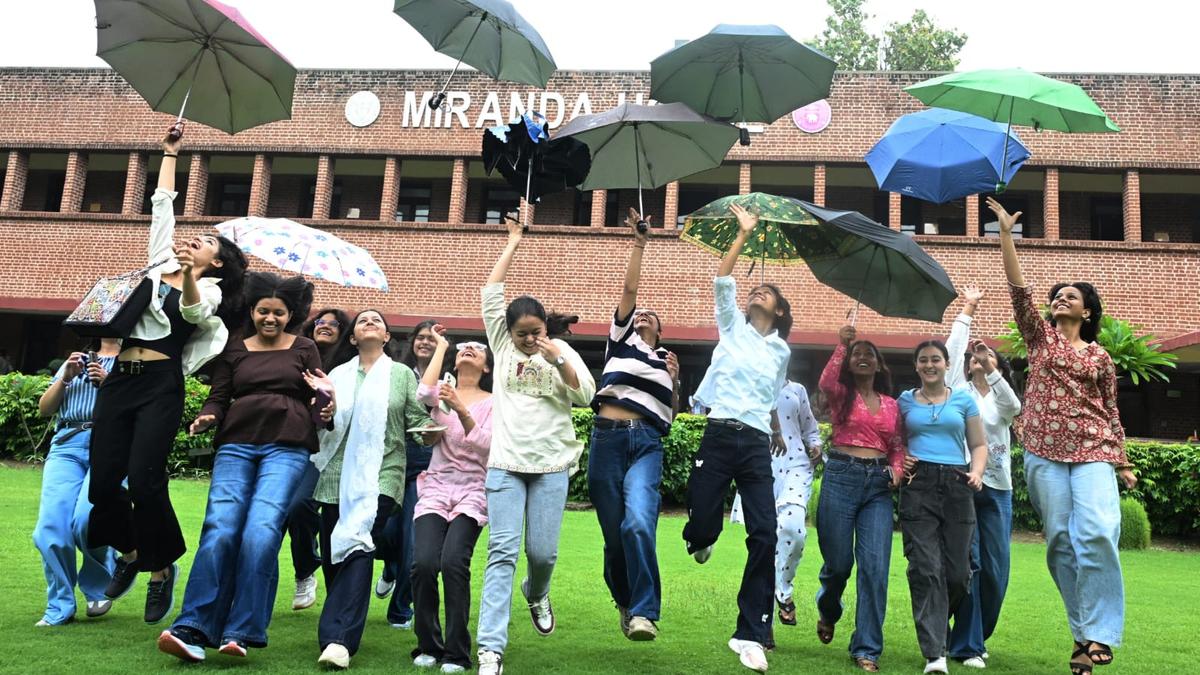
Delhi University has officially commenced its new academic session for 2026, welcoming freshers with orientation programs. While classes begin, the university continues to manage the second round of undergraduate admissions via the CSAS portal.
Delhi University Commences 2026 Academic Session
Delhi University (DU) officially opened its gates for the 2026 academic session on Tuesday, July 28, 2026. This milestone marks the beginning of a transformative journey for thousands of undergraduate students as they transition into campus life. Colleges across the university have initiated the process with dedicated orientation and induction programs designed to acclimate freshers to academic procedures, campus infrastructure, and essential student support services.
Navigating the CSAS Admission Landscape
Despite the commencement of the academic term, the administrative machinery of the university remains in high gear. The second round of admissions under the Common Seat Allocation System (CSAS) is currently in progress. This centralized mechanism is critical for managing the high volume of applicants, allowing students to accept newly allotted or upgraded seats. University authorities have issued a clear advisory for students to complete their fee payments promptly, a crucial step to finalize their enrollment and ensure a seamless entry into their respective departments.
Bridging the Generation Gap: The 'Cool Guru' Approach
A notable highlight of this year’s induction is the evolving dynamic between faculty and students. At prestigious institutions like Miranda House, St. Stephen’s, Lady Shri Ram College (LSR), and Kirori Mal College, the atmosphere has shifted toward a more collaborative and empathetic model. Dinesh Khattar, Principal of Kirori Mal College, emphasized that the modern pedagogical approach involves faculty members positioning themselves as mentors and friends rather than traditional authority figures. This shift is particularly relevant as colleges adapt to the unique communication styles and high engagement levels of Gen Z students.
Cultural Integration and Campus Life
The timing of the orientation—occurring just a day before Guru Purnima—adds a layer of cultural significance to the start of the session. The transition from the high-pressure environment of entrance examinations to the intellectual freedom of university life is being facilitated through department-wise orientation sessions. These smaller gatherings are essential for fostering a sense of community, allowing students to express their opinions and engage deeply with the academic culture of their chosen disciplines.
Future Trends and Administrative Challenges
Looking ahead, the success of the 2026 academic year will depend on how effectively the university balances the ongoing admission cycles with the demands of classroom learning. The dual-track approach of welcoming freshers while simultaneously processing seat upgrades reflects the complexity of managing one of India's largest central universities. By prioritizing student-centric support services and maintaining fluid communication between administration and the student body, Delhi University aims to mitigate the stress associated with the transition to higher education.
Conclusion
As the academic year gains momentum, the blend of traditional values and modern, student-friendly teaching methodologies sets a promising tone for the batch of 2026. With the CSAS process nearing completion and orientation programs in full swing, Delhi University continues to reinforce its position as a central hub for academic excellence in India. The emphasis on fostering a supportive, 'friend-like' relationship between staff and students is a clear indicator of the university's commitment to adapting to the changing needs of the modern learner.
Multiple Citing Sources
Verification Required?