Over 75 Lakh Voter Verification Forms Digitised Under SIR In Delhi
Source Entity
NDTV News Search Records Found 1000
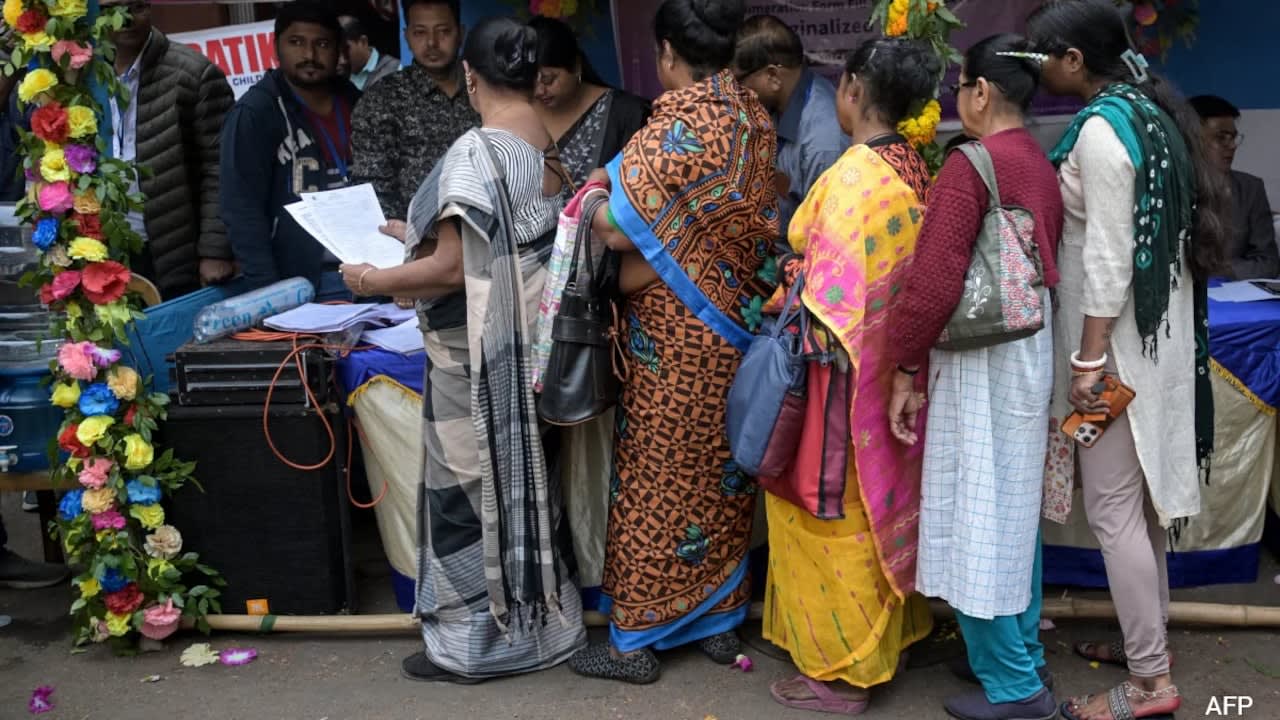
Delhi has successfully digitized over 7.5 million voter verification forms through the System Integration and Reconciliation (SIR) process. While progress is significant, the South East district lags behind with only a 38.51% completion rate.
Advancing Electoral Integrity Through Digital Transformation
The recent initiative to digitize voter verification forms in Delhi marks a significant milestone in the modernization of India's electoral infrastructure. By processing over 75 lakh (7.5 million) forms under the System Integration and Reconciliation (SIR) framework, the Election Commission is taking concrete steps toward creating a more transparent and efficient electoral roll. This transition from physical, paper-based records to a centralized digital database is essential for minimizing clerical errors, reducing duplicate entries, and ensuring that the democratic process remains robust and verifiable.
The Mechanics of the SIR Process
The SIR (System Integration and Reconciliation) process serves as the backbone of this administrative overhaul. By digitizing these records, authorities aim to streamline the verification process, allowing for real-time updates and more accurate data management. This technological shift is not merely about storage; it is about accessibility and reliability. A digital ecosystem allows for faster processing of voter applications, quicker resolution of discrepancies, and a more responsive system that can adapt to the shifting demographics of a bustling metropolitan area like Delhi.
Disparities in Implementation: The South East Challenge
Despite the overarching success of the initiative, the data reveals a notable bottleneck within the South East district, which currently reports the lowest digitization rate at just 38.51 per cent. This disparity highlights the logistical challenges inherent in implementing large-scale bureaucratic reforms across diverse urban landscapes. Factors such as administrative capacity, local staff training, and the condition of legacy paper records likely contribute to this lag, indicating that a uniform rollout is often hindered by localized operational hurdles.
Historical Context and Broader Implications
Historically, electoral rolls in India have been prone to challenges related to outdated information and physical record management. The shift toward digitization is part of a broader national trend to align Indian administrative services with 21st-century technological standards. As the capital, Delhi serves as a critical pilot for these systems; the success or failure of this digitization project will likely inform how the Election Commission scales these tools to other states and union territories, ultimately aiming for a unified, national-level digital electoral registry.
Future Trends and Strategic Outlook
Looking ahead, the focus must shift toward closing the performance gap in districts like South East. To achieve a 100 per cent digitization goal, authorities will likely need to deploy targeted resources, additional training, and perhaps specialized teams to handle the remaining backlog in lagging regions. As the digitization process nears completion, the next logical step will be the integration of these records with other identity-based databases, further enhancing the security and integrity of the Indian voting system.
Conclusion
In summary, while the digitization of over 75 lakh voter forms is a commendable achievement for Delhi's electoral administration, the work is far from finished. Addressing the 38.51 per cent completion rate in the South East district remains a critical priority to ensure that the benefits of this digital transformation are felt equitably across all regions. By overcoming these regional discrepancies, the Election Commission will solidify its commitment to a more accurate and modern democratic framework.
Verification Required?