4.76 million names dropped from Delhi voter rolls, but just 250,000 Form 6 applications filed
Source Entity
Latest News: Todays Latest News Headlines from India & World | Hindustan Times | Hindustan Times
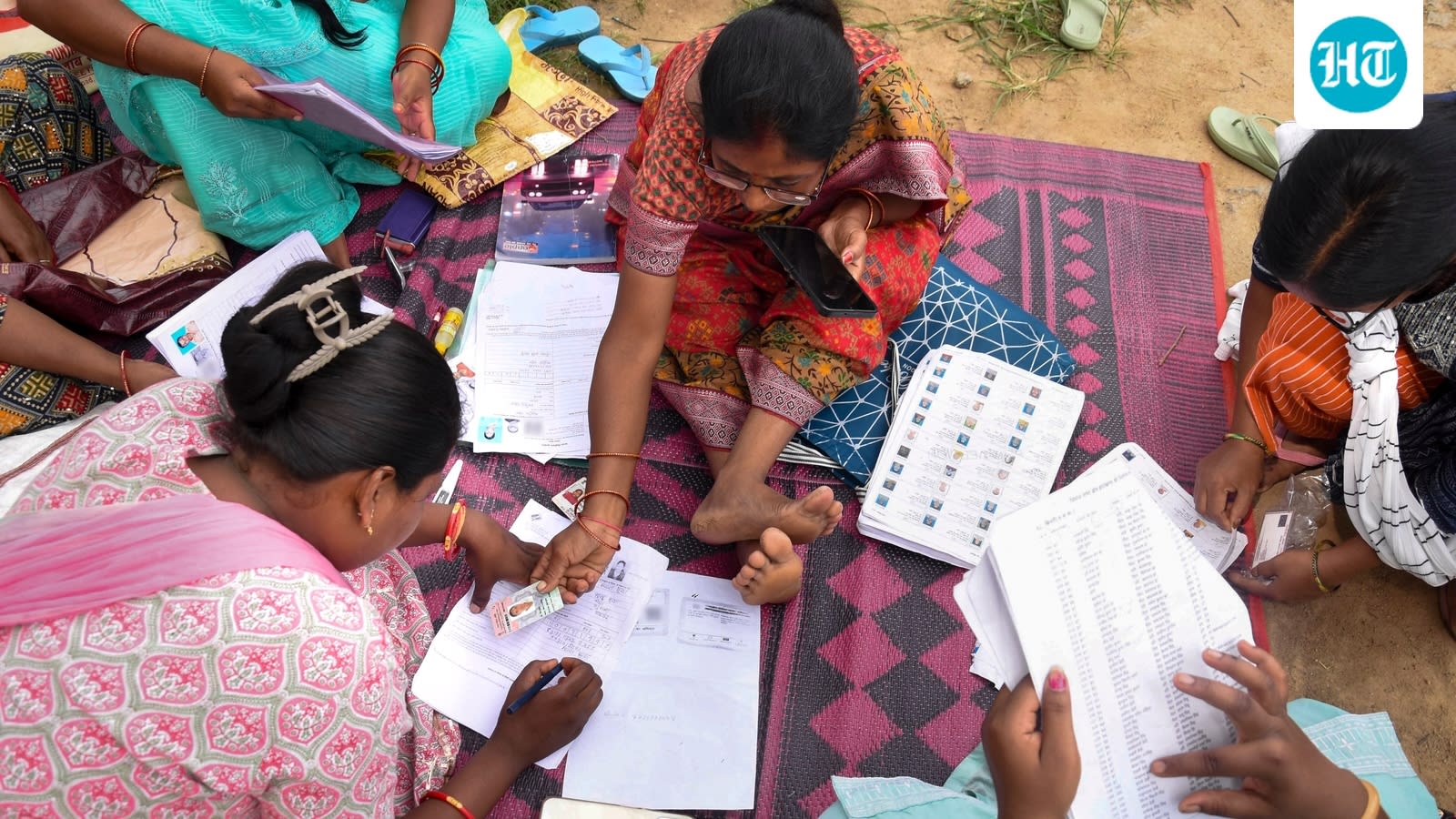
Delhi's electoral rolls have seen a massive reduction of 4.76 million names, with only 250,754 new applications filed despite extensive special outreach camps. Election officials are now working to verify remaining flagged voters to ensure the integrity of the final electoral lists.
The Massive Contraction of Delhi's Electoral Rolls
The recent disclosure regarding the deletion of 4.76 million names from Delhi’s electoral rolls marks a significant shift in the capital's voter database. This drastic reduction, occurring alongside a relatively modest influx of 250,754 Form 6 applications, highlights a period of intense administrative scrutiny aimed at cleaning up voter lists. The disconnect between the millions removed and the thousands added suggests a rigorous, perhaps unprecedented, effort by the Election Commission of India (ECI) to reconcile discrepancies in the registry.
The Mechanics of the Revision Process
Between August 31 and October 22, the electoral machinery was tasked with addressing massive data gaps. The CEO’s office indicated that 3.3 million voters had been flagged due to missing links to the 2002 base roll or due to identified logical discrepancies. Of these, 2.95 million cases were resolved, allowing those individuals to remain on the rolls unless challenged via Form 7. This resolution process is fundamental to maintaining the sanctity of democratic participation, ensuring that the register reflects current residency and eligibility rather than legacy data.
The Impact of Special Outreach Camps
In an attempt to mitigate the impact of these deletions and encourage voter participation, the ECI organized approximately 89,000 special camps across Delhi. Despite these efforts, the number of Form 6 applications received between September 20 and October 22 stood at just 158,470. This low conversion rate—where the number of new registrations fails to offset the millions of deletions—raises questions about voter awareness or the accessibility of the re-registration process for those whose names were removed.
Challenges in Voter Retention
Historical context suggests that large-scale deletions often stem from migration, death, or duplicate entries. However, when the scale reaches nearly 5 million names, the administrative burden on both the state and the citizen increases exponentially. The reliance on Form 6 and Form 7 submissions places the onus of proof on the voter, which can lead to legitimate voters being disenfranchised if they are unaware of their status or the procedural requirements for re-enrollment.
Future Trends and Electoral Integrity
Looking forward, the focus will shift to the vetting process for those still under scrutiny. The ECI’s commitment to holding special camps indicates a desire to bridge the gap, but the current data shows a significant demographic shift in the voter base. As the final rolls are prepared, the primary challenge for the CEO’s office will be balancing the need for a 'clean' electoral list against the necessity of ensuring that no eligible citizen is systematically excluded due to bureaucratic barriers.
Conclusion
The current state of Delhi’s voter rolls reflects a complex administrative overhaul. While the cleanup of 3.3 million flagged entries is a technical victory for data accuracy, the low uptake in new registrations poses a risk to electoral inclusivity. The success of these revisions will ultimately be judged by whether the final rolls accurately represent the eligible population of the capital, free from both fraudulent entries and unwarranted exclusions.
Verification Required?