Half Of Delhi's Daily Waste Still Reaches Landfills Despite Cleanup Drive
Source Entity
NDTV News Search Records Found 1000
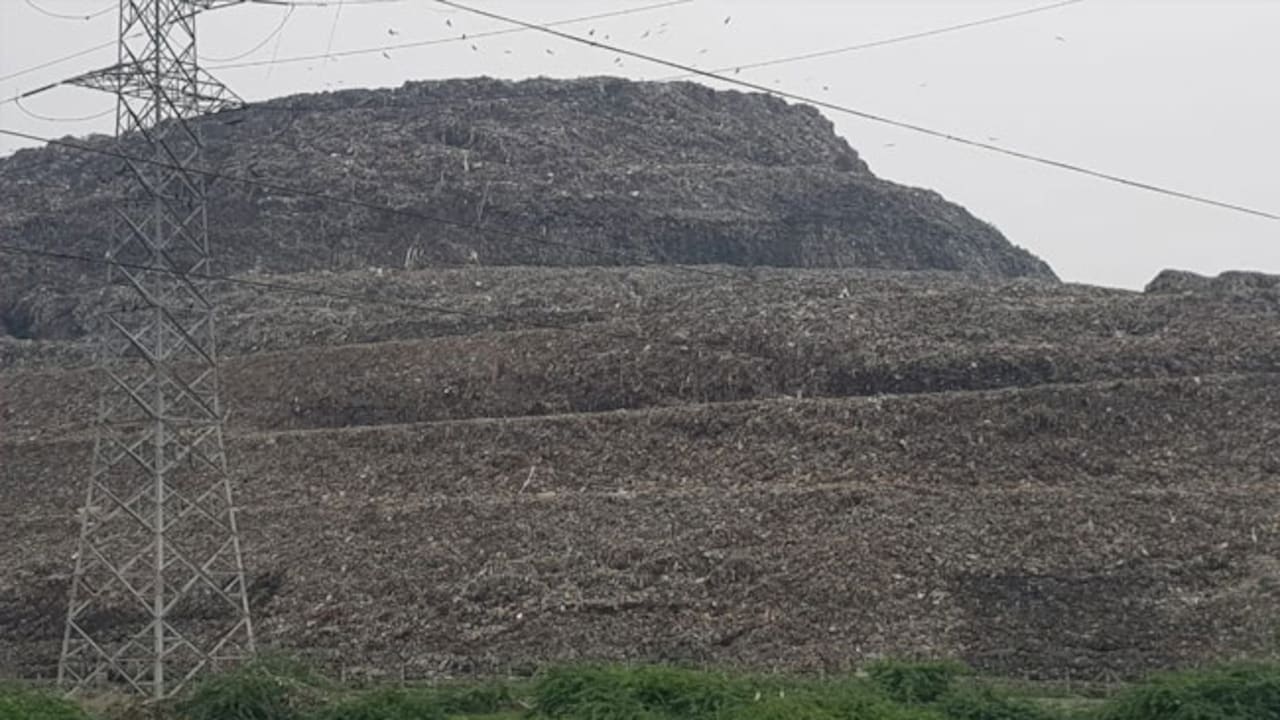
Delhi continues to struggle with waste management as half of its daily refuse remains diverted to landfills instead of being processed. Authorities are now mandating stricter adherence to waste processing protocols to mitigate this ongoing environmental challenge.
The Persistent Crisis of Delhi's Waste Management
Delhi, a metropolis grappling with rapid urbanization and dense population growth, faces an enduring challenge in the form of municipal solid waste. Despite high-profile cleanup initiatives and policy directives aimed at modernization, a significant portion of the city's daily waste—estimated at nearly 50%—continues to find its way into overflowing landfills. This situation highlights a critical gap between policy formulation and ground-level execution in the capital's sanitation infrastructure.
The Failure of Processing Protocols
The core of the issue lies in the inability of existing waste-to-energy plants and processing centers to keep pace with the sheer volume of trash generated daily. While municipal authorities have frequently introduced campaigns to segregate and recycle waste, the lack of consistent enforcement means that unprocessed waste remains the default endpoint. The recent directive issued to officials, demanding that all incoming waste at landfill sites be processed, serves as a direct acknowledgement that current logistical workflows are failing to meet basic environmental standards.
Environmental and Public Health Implications
Landfills in Delhi, such as the infamous Ghazipur site, are not merely eyesores; they are environmental hazards that pose severe risks to the surrounding urban ecosystem. As waste accumulates without proper treatment, it releases methane, contributes to groundwater contamination, and creates a perpetual risk of fire outbreaks due to the decomposition of organic material. The continued reliance on these dumping grounds, rather than decentralized processing units, exacerbates the city's air quality crisis and creates long-term health burdens for residents living in proximity to these sites.
The Shift Toward Mandatory Processing
The recent mandate for officials to ensure that all daily waste is processed signals a potential pivot toward stricter accountability. By shifting the focus from simply moving waste to ensuring its treatment, the administration is attempting to address the bottleneck at the landfill gates. This shift is essential to reduce the total load on existing dumps, which have long surpassed their design capacities and are increasingly becoming impossible to remediate through traditional methods.
Future Trends and Sustainable Solutions
Moving forward, the success of Delhi’s waste management strategy will depend on the scalability of decentralized composting and the strict enforcement of source segregation. If the city can transition toward a model where waste is processed at the ward level, the pressure on mega-landfills will significantly decrease. However, achieving this requires not just official directives, but a fundamental change in the city's infrastructure and public cooperation, ensuring that the 'cleanup drive' evolves into a sustainable, permanent habit rather than a sporadic campaign.
Verification Required?