Analysis: The Democrats have one chance to extract concessions from Trump. Markets will hate it
Source Entity
US Top News and Analysis
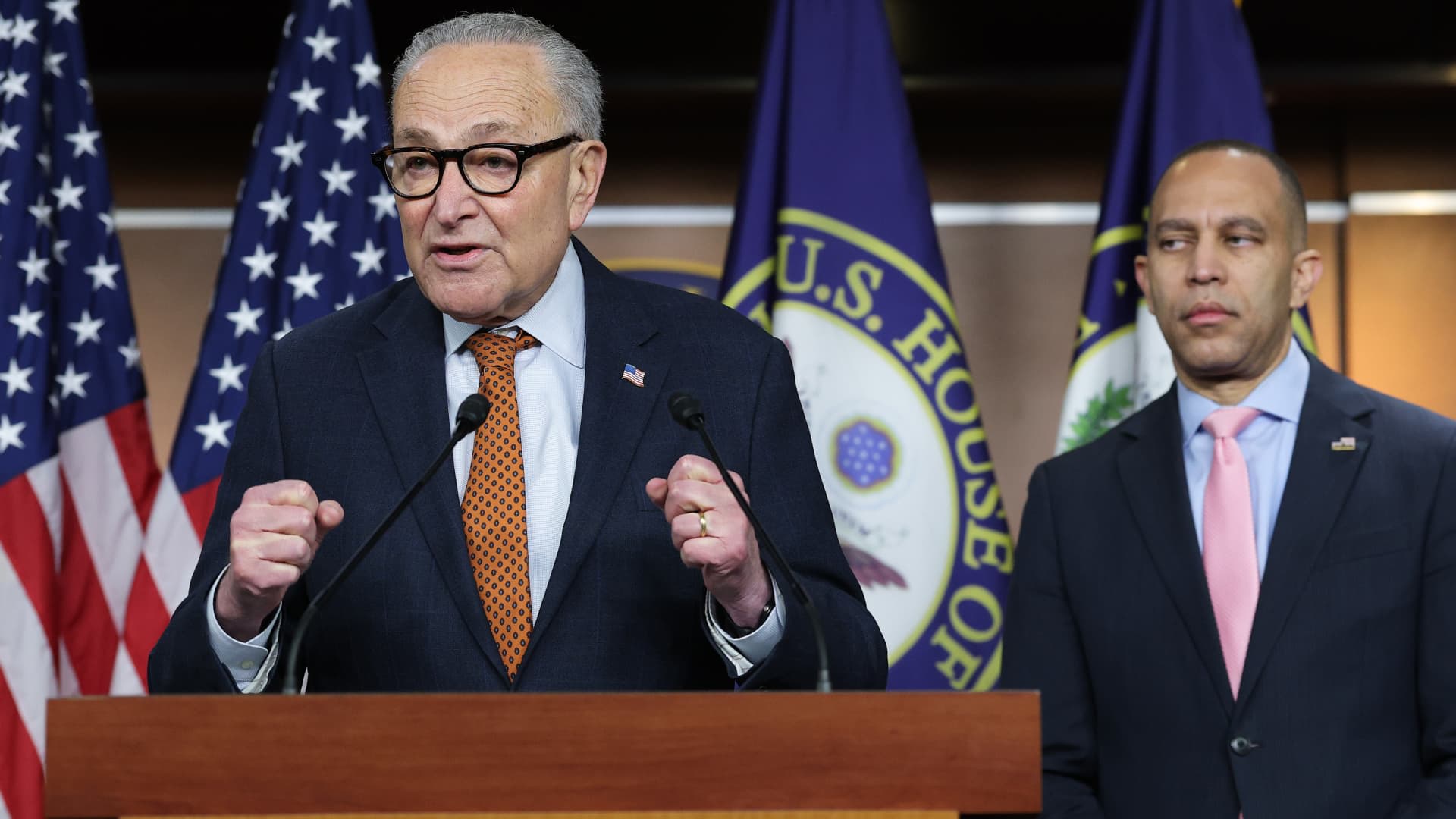
Democrats are shifting their strategy for the upcoming debt-ceiling negotiations, aiming to leverage their position to secure increased government spending. This change challenges historical market assumptions and risks heightened volatility in the U.S. financial landscape.
The Shift in Debt-Ceiling Strategy
The political landscape in Washington is undergoing a significant transformation as the upcoming debt-ceiling confrontation approaches. Traditionally, these high-stakes negotiations have seen Democrats on the defensive, often attempting to avoid default while facing intense fiscal pressure from Republican counterparts. However, the current strategy led by Senate Minority Leader Chuck Schumer and House Minority Leader Hakeem Jeffries suggests a departure from the cautious tactics associated with the Biden-Harris era.
Challenging Outdated Market Perceptions
Market analysts, such as Aniket Shah of Jefferies, have noted that many investors remain tethered to an outdated perception of the Democratic Party as being inherently less assertive in fiscal battles. This mental lag stems from years of observing predictable patterns in legislative gridlock. By failing to recognize the shift toward a more aggressive stance for 2027, the market may be unprepared for the confrontational nature of the impending negotiations, potentially leading to unnecessary volatility.
Leveraging Political Power for Spending
Unlike historical episodes where the primary goal was to avoid fiscal catastrophe through compromise, Democrats now appear poised to use the leverage inherent in their legislative position to extract concessions. The core of this strategy involves pushing for increased government spending rather than the austerity measures often demanded during such crises. This pivot is designed to address both economic concerns and the expectations of a constituency that is looking for tangible policy outcomes from a newly empowered Democratic caucus.
The Impact on Financial Markets
Financial markets are notoriously averse to uncertainty, and the prospect of a debt-ceiling standoff is a primary driver of instability. With existing high bond yields already placing significant pressure on the broader economy, the introduction of an aggressive, non-traditional negotiation style by Democratic leadership could exacerbate market anxieties. If investors continue to underestimate the resolve of the Democratic leadership, the sudden realization of this new strategy could lead to sharp fluctuations in bond pricing and investor sentiment.
Future Implications and Fiscal Stability
Looking ahead, the success of this strategy hinges on the ability of Democratic leadership to balance their demands for increased spending with the looming threat of a national default. While the stated goal is to secure concessions that favor their policy agenda, the broader risk remains that the political theater could spill over into real-world economic consequences. As Washington enters this critical phase, the interplay between partisan ambition and macroeconomic stability will likely define the fiscal trajectory of the United States for the remainder of the term.