How Democrats will try to end Trump's tariffs
Source Entity
US Top News and Analysis
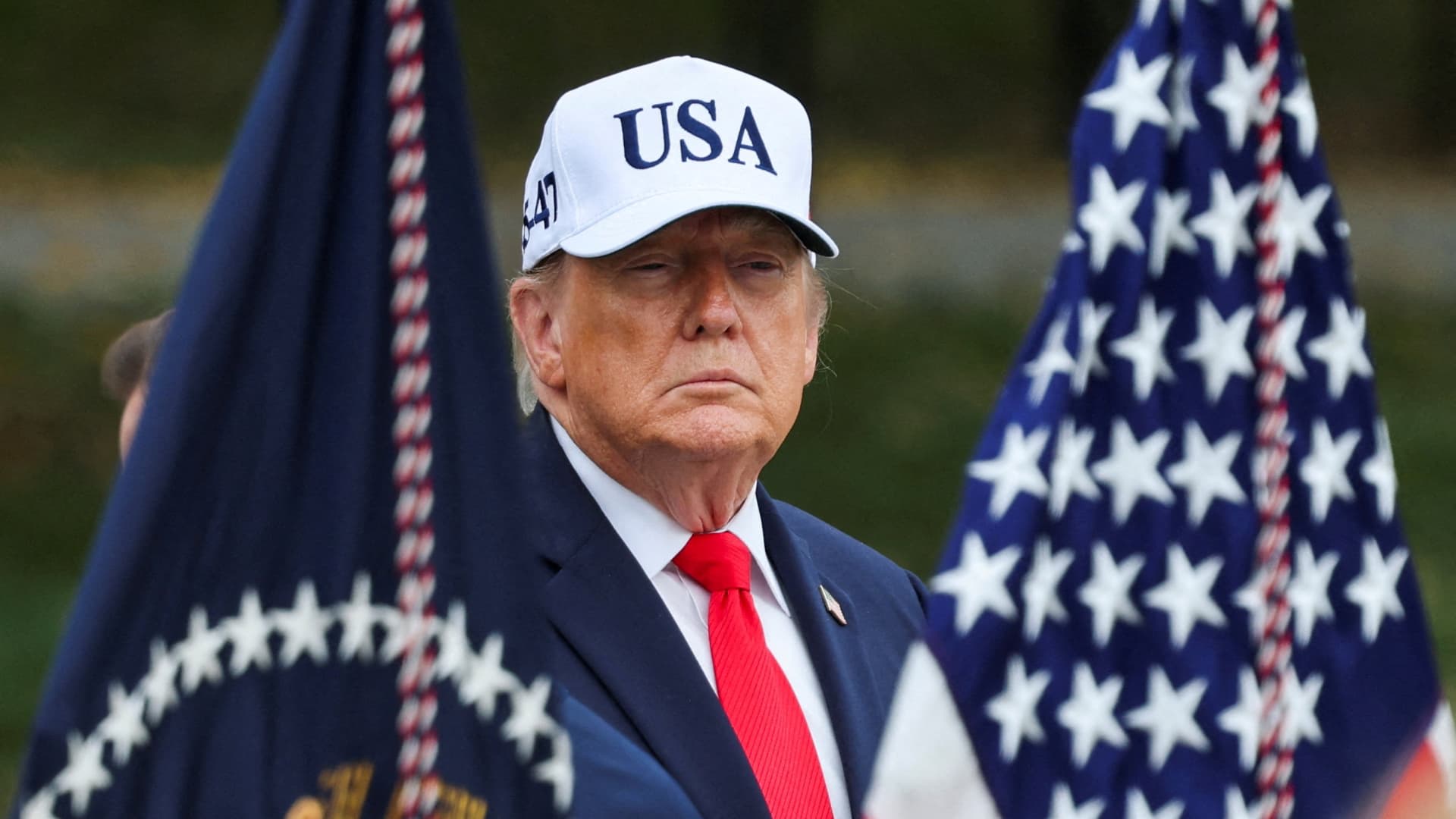
Democrats are preparing a legislative and investigative offensive to dismantle President Trump's extensive tariff policies. Led by Rep. Hakeem Jeffries, the party plans a first-100-hours blitz to challenge the administration's economic agenda.
The Impending Legislative Clash Over Tariff Policy
Following the conclusion of the congressional elections, the political landscape in Washington is shifting toward a high-stakes confrontation regarding President Donald Trump’s trade agenda. As the next Congress prepares to take office, the primary point of contention centers on the complex web of tariffs established by the administration over the past two years. Democratic leadership, spearheaded by Rep. Hakeem Jeffries, has signaled that dismantling these trade barriers is a top legislative priority.
A Two-Pronged Democratic Strategy
The Democratic approach to neutralizing the current tariff regime is multifaceted, involving both legislative action and rigorous oversight. Party leaders have indicated that they intend to utilize their influence in the House to launch a series of investigations into the administration’s trade policies. By probing the decision-making processes and the economic impacts of these tariffs, Democrats aim to build a public and legal case against the current protectionist stance.
The First-100-Hours Legislative Blitz
Beyond investigations, the Democratic strategy relies on a rapid-fire legislative agenda. Plans are currently underway for a "first-100-hours" blitz, a tactical move designed to force immediate votes on bills aimed at unwinding the president’s signature economic policies. By focusing on the tariffs early in the session, Democrats hope to seize the political narrative and force Republican lawmakers to defend the administration’s trade actions in a public forum.
The Economic and Political Stakes
The use of tariffs by the current administration has been described as unprecedented, creating a knotted web of economic implications that have divided policymakers. Democrats argue that these measures have caused significant strain on the economy, and their effort to undo them reflects a broader ideological divide regarding international trade and protectionism. The upcoming legislative session will determine whether this Democratic push can effectively dismantle the core of the administration's economic platform.
Future Implications for Trade Policy
The outcome of this battle will likely define the trajectory of U.S. trade policy for the remainder of the presidential term. If Democrats succeed in passing legislation to roll back tariffs, it would signal a major shift in the balance of power between the executive and legislative branches. Conversely, a failure to do so could cement the current tariff regime as a long-term fixture, regardless of opposition. As the next Congress is sworn in, the nation watches to see if the Democratic legislative firepower will be sufficient to overcome the administration’s entrenched economic strategy.