Explainer: How Democrats Expanded Its Map And Won Rural America
Source Entity
NDTV News Search Records Found 1000
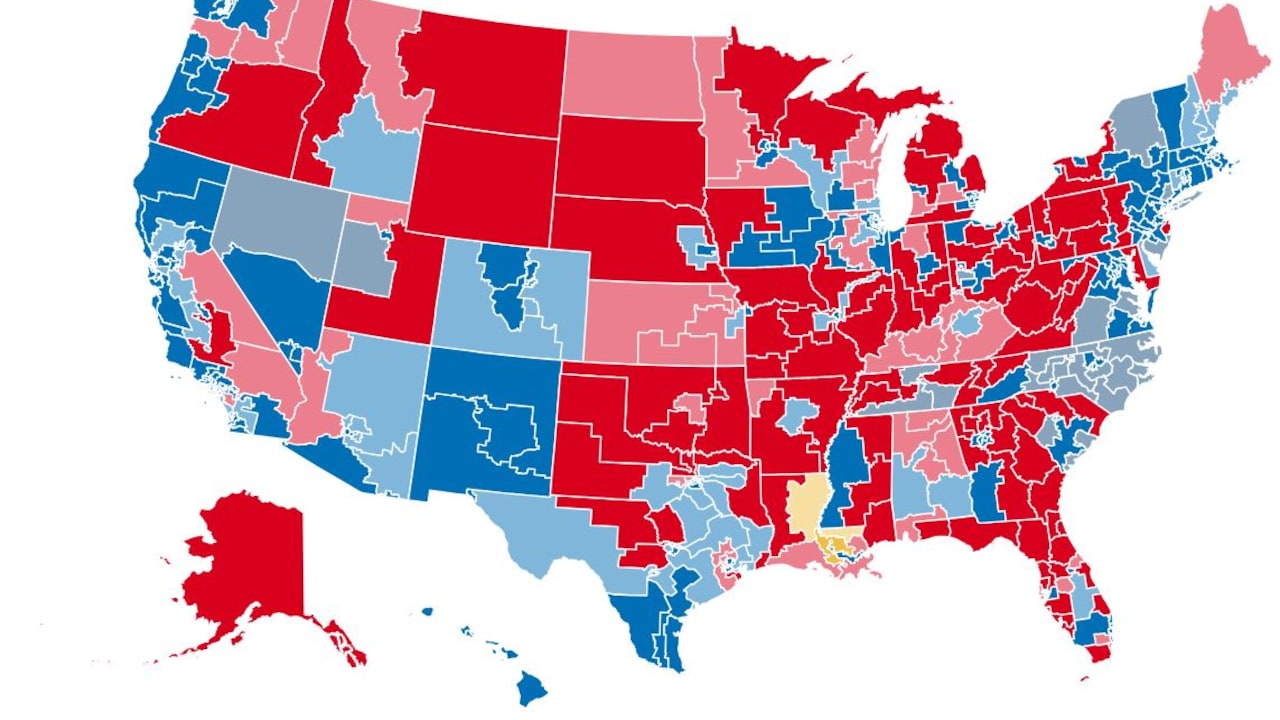
Recent reports indicate that the Democratic Party is projected to secure over 250 seats in the House of Representatives. This outcome highlights a significant expansion of their electoral map and successful outreach into rural regions.
The Democratic Surge: A Shift in the Electoral Landscape
Recent electoral projections indicate a major milestone for the Democratic Party, with reports suggesting they are on track to secure more than 250 seats in the House of Representatives. This shift marks a significant departure from previous election cycles, where the party often struggled to maintain a firm grip on broader geographic representation. By exceeding the 250-seat threshold, Democrats effectively solidify their legislative authority and gain a decisive mandate to advance their policy agenda.
Expanding the Electoral Map
The expansion of the electoral map is a critical component of this success. For years, political analysts have debated the efficacy of Democratic outreach strategies in non-urban districts. The achievement of surpassing 250 seats suggests that the party has successfully recalibrated its messaging to resonate with a more diverse range of voters. This expansion indicates a strategic pivot away from relying solely on urban strongholds, demonstrating that the party’s platform has gained traction in areas previously considered out of reach.
Breaking Through in Rural America
One of the most notable aspects of this development is the reported success of Democrats in rural America. Historically, rural districts have been strongholds for the Republican Party, driven by distinct economic and cultural priorities. The fact that Democrats have managed to secure enough seats to reach this 250-seat majority suggests a fundamental change in how rural voters are engaging with national platforms. Whether driven by economic policy, infrastructure investment, or local candidate appeal, this penetration into rural territory is a game-changer for national politics.
Broader Political Implications
A majority of 250 seats provides the Democratic Party with substantial legislative maneuverability. In a polarized climate, having a cushion beyond the simple majority of 218 allows leadership to navigate internal party disagreements while still passing key legislation. This level of control will likely lead to an acceleration of the party's primary policy goals, including potential shifts in fiscal policy, environmental regulation, and social safety nets, as the party no longer needs to rely on razor-thin margins to achieve its objectives.
Future Trends and Strategic Outlook
Looking forward, this electoral performance sets a new benchmark for future campaigns. If the Democratic Party can sustain this momentum, the traditional 'urban-rural' divide in American politics may begin to blur. Future electoral cycles will likely see increased investment in these previously 'lost' districts as both parties realize that the path to a sustainable majority lies in building a truly national coalition. This shift forces a re-evaluation of campaign resource allocation and suggests that the era of hyper-localized, base-only campaigning may be giving way to broader, more inclusive strategies.
Conclusion
In summary, the projection that Democrats will win more than 250 House seats signals a transformative moment in contemporary American governance. By expanding their map and breaking through in rural areas, the party has not only secured a robust legislative majority but has also redefined the geographic boundaries of its political influence. This result will undoubtedly shape the legislative landscape for the foreseeable future, forcing a recalibration of national political strategy.
Verification Required?