Detergent Found In Milk: Inside NDTV's Investigation At Maharashtra Testing Lab
Source Entity
NDTV News Search Records Found 1000
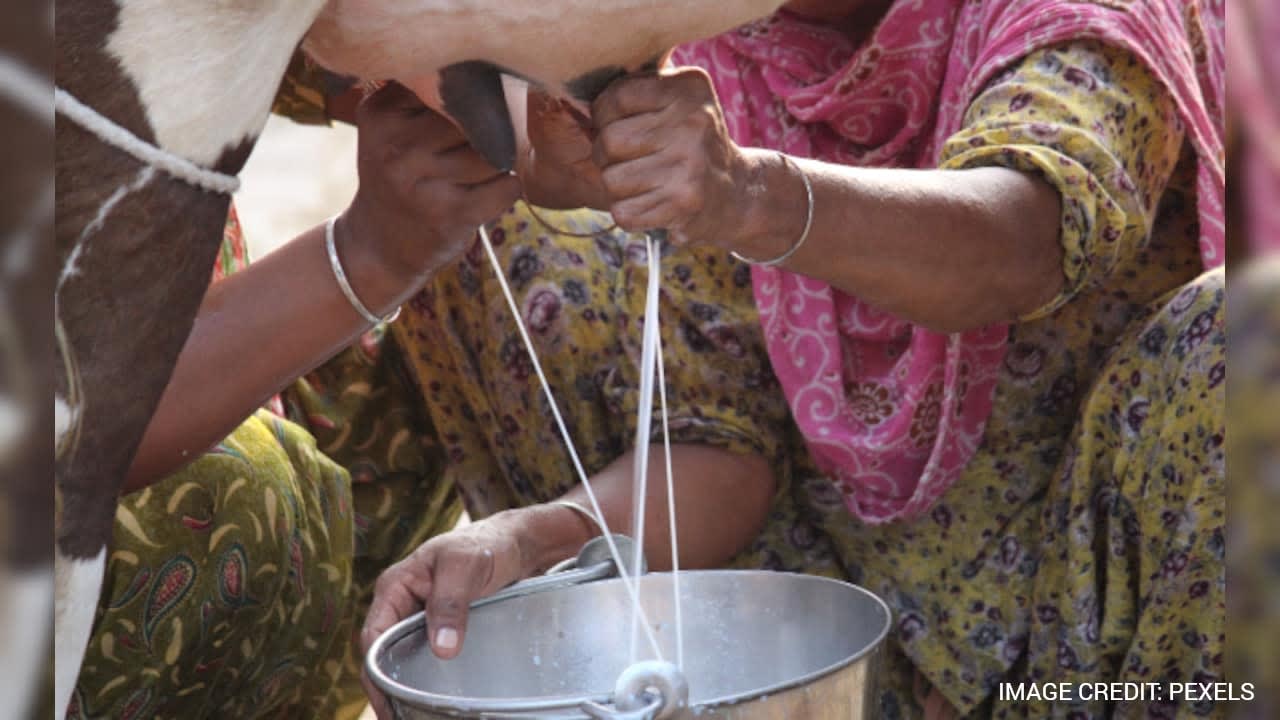
An NDTV investigation in Maharashtra has uncovered the dangerous practice of detergent adulteration in milk. Health experts caution that consuming such contaminated dairy products poses severe long-term risks to consumer well-being.
The Hidden Danger in the Dairy Supply Chain
Recent investigative reports originating from a Maharashtra-based testing laboratory have brought to light a disturbing trend in food safety: the presence of detergent in milk supplies. This adulteration, while seemingly counterintuitive, is often used by unscrupulous actors to create a 'frothy' appearance that mimics the high-fat consistency of pure, high-quality milk. By conducting rigorous testing, investigators have confirmed that this practice is not merely a rumor but a tangible threat to public health.
The Chemistry of Adulteration
The chemical composition of synthetic detergents includes surfactants and phosphates, substances that were never intended for human consumption. When these agents are introduced into the dairy supply chain, they alter the pH balance and chemical integrity of the milk. The inclusion of detergent is particularly insidious because it can mask the dilution of milk with water, allowing vendors to increase volume while presenting a product that appears visually authentic to the unsuspecting consumer.
Public Health Implications
The health risks associated with the ingestion of detergent-laced dairy products are profound. Medical professionals emphasize that even small, consistent doses of these chemicals can lead to acute gastrointestinal distress, including nausea, vomiting, and diarrhea. Over time, the cumulative effect of these synthetic additives can compromise the liver and kidneys, as the body struggles to process toxic substances that are not categorized as food-grade ingredients.
Regulatory Challenges in Maharashtra
This revelation underscores a significant gap in the oversight of the dairy industry within Maharashtra. While food safety authorities have established protocols for testing milk quality, the ability of adulterators to bypass these systems highlights the need for more frequent, unannounced lab testing and stricter supply chain transparency. The investigation acts as a call to action for both state regulators and private dairy cooperatives to implement advanced screening technologies at the point of collection.
Future Trends and Consumer Safety
Moving forward, the industry must pivot toward decentralized, rapid-testing kits that allow retailers and consumers to verify the purity of milk before it hits the shelf. As consumer awareness grows regarding the dangers of food fraud, there will likely be increased demand for 'farm-to-table' traceability. The path to eradicating such practices lies in a combination of technological surveillance and severe legal repercussions for those who prioritize profit over the fundamental safety of the public.
Conclusion
The findings from the Maharashtra laboratory serve as a stark reminder of the vulnerabilities inherent in essential food supply chains. Protecting the integrity of milk—a staple in millions of households—requires constant vigilance. By addressing the root causes of adulteration and enforcing stringent safety standards, authorities can begin to restore public trust and ensure that basic nutritional necessities do not become a vehicle for chemical harm.
Verification Required?