Fitness coach Devin Physique shares 6 high-protein, low-calorie foods that can help you hit daily calorie deficit goals
Source Entity
Latest News: Today's Latest News Headlines from India & World | Hindustan Times | Hindustan Times
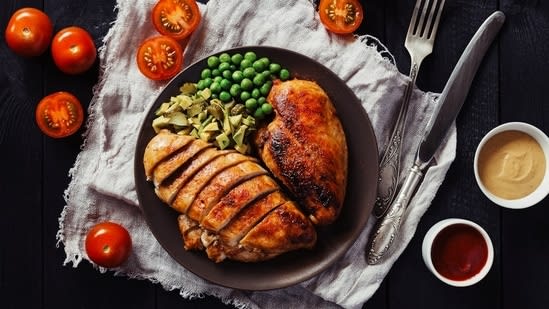
Fitness coach Devin Physique has outlined six high-protein, low-calorie food options to help individuals maintain a calorie deficit without sacrificing satiety. These recommendations aim to help dieters reach specific protein targets while managing overall energy intake for effective fat loss.
Optimizing Nutrition: The Science of High-Protein, Low-Calorie Dieting
In the pursuit of body recomposition—the simultaneous loss of fat and maintenance or gain of muscle—the role of dietary protein is paramount. Fitness coach and content creator Devin, known online as Devin Physique, recently addressed the common struggle of hitting high-protein targets while remaining within a restricted calorie budget. By highlighting foods that offer high protein-to-calorie ratios, he provides a tactical approach for individuals navigating the often-difficult balance of caloric deficits.
The Challenge of the Caloric Deficit
Many individuals attempting to lose fat fall into the trap of severe caloric restriction, which can lead to muscle wasting and intense hunger. The core premise shared by Devin Physique is that one does not need to starve to see results. By prioritizing nutrient density, specifically focusing on lean protein sources, dieters can achieve a state of satiety that is often missing from traditional, restrictive dieting plans. This approach shifts the focus from mere deprivation to strategic nourishment.
Why Protein Density Matters
Protein is the most thermogenic macronutrient, meaning the body expends more energy digesting it compared to fats or carbohydrates. Furthermore, protein plays a critical role in muscle protein synthesis, which is essential for preserving lean muscle mass during weight loss. When an individual consumes high-protein, low-calorie foods, they are effectively utilizing their caloric budget to support their metabolic rate and satiety levels simultaneously, making the weight loss process more sustainable.
Bridging the Gap: Practical Application
Devin’s guidance, specifically targeting a goal of 150 grams of protein within a 1,000-calorie limit, highlights the necessity of food selection. By incorporating items such as egg whites—a classic staple in the fitness industry due to their pure protein content and minimal fat—dieters can significantly pad their daily intake without exhausting their caloric threshold. This method allows for the creation of meals that are voluminous and filling, effectively curbing the psychological urge to overeat.
Long-Term Sustainability and Trends
Modern fitness trends have shifted away from fad diets toward evidence-based nutritional strategies. The emphasis on high-protein, low-calorie foods is a reflection of this shift, prioritizing long-term adherence over short-term fixes. As more individuals move toward tracking macronutrients, the demand for accessible, actionable advice on how to structure these meals continues to grow. By demystifying the process of hitting protein targets, coaches like Devin Physique are helping to normalize a more balanced approach to body composition.
Conclusion
The synthesis of expert coaching and practical food choices serves as a roadmap for those struggling with the physiological demands of fat loss. By focusing on the quality of calories rather than just the quantity, individuals can successfully navigate a caloric deficit without the common pitfalls of hunger and muscle loss. Ultimately, this strategy reinforces the idea that effective nutrition is not about restriction, but about intelligent selection.
Verification Required?