Kerala’s Wayanad reports fresh shigellosis case as college student tests positive
Source Entity
India Latest News: Top National Headlines Today & Breaking News | The Hindu
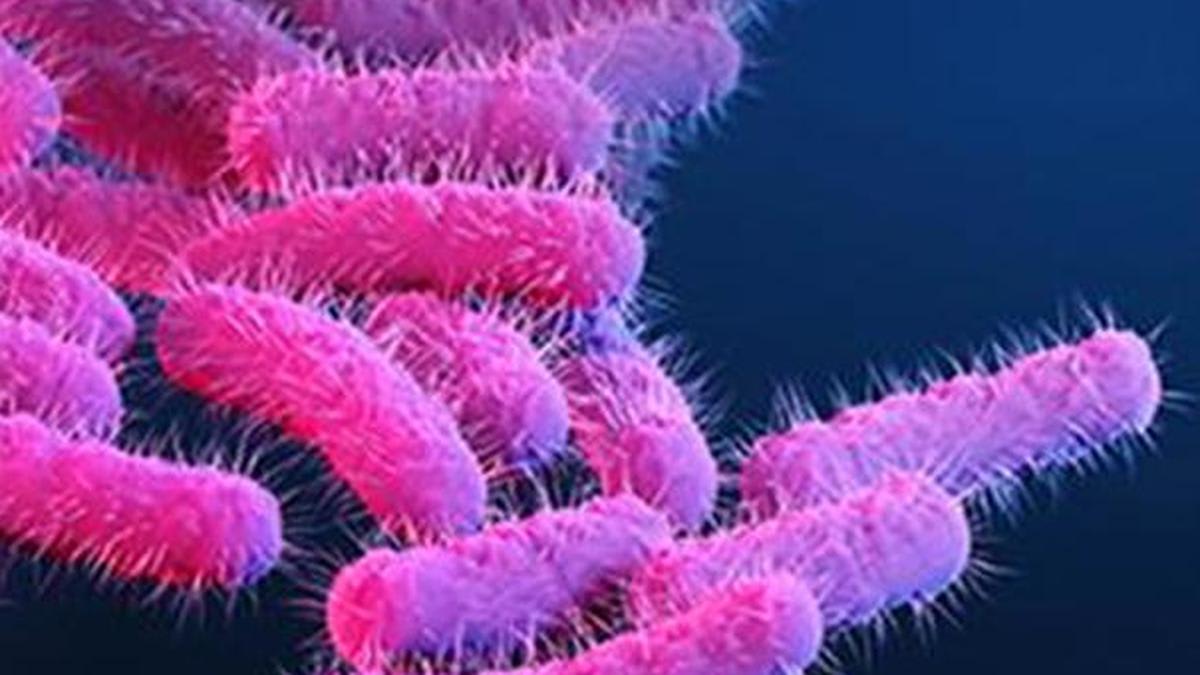
A fresh case of shigellosis has been identified at a Government Engineering College in Kerala's Wayanad district, prompting immediate containment and hygiene measures. Authorities have launched a week-long chlorination drive across the district to prevent further spread of the bacterial infection.
Shigellosis Outbreak in Wayanad: An Analysis
The Current Situation
On July 20, 2026, health authorities in Kerala’s Wayanad district confirmed a fresh case of shigellosis involving a student at the Government Engineering College. The situation escalated quickly as four additional students exhibited similar symptoms and required hospitalization. Given that both the confirmed patient and one of the symptomatic students reside in the college hostel, concerns regarding the potential for a localized cluster have prompted immediate administrative intervention.
Containment and Response Measures
Local governance bodies, specifically the Thavinjal grama panchayat, have moved swiftly to initiate containment protocols. A high-level meeting involving staff from the Peria Community Health Centre and college administration was convened to assess the risk. These efforts are crucial, as shigellosis is a highly contagious bacterial infection that spreads through contaminated food and water, often necessitating rapid environmental sanitation to break the chain of transmission.
Addressing the Water Supply
Recognizing that waterborne transmission is a primary vector for Shigella bacteria, Agriculture Minister T. Siddique announced a comprehensive week-long chlorination drive starting July 21. This initiative aims to treat all open wells and various waterbodies throughout the district. By targeting the source of potential contamination, the government hopes to mitigate the risk of wider community spread during the monsoon season, a time when water sources are particularly vulnerable to pollution.
Investigation into Food Safety
Beyond water sanitation, health officials are investigating the dietary habits of the affected students. Specifically, authorities are examining the water and food safety standards at the hotel frequented by the students. Identifying the source of infection is a critical component of the epidemiological investigation, as it allows for targeted public health actions rather than broad, less effective measures.
Broader Implications and Historical Context
This incident is not an isolated event in the region; shigellosis has been previously reported in Nenmeni grama panchayat, indicating that the bacteria remains an endemic threat in parts of Kerala. The recurring nature of these outbreaks underscores the persistent challenge of maintaining hygiene standards in communal living environments like college hostels. The government's proactive stance, including the mobilization of ministerial oversight, reflects a heightened awareness of the potential for infectious diseases to disrupt academic and community life.
Future Outlook
Moving forward, the effectiveness of the containment strategy will depend on the rigorous implementation of the chlorination drive and sustained community adherence to personal hygiene protocols. As the monsoon season continues to facilitate the spread of waterborne pathogens, public health authorities will need to remain vigilant. The emphasis on personal hygiene and the systematic monitoring of water quality represent the most effective long-term strategies for preventing future outbreaks of shigellosis in Wayanad.
Verification Required?