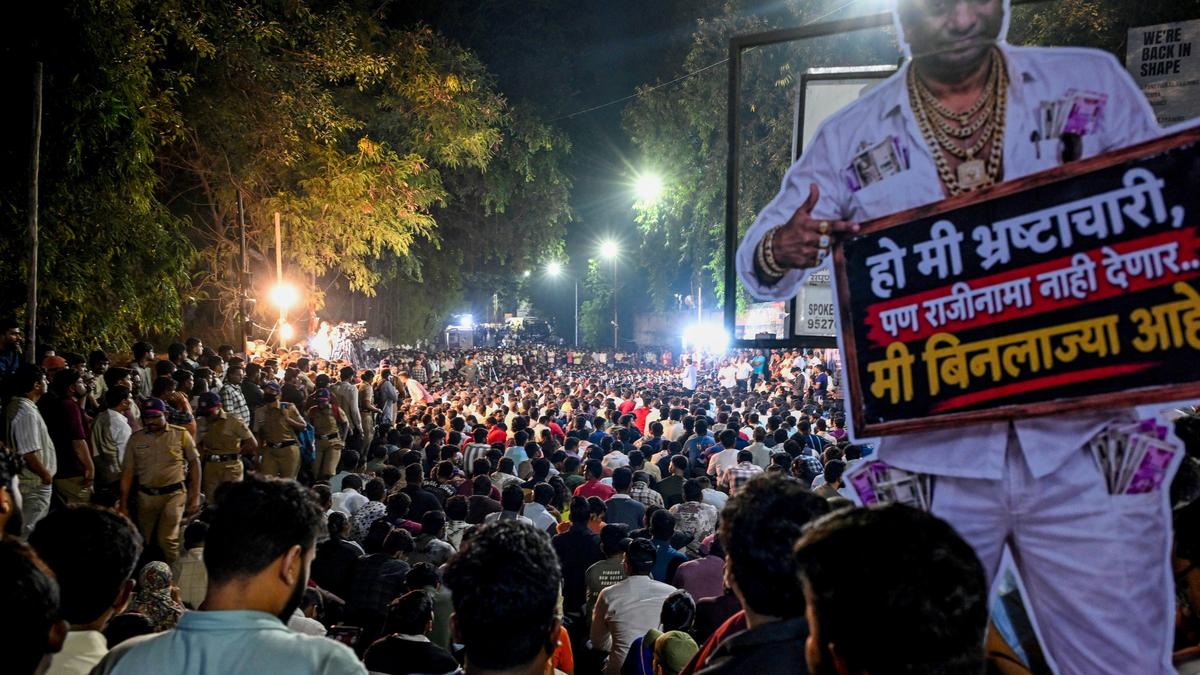
Pune police lodge FIR against 15 over MPSC protest in Navi Peth
Source Entity
India Latest News: Top National Headlines Today & Breaking News | The Hindu
YouTuber Dhruv Rathee was released by Gurugram police following his detention amid a massive crackdown on anti-CEC protests in Delhi. Authorities had deployed extensive security measures and rail disruptions to manage the large-scale demonstrations.
The Detention and Release of Dhruv Rathee: A Snapshot of Delhi's Recent Unrest
The Incident in Gurugram
The recent detention of prominent YouTuber Dhruv Rathee from his residence in Gurugram’s Sector 56 marks a significant moment in the ongoing tensions surrounding the Cockroach Janata Party (CJP) protests. Rathee, apprehended at approximately 6 a.m. by three Crime Branch teams, was taken into custody ahead of planned demonstrations in central Delhi. His subsequent release in the wee hours of Sunday underscores the volatile nature of the state's response to the gathering.
A Wide-Net Security Response
The events surrounding Rathee’s detention were part of a broader, highly coordinated security operation across New Delhi. Beginning early on October 10, security forces established a wide net, implementing strict traffic restrictions and barricading key arterial roads such as Janpath and Ashoka Road. The presence of personnel equipped with tear gas munitions signaled an intent by authorities to preemptively suppress the protest movement, which sought the resignation of Chief Election Commissioner Gyanesh Kumar.
The Scale of the Crackdown
The authorities' response was not limited to high-profile figures like Rathee. Reports indicate that over 6,000 individuals—comprising opposition leaders, activists, and various social media creators—were detained as part of the security clampdown. Early-bird protesters from the National Capital Region (NCR), including those from Gurugram and Faridabad, faced immediate confrontation at the Ashoka Road entrance to Jantar Mantar, where many were promptly boarded onto buses by security personnel.
Impact on Regional Infrastructure
The repercussions of the protests extended far beyond the immediate political sphere, heavily impacting public transportation. Northern Railway was forced to suspend or cancel numerous passenger train services to manage traffic congestion and security logistics in the Delhi area. While the situation has since begun to normalize, with 214 passenger trains restored, the lingering cancellation of 30 services serves as a testament to the scale of the disruption caused by the civil unrest.
Broader Implications and Future Trends
This series of events highlights a deepening friction between the political establishment and dissenting voices, facilitated by the digital influence of creators like Rathee. The use of mass detention and infrastructure shutdowns as a tool for crowd control suggests a trend toward aggressive state intervention during periods of perceived political instability. Moving forward, the restoration of rail services and the release of detainees may signal a tactical cooling-off period, yet the underlying grievances regarding the Election Commission remain unresolved, likely setting the stage for future cycles of protest and government response.
Multiple Citing Sources
Verification Required?