Diesel Crisis Threatens to Outlast the Middle East War
Source Entity
Yahoo Finance
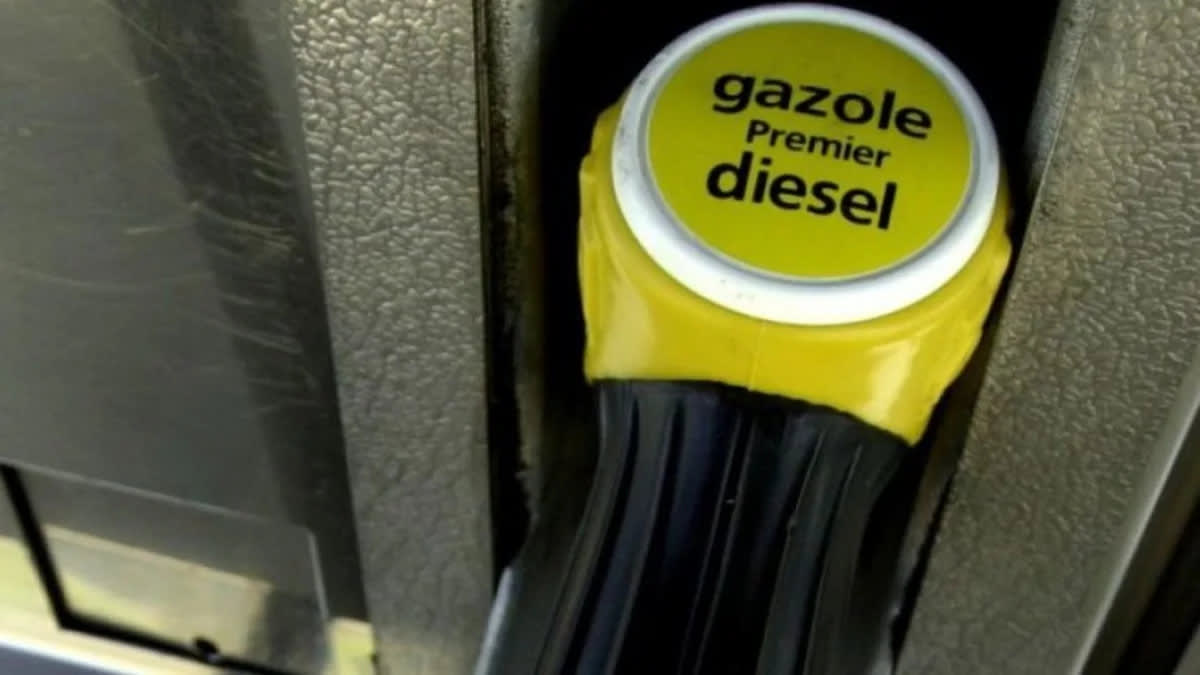
The ongoing Middle East conflict and U.S.-Iran sanctions are exacerbating a critical global diesel shortage. Even with stable crude prices, structural refining deficits ensure that fuel inflation will persist for months, threatening global economic stability.
The Looming Energy Crisis: Beyond Crude Oil Prices
The global energy landscape is currently defined by a troubling disconnect between crude oil benchmarks and the reality of refined fuel availability. While headline figures for Brent and West Texas Intermediate remain below the $100 per barrel threshold, the underlying market for distillates—specifically diesel—is signaling a severe structural crisis. This phenomenon underscores the reality that crude price stability does not equate to energy security when the infrastructure required to process that crude is failing to meet global demand.
The Impact of Geopolitical Escalation
The geopolitical tension between the United States and Iran has reached a critical juncture, with Washington threatening the "toughest sanctions in history." This rhetoric serves as a significant destabilizing force in the Middle East, a region that remains the heartbeat of global energy production. The uncertainty surrounding supply routes and the potential for further sanctions creates a risk premium that permeates every level of the energy supply chain, regardless of current production output.
Why Refining Capacity is the Bottleneck
Beyond the immediate geopolitical threats, the core of the diesel crisis lies in a systemic reduction in global refining capacity. Even if a diplomatic breakthrough were to occur tomorrow, the world is facing a physical limitation in its ability to convert crude oil into usable diesel. This bottleneck means that the current fuel squeeze is not merely a temporary reaction to war, but a persistent logistical challenge that will likely continue to suppress economic growth for months to come.
The Disparity Between Crude and Fuel Inflation
Investors often look to crude oil as the primary indicator of energy market health, but the current data suggests this is a misleading metric. While crude prices have risen by approximately $20 per barrel since the onset of the conflict, the price of diesel in Europe has surged by an alarming 70%. This disparity highlights that the market is struggling with a shortage of refined products rather than a shortage of raw crude, leading to extreme price volatility for industries that rely heavily on diesel for transportation and logistics.
Long-term Economic Implications
The persistence of high diesel prices acts as a regressive tax on the global economy, increasing the cost of shipping, manufacturing, and food distribution. As fuel costs remain elevated, inflationary pressures will continue to challenge central banks and corporate balance sheets. Because the refining deficit cannot be corrected overnight, businesses must prepare for a prolonged period of high energy costs, which will likely dampen consumer spending and slow global GDP growth well into the future.