Sakaala Services (Amendment) Bill passed in Karnataka legislature
Source Entity
India Latest News: Top National Headlines Today & Breaking News | The Hindu
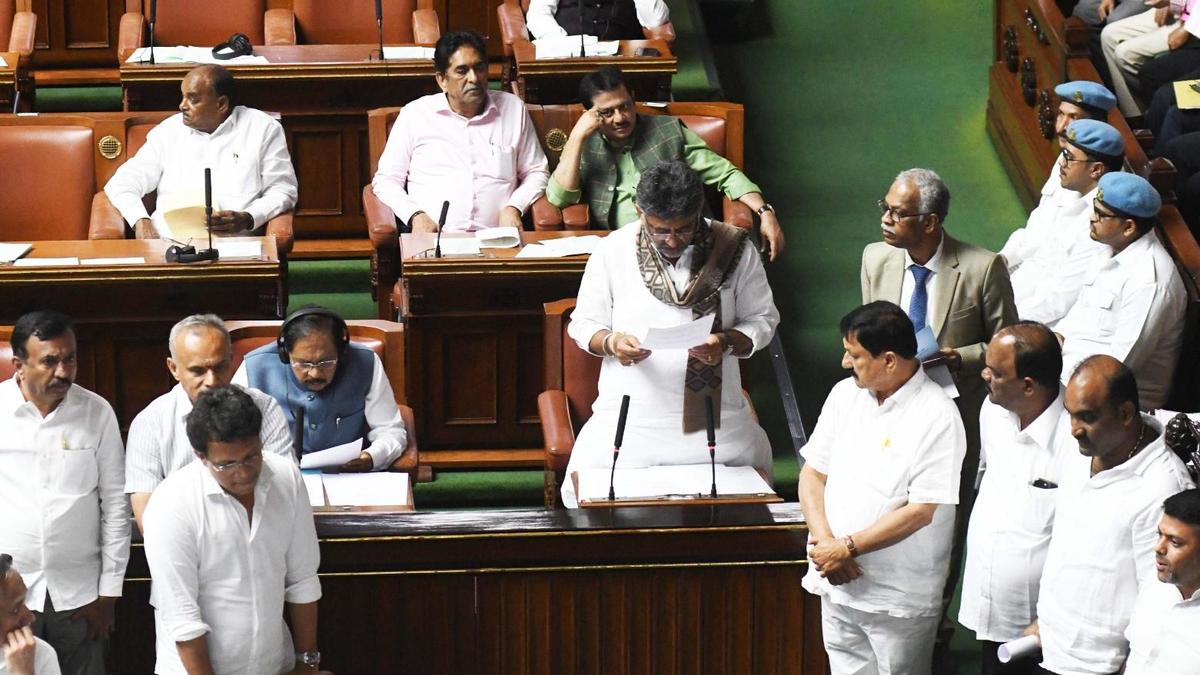
The Karnataka legislature has passed the Sakaala Services (Amendment) Bill 2026 to optimize public service delivery. The act introduces a ₹500 cap on penalties for service delays while granting the state government enhanced oversight and revisionary powers.
Karnataka Reforms Public Service Delivery with Sakaala Amendment
On August 24, 2026, the Karnataka legislature officially adopted the Karnataka Sakaala Services (Amendment) Bill 2026, a significant legislative move aimed at refining the state's citizen-centric service delivery framework. Piloted by Chief Minister D.K. Shivakumar, the bill represents a strategic pivot in how the state manages administrative accountability and procedural efficiency.
Streamlining Financial Accountability
One of the most notable components of this amendment is the capping of compensatory costs for delayed services. By establishing a maximum liability of ₹500 per application for defaulting public servants, the government is attempting to create a standardized, predictable financial penalty structure. This move balances the need for administrative discipline with a clear, capped financial burden, preventing excessive personal liability for officials while maintaining a deterrent against bureaucratic lethargy.
Expanding Administrative Oversight
Beyond financial adjustments, the bill grants the State Government expanded authority to incorporate new services under the Sakaala umbrella. This flexibility allows the government to adapt to the evolving digital and physical needs of Karnataka’s citizens. By designating specific competent and appellate authorities, the legislation ensures that there is a clear chain of command and accountability for every service brought under the Sakaala framework.
Empowering Revisionary Authority
The amendment introduces robust revisionary powers, allowing the State Government to intervene in orders passed by lower authorities. Whether acting suo motu or upon receiving a formal application, the government can now review the legality and propriety of previous decisions. This oversight mechanism is designed to harmonize service delivery across various departments, ensuring that the intent of the Sakaala initiative is upheld uniformly throughout the state.
Future Implications for Governance
This legislative shift reflects a broader trend in Indian governance: the transition toward more agile, responsive, and accountable public service systems. By providing the state with the power to modify deadlines and penalty structures, the government is positioning itself to be more reactive to public feedback. The long-term success of this bill will depend on the effective implementation of these new revisionary powers and the ability of the state to maintain a balance between strict enforcement and administrative efficiency.
Conclusion
The passage of the 2026 Amendment marks a critical juncture for Karnataka’s public service infrastructure. By streamlining the penalty process and centralizing oversight, the government is signaling a commitment to reducing red tape and improving the daily interactions between the state and its constituents. As these changes take effect, the focus will likely shift to how effectively these new authorities exercise their powers to ensure timely and fair service delivery.
Verification Required?