From Gen Z wave to heat in 150 days: Nepal PM Balen faces street anger, party unease
Source Entity
VISHANT AGARWALA
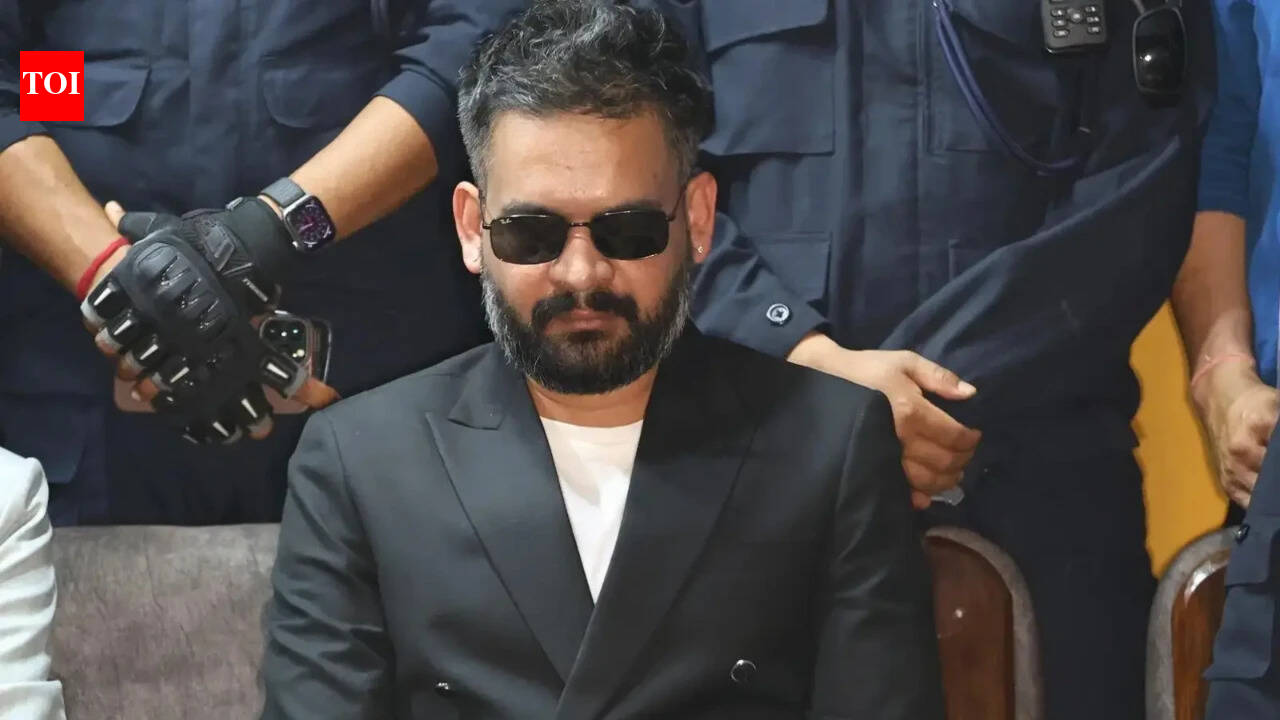
Nepal Prime Minister Balendra 'Balen' Shah is facing significant political instability just 150 days into his tenure. Driven by public protests and parliamentary pressure, his administration faces mounting dissent from both the street and his own Rastriya Swatantra Party (RSP).
The Rapid Erosion of the 'Balen' Mandate
Barely 150 days into his tenure, Nepal Prime Minister Balendra "Balen" Shah finds himself navigating a treacherous political landscape. The same wave of Gen Z-led populist energy that propelled the former rapper to the premiership on March 27 is now turning against him, manifesting in street protests and internal party friction. This rapid shift highlights the volatility of modern political movements that rely heavily on social media momentum rather than traditional institutional foundations.
The Anatomy of Public Discontent
The political honeymoon period proved remarkably brief, with the first signs of decay appearing just weeks after his inauguration. By mid-year, the iconic Maitighar Mandala in Kathmandu—a site synonymous with civil rights movements—became a flashpoint for protesters demanding his resignation. This return to the streets by the very demographic that championed his candidacy underscores a profound disillusionment with his governance, suggesting that the electorate's high expectations for immediate, radical reform have outpaced the realities of administrative bureaucracy.
Parliamentary Accountability and Institutional Friction
Beyond the streets, PM Shah has faced severe scrutiny within the halls of power. His repeated absences from parliament—attending only five out of the first 39 sittings—drew the ire of opposition lawmakers and necessitated a formal directive from Speaker Dol Prasad Aryal. This institutional friction forced the Prime Minister to appear on August 26 to answer for his governance, marking a critical transition from his status as a popular outsider to a politician under the microscope of legislative oversight.
Internal Dissent within the RSP
The most significant threat to Shah’s longevity may reside within his own party, the Rastriya Swatantra Party (RSP). Having swept 182 seats, the party was expected to provide a unified bloc for his agenda. However, recent reports indicate mounting dissent within the RSP ranks, suggesting that the party's ideological cohesion is fracturing under the pressure of governing. This internal instability poses a direct challenge to his ability to maintain a legislative majority and implement his platform.
Future Trends and Political Sustainability
Looking ahead, the administration’s survival depends on its ability to reconcile the demands of the restless youth movement with the necessity of parliamentary participation. If the RSP continues to experience internal friction and the Prime Minister remains disconnected from legislative proceedings, the likelihood of a vote of no confidence or a total collapse of the coalition increases. The 'Balen' phenomenon serves as a cautionary tale for populist leaders: securing power via a digital-age surge is only the first step, while the true test lies in the mundane, often grueling work of building political capital through institutional engagement.