Rajnath Singh Clears Transfer Of DRDO Missile Technologies To Indian Firms
Source Entity
NDTV News Search Records Found 1000
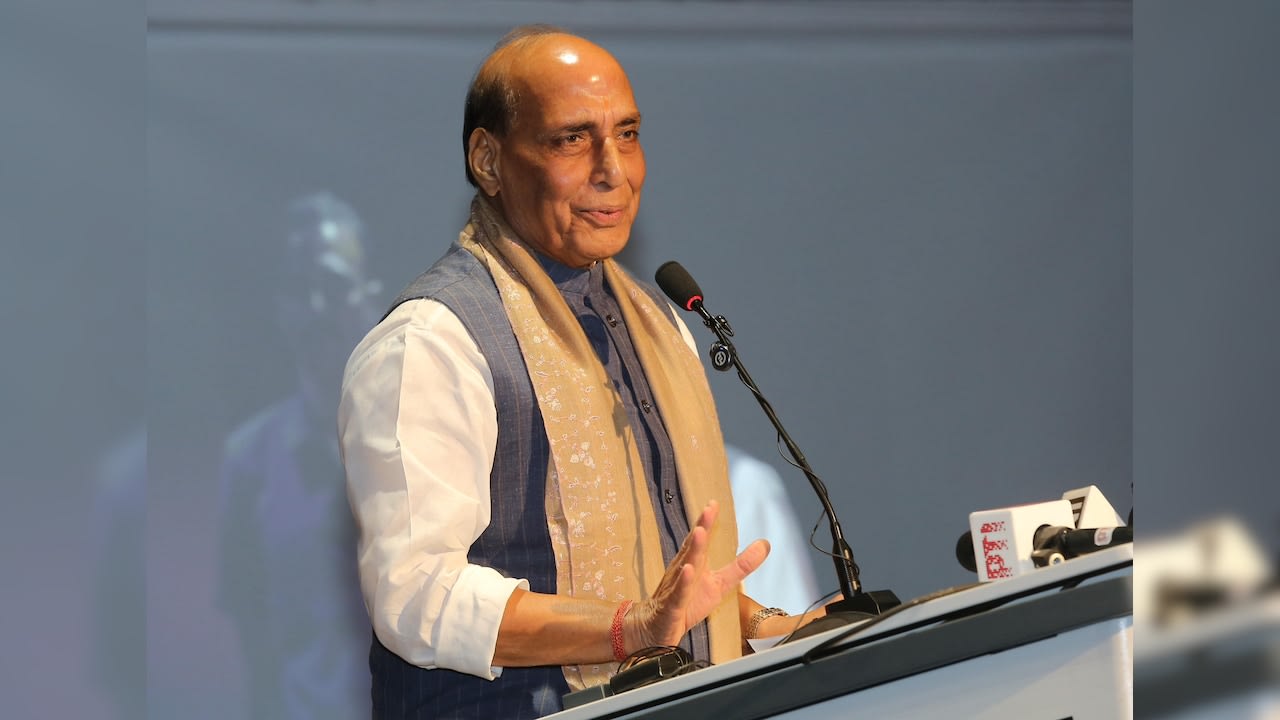
Defence Minister Rajnath Singh has approved the transfer of DRDO-developed conventional missile technologies to Indian private firms. This strategic move aims to boost indigenous manufacturing, reduce import reliance, and integrate MSMEs into the national defence supply chain.
India's Strategic Shift: Scaling Indigenous Missile Production
In a landmark decision, Defence Minister Rajnath Singh has authorized the transfer of technology (ToT) for all conventional missile systems developed by the Defence Research and Development Organisation (DRDO) to domestic defence industries. This policy shift marks a definitive move toward decentralizing production, allowing eligible Indian companies to manufacture advanced missile systems locally. By transitioning from a laboratory-centric development model to an industrial-scale manufacturing framework, the government is effectively streamlining the path from design to deployment.
Reducing Import Dependence and Boosting Autonomy
The core objective of this initiative is to curtail India's historic reliance on foreign military imports, a vulnerability that has long constrained national strategic autonomy. By empowering local firms—ranging from large corporations to Micro, Small, and Medium Enterprises (MSMEs)—to undertake the production of sophisticated missile systems, the Ministry of Defence is fostering a robust, self-reliant industrial ecosystem. This transition is framed as an "important milestone" in the broader effort to solidify India's position as a global defence manufacturing hub.
Empowering the Domestic Supply Chain
A critical component of this policy is the inclusion of MSMEs in the defence supply chain. Historically, the production of complex missile technology was largely confined to state-run entities. By opening these technologies to the private sector, the government is not only increasing production capacity but also encouraging innovation through competition. This inclusive approach ensures that the expertise developed within the DRDO is leveraged to its full potential by the agility and scale of the private manufacturing sector.
The 'Big Reset' in Defence Manufacturing
This move represents what experts describe as a "big reset" in how India approaches its defence capabilities. Rather than focusing solely on the end product—such as a new fighter jet or a specific missile—the government is fundamentally restructuring the process of military technology acquisition and development. This systemic change focuses on industrial scalability, ensuring that once a system is validated by the DRDO, it can be seamlessly integrated into a mass-production pipeline handled by domestic partners.
Regulatory Framework and Future Implications
The transfer of technology is not an unrestricted handover; it remains subject to rigorous qualifications and certification standards. This ensures that the high-performance requirements of conventional missile systems are maintained even as production shifts to multiple private entities. As these domestic firms gain proficiency in manufacturing these systems, we can expect to see a significant shortening of the procurement lifecycle, potentially offering India a more rapid response capability to regional security challenges and fostering long-term technological sovereignty.
Verification Required?