Disabled Indian man left stranded in Istanbul for 24 hours, wins Rs 60,000 from 2 airlines
Source Entity
Somya Panwar
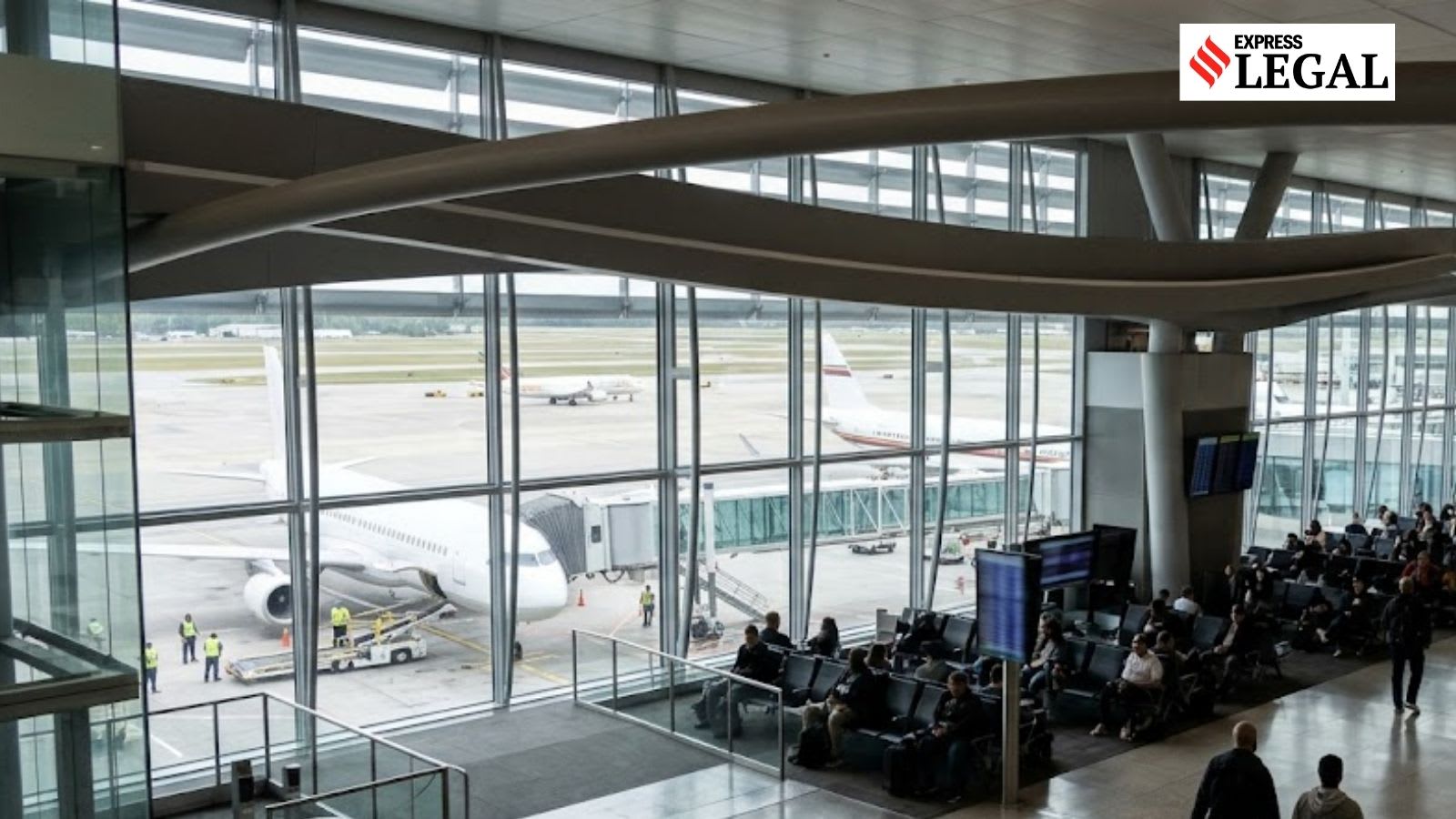
A Punjab District Consumer Commission has ordered two airlines to pay Rs 60,000 to a disabled passenger. The 65-year-old was left stranded at Istanbul airport for 24 hours without required wheelchair assistance and experienced significant baggage delays.
A Landmark Ruling for Passenger Rights
The Punjab District Consumer Commission has recently issued a significant verdict in a case involving a 65-year-old Indian passenger who faced severe neglect during international transit. The victim, who suffers from a 55 percent physical disability, was left stranded at Istanbul Airport for nearly 24 hours without the essential wheelchair assistance he had previously arranged. This ruling, which mandates that two airlines pay a combined compensation of Rs 60,000, serves as a stern reminder of the accountability air carriers must maintain toward their most vulnerable passengers.
The Failure of Duty of Care
The core of this legal dispute centered on the airlines' failure to provide reasonable care. While the airlines attempted to argue that offering a free rescheduling option was sufficient, the Commission—led by President Jagdishwar Kumar Chopra and member Mandeep Kaur—rejected this defense. They emphasized that procedural accommodations, such as rescheduling, do not exempt an airline from the fundamental obligation to support passengers with mobility challenges. The incident highlights a critical gap in service standards during complex multi-leg international journeys.
Complications in Global Transit
The passenger's ordeal began during a trip from Amritsar to London, with transit stops in Delhi and Istanbul. The logistical failure was compounded not only by the lack of wheelchair support during his 24-hour stranding but also by a significant delay in his baggage retrieval. The fact that his luggage arrived two days after he reached his final destination in London underscores a systemic breakdown in the coordination between different carriers involved in the passenger's itinerary.
Legal Precedents and Consumer Protection
This decision by the Punjab District Consumer Commission reinforces the power of consumer forums in India to hold global entities accountable for service deficiencies. By ruling in favor of the passenger, the commission has established that international airlines operating within the Indian market must adhere to stringent standards of care, regardless of where the incident occurs. It signals to the aviation industry that 'reasonable care' is a non-negotiable aspect of the contract of carriage.
Broader Implications for Air Travel
For the aviation sector, this case serves as a cautionary tale regarding the handling of passengers with disabilities. As global travel continues to rebound, the demand for reliable, seamless accessibility services is higher than ever. Airlines that fail to integrate their wheelchair assistance programs across international hubs face not only reputational damage but also escalating legal risks. This verdict will likely encourage other passengers to seek redress for similar grievances, potentially forcing airlines to invest more heavily in their ground handling and communication protocols.
Future Trends in Passenger Rights
Looking forward, we can expect a tightening of regulatory oversight regarding the rights of disabled travelers. The industry is moving toward a model where accessibility is treated as a core service component rather than an optional add-on. As the legal framework evolves, airlines will be under increasing pressure to ensure that transit experiences are inclusive and that they provide transparent, immediate solutions when service failures occur. This ruling is a vital step toward ensuring that the dignity and safety of disabled passengers remain a top priority in global aviation.