From Gaddafi’s prisons to Tihar, the many wars of Matthew VanDyke
Source Entity
Nirbhay Thakur
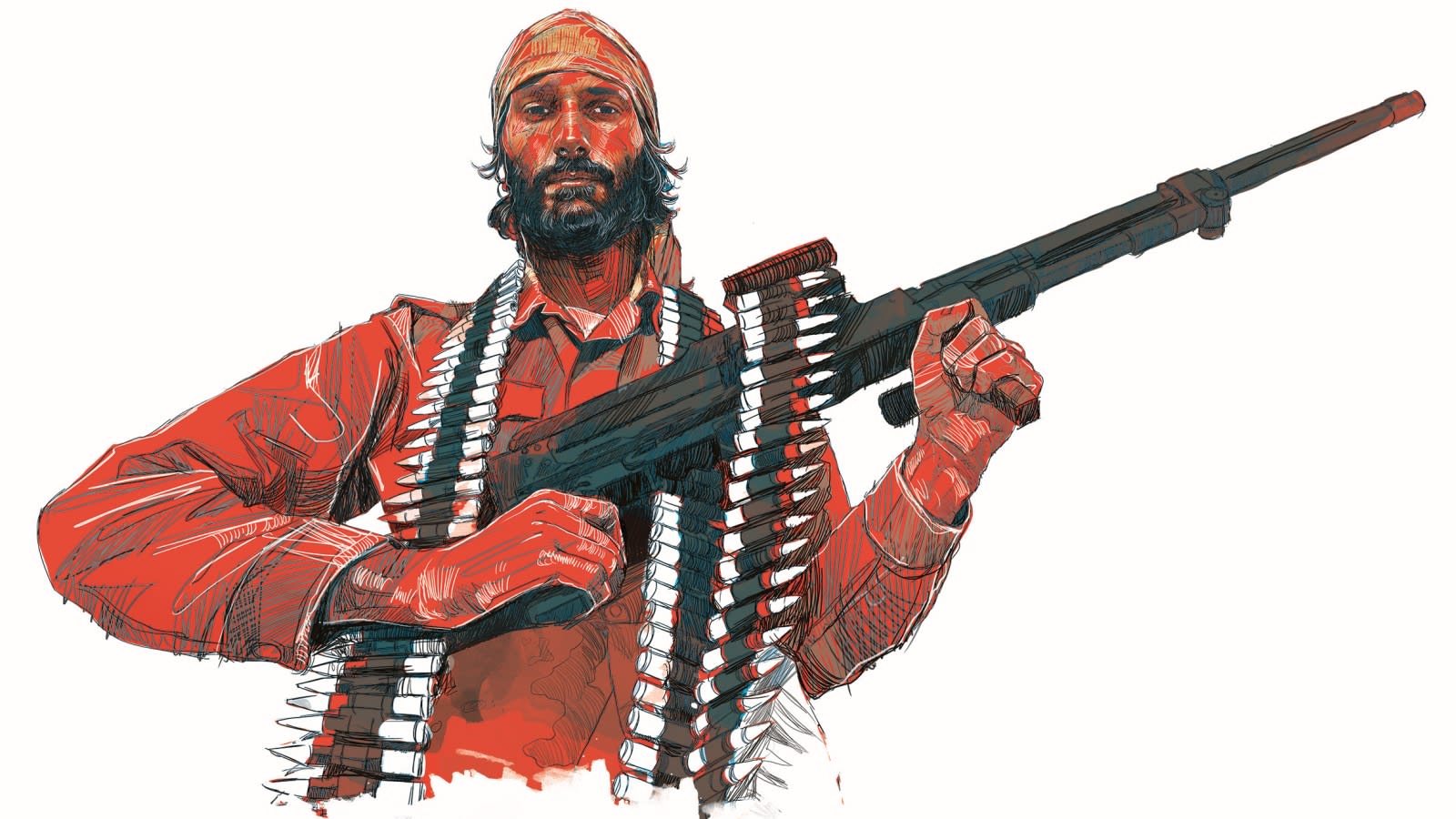
Matthew Aaron VanDyke, a former prisoner of the Gaddafi regime, was arrested by India's NIA alongside six Ukrainian nationals. The group faces allegations of violating visa terms and unauthorized movement within sensitive border regions.
The Unfolding Case of Matthew VanDyke and the NIA
A History of Conflict and Confinement
Matthew Aaron VanDyke’s journey into the public eye began in 2011 during the Libyan Civil War. On March 13, 2011, the then 30-year-old Baltimore native was captured near Brega after being struck during an ambush. He endured 166 days of solitary confinement within Muammar Gaddafi’s prison system. This harrowing experience established a public persona for VanDyke as someone deeply embedded in international conflict zones, a narrative that has now intersected with Indian national security interests.
The Symmetry of Dates and Security Concerns
Precisely 15 years after his initial capture in Libya—on March 13, 2026—VanDyke found himself in the custody of India’s National Investigation Agency (NIA). His arrest at Kolkata airport was not an isolated incident; it was part of a coordinated security operation. Simultaneous arrests of six Ukrainian nationals—Hurba Petro, Taras Slyviak, Ivan Sukmanovskyi, Marian Stefankiv, Maksim Honcharuk, and Viktor Kaminskyi—at airports in Delhi and Lucknow suggest a highly organized inter-agency effort by Indian authorities to dismantle a potential security threat.
Allegations of Unauthorized Border Movement
The NIA’s investigation centers on the group's activities within India. Authorities allege that the seven individuals entered the country under the guise of tourist visas. However, their itinerary reportedly deviated significantly from standard tourism. The agency claims the group traveled through the state of Assam before infiltrating the protected border state of Mizoram, a region subject to strict regulatory oversight due to its sensitive geography and security implications.
Broader Implications for Border Security
The movement of foreign nationals through protected regions like Mizoram poses significant challenges for India’s internal security framework. By tracking the group from their initial entry to their transit through the Northeast, the NIA is signaling a heightened stance against the exploitation of tourist visas for activities that fall outside the scope of leisure travel. This case highlights the complexities of monitoring foreign movements in regions where tribal autonomy and international border dynamics intersect.
Analyzing Future Trends in Counter-Terrorism
This incident underscores a broader trend in how national security agencies are utilizing intelligence-led operations to intercept suspected irregular activities before they manifest into larger threats. The coordination between multiple airports suggests a sophisticated surveillance network capable of tracking individuals across vast distances. As India continues to balance its tourism sector with the necessity of maintaining rigorous border control, cases involving foreign nationals in sensitive areas will likely undergo increased scrutiny, potentially leading to stricter visa enforcement and monitoring protocols for visitors entering from conflict-prone regions or with unconventional travel patterns.