"Direct Hit": Houthis' Claim Targeted Saudi Ministry With Ballistic Missile
Source Entity
NDTV News Search Records Found 1000
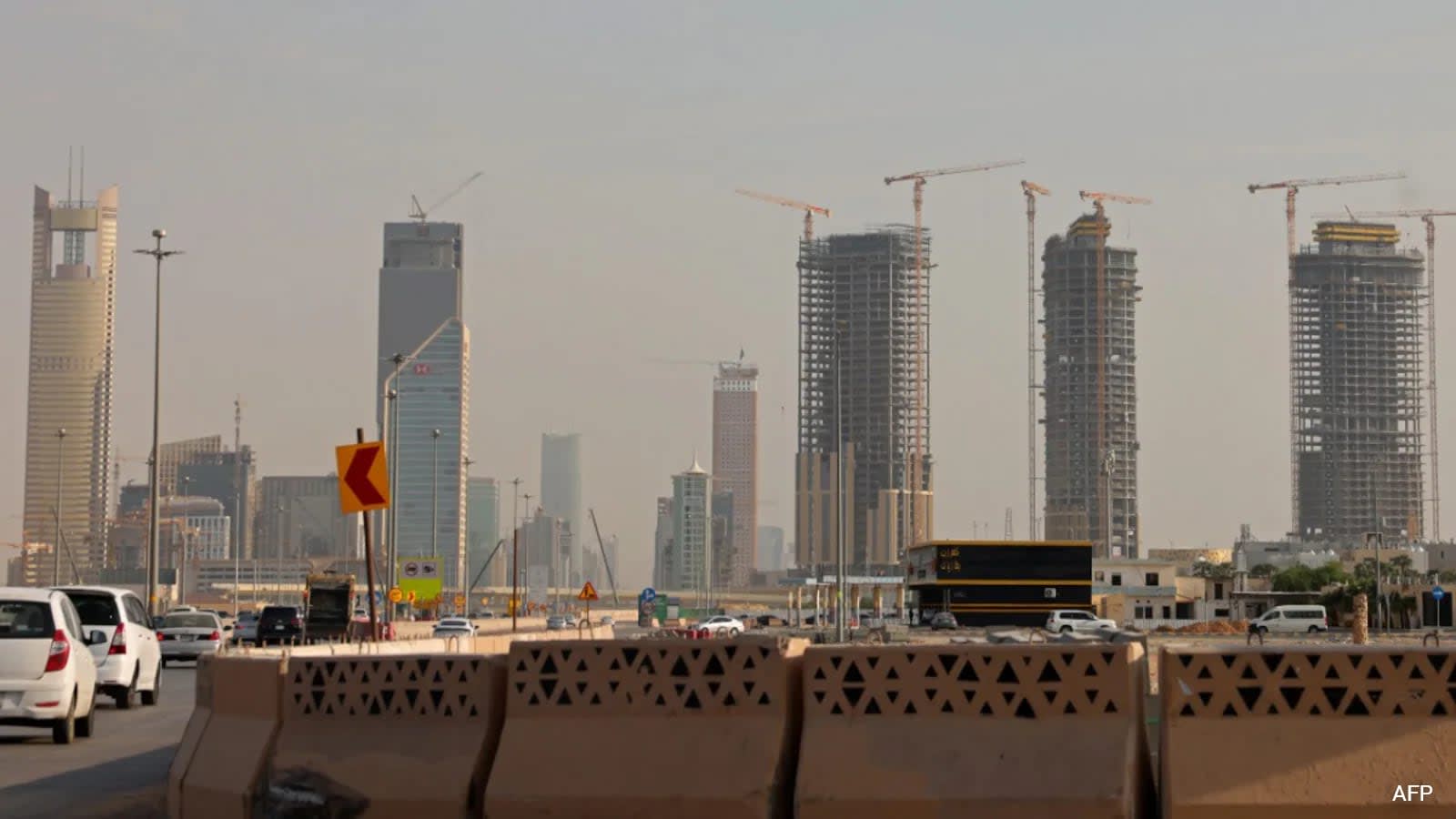
The Iran-aligned Houthi group has claimed responsibility for targeting Saudi Arabia's defense ministry and military sites with ballistic missiles and drone strikes. These developments have heightened regional security concerns regarding the kingdom's military installations and critical energy infrastructure.
Escalating Tensions: Houthi Claims Against Saudi Arabia
The recent escalation in hostilities between the Iran-aligned Houthi movement and the Kingdom of Saudi Arabia marks a significant intensification in the ongoing regional conflict. By claiming a direct strike on the Saudi Ministry of Defence in Riyadh, the Houthis have signaled a move toward targeting the heart of the kingdom’s administrative and military command, moving beyond localized border skirmishes to more strategic, high-value threats.
The Shift in Tactical Warfare
Recent footage released by the Houthi movement provides a visual narrative of their evolving tactical capabilities. By showcasing drone strikes against military sites in the provinces of Najran, Jizan, and Asir, the group is demonstrating a sophisticated ability to penetrate Saudi border defenses. The use of aerial surveillance and precision strikes on military transport vehicles underscores a transition toward a more aggressive, asymmetric warfare strategy that directly challenges the kingdom’s border security.
Strategic Implications for Infrastructure
The focus on the Saudi defense ministry, coupled with reports of explosions in Riyadh, raises grave concerns for the security of Saudi Arabia’s critical energy and military infrastructure. Historically, the kingdom has prioritized the protection of its oil facilities and administrative hubs; however, the ability of the Houthis to claim strikes in the capital suggests that the geographical scope of the conflict is expanding. This poses a sustained threat to regional stability and the safety of key energy assets.
Regional Geopolitics and Iran's Influence
These developments cannot be viewed in isolation from the broader geopolitical competition between regional powers. The Houthi movement, widely recognized as being aligned with Iran, continues to utilize advanced weaponry—including ballistic missiles and unmanned aerial systems—that reflect external technological support. This dynamic exacerbates the regional divide, transforming local Yemeni conflicts into a proxy theater that tests the air defense and intelligence capabilities of the Saudi state.
Future Trends and Security Outlook
Moving forward, the ability of Saudi authorities to mitigate these threats will be a focal point for international observers. As the Houthis continue to leverage media and propaganda to broadcast their military claims, the pressure on Saudi Arabia to bolster its defense systems will intensify. The international community remains watchful, as any successful strike on high-value government targets in Riyadh could trigger a significant military and diplomatic response, further destabilizing the Arabian Peninsula.
Conclusion
In summary, the Houthi claims of targeting the Saudi defense ministry and the release of tactical drone footage represent a dangerous evolution in the conflict. While official confirmation of the specific damage caused by these alleged strikes remains limited, the psychological and strategic impact of such claims is profound, necessitating a heightened state of alert for the kingdom’s security apparatus.
Multiple Citing Sources
Verification Required?