Disney’s multiplatform Super Bowl plan frustrates ABC affiliates
Source Entity
US Top News and Analysis
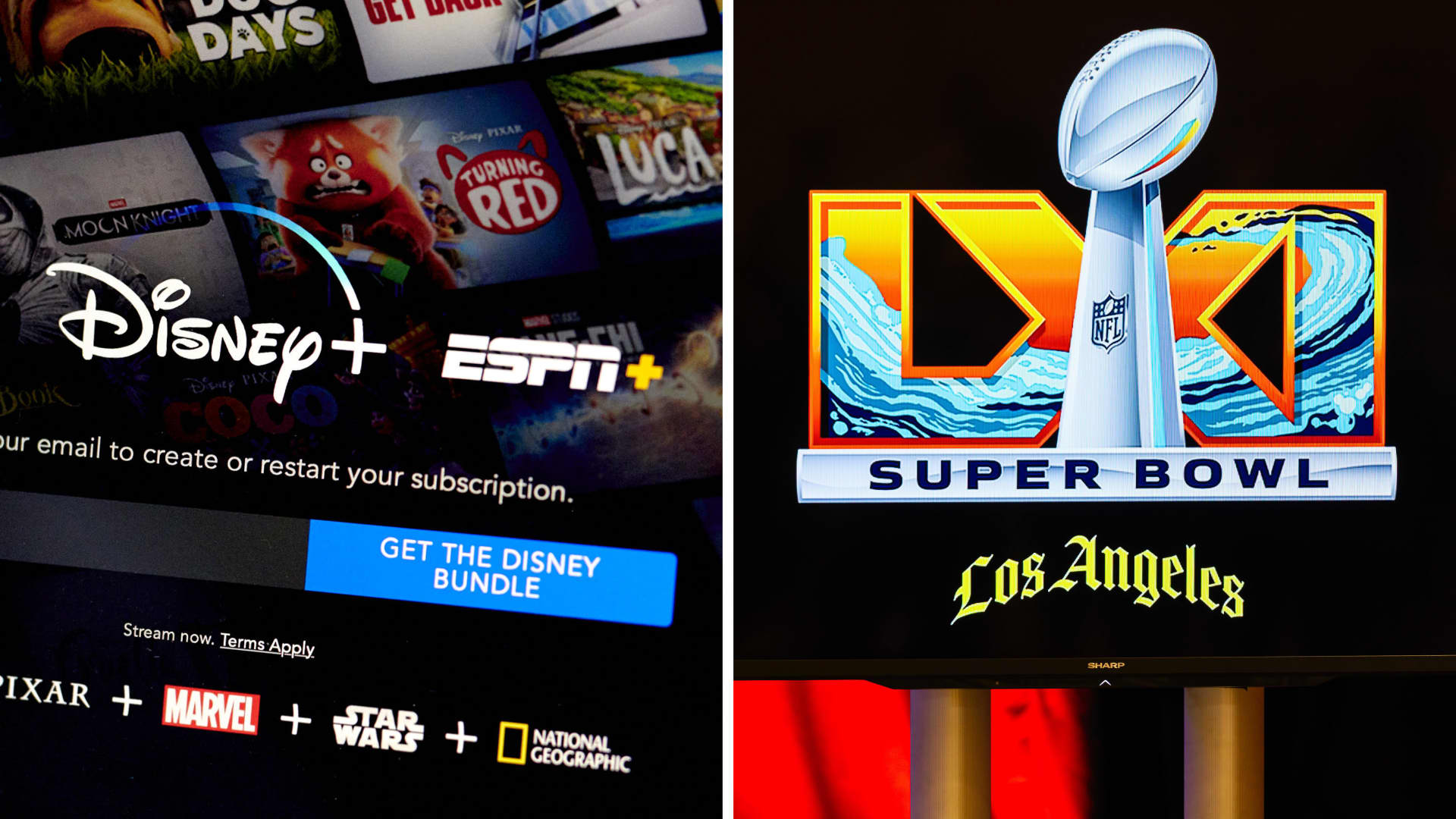
Disney's decision to broadcast the Super Bowl across multiple platforms including Disney+, ESPN, and various cable channels has sparked friction with local ABC affiliates. These station owners are concerned about the dilution of their exclusive local broadcast rights and audience reach.
The Strategic Shift in Super Bowl Broadcasting
Disney’s recent decision to distribute the upcoming Super Bowl across a wide array of platforms—including ABC, ESPN, Disney+, ESPN2, ESPNU, and the NFL Network—represents a seismic shift in how premier live sports are consumed. By moving away from a traditional exclusive broadcast model, Disney is attempting to maximize reach across both linear cable and the burgeoning streaming landscape. However, this diversification strategy has created significant tension with local ABC affiliate station owners, who rely on the Super Bowl as a cornerstone of their annual advertising revenue and local market dominance.
The Friction Between Network and Affiliates
At the heart of the conflict is the erosion of the traditional network-affiliate relationship. For decades, local stations have served as the primary, exclusive conduits for major events in their respective regions. When Disney chooses to simulcast the game on platforms like Disney+ and ESPN, it fragments the audience that would otherwise be forced to tune into their local ABC affiliate. This decentralization threatens the value proposition of local advertising slots, which are typically sold at premium rates during the Super Bowl, potentially impacting the bottom line for station owners who operate on thin margins.
The Evolution of Media Consumption
This move by Disney is not merely an administrative choice but a calculated response to the decline of cable television. As cord-cutting accelerates, media conglomerates are forced to prioritize their direct-to-consumer streaming services like Disney+ to remain relevant. By placing the Super Bowl on these digital platforms, Disney is effectively hedging its bets against the long-term decline of traditional broadcast television, signaling that the future of sports media is increasingly platform-agnostic.
Regulatory and Contractual Implications
The relationship between a network and its affiliates is governed by complex affiliation agreements, which are often the subject of intense negotiation and occasional legal scrutiny. The frustration expressed by ABC affiliates suggests that these agreements may be under strain as Disney pivots toward a more integrated, cross-platform media strategy. This could lead to a broader industry trend where local stations are forced to renegotiate their terms to account for the diminished exclusivity of the content they carry.
Future Trends in Sports Broadcasting
Looking ahead, we can expect this tension to act as a bellwether for the industry. As major sports leagues seek the widest possible audience to justify record-breaking rights fees, network owners will likely continue to pursue multi-platform strategies. This suggests that the era of 'exclusive' broadcast rights is fading, replaced by a 'ubiquity' model. While this benefits the consumer by providing more access points, it places local broadcasters in a precarious position, forcing them to find new ways to offer value to their local viewers beyond just carrying the live event.
Conclusion
Disney’s multiplatform approach to the Super Bowl underscores the growing pains of a media industry in transition. While the company pursues a necessary strategy to capture digital-native audiences, the blowback from its local affiliates serves as a reminder that the transition to streaming is not without internal costs. Balancing the needs of massive streaming infrastructure with the legacy value of local broadcasting will remain a primary challenge for Disney as it navigates the future of sports entertainment.