How Diwali’s classical rare raga came to be
Source Entity
Suanshu Khurana
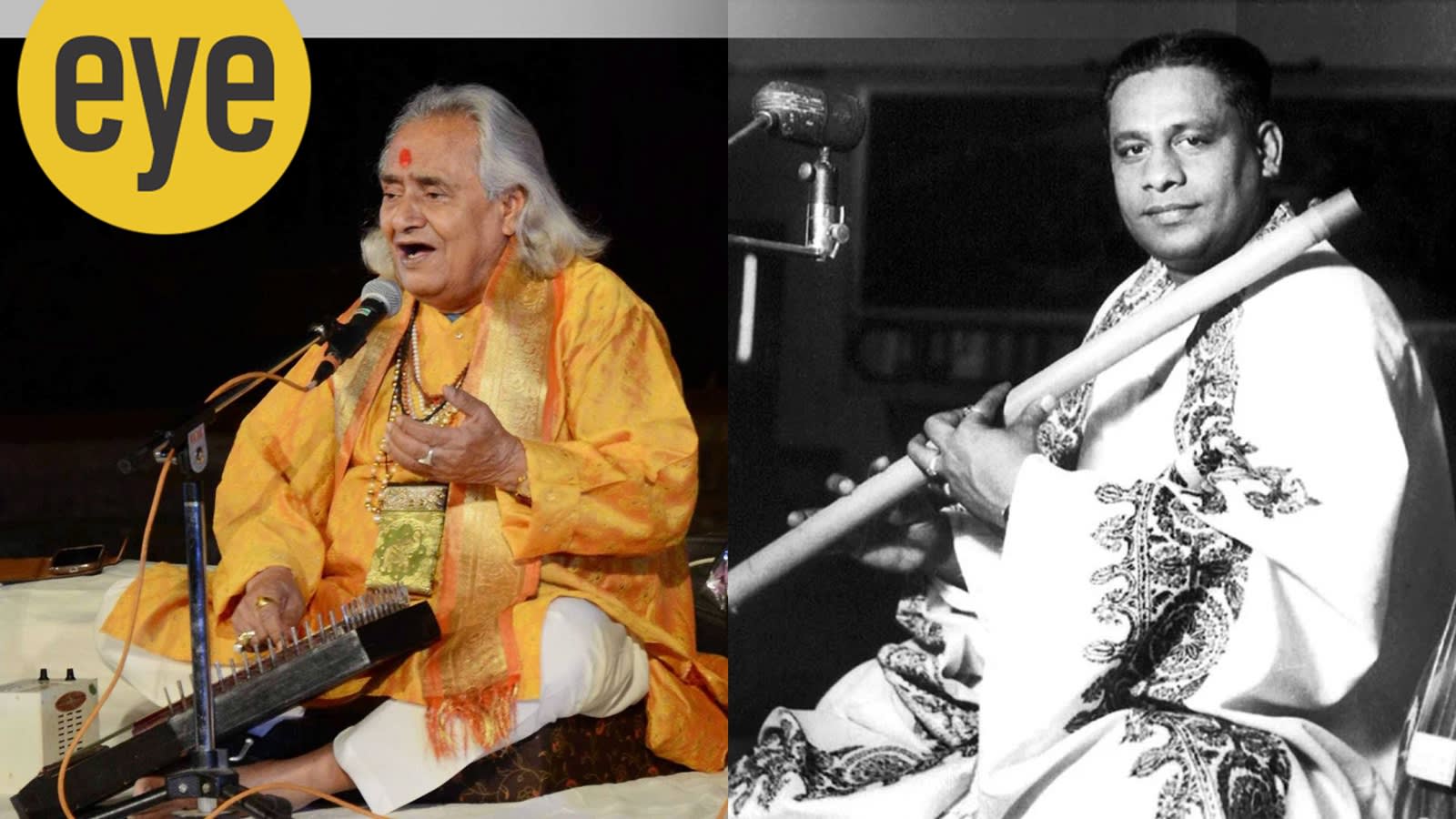
Diwali celebrations are shifting toward health-conscious choices, with a focus on mitigating the impact of pollution and dietary excess. Meanwhile, the cultural legacy of the festival is highlighted by the rare Hindustani classical 'Raag Deepavali' created by Pandit Pannalal Ghosh.
The Evolving Ethos of Diwali: Health, Heritage, and Harmony
Diwali, traditionally celebrated as the victory of light over darkness, is undergoing a profound transformation in contemporary India. As the festival approaches, the discourse has shifted from purely ritualistic observance to a critical examination of public health and cultural preservation. The convergence of rising non-communicable diseases and a renewed interest in mindful living suggests that the way we celebrate is being recalibrated to prioritize long-term well-being over traditional excesses.
The Health Imperative: Balancing Tradition with Physiology
India currently faces an escalating burden of non-communicable diseases, including diabetes, heart disease, and respiratory ailments. Modern discourse surrounding Diwali now highlights the dual pressures of environmental pollution—specifically the sulfur-laden air—and dietary habits. The transition of Diwali sweets from occasional prasad to a multi-day cycle of high-sugar, high-fat consumption using reused oils is increasingly viewed as a health risk rather than a festive necessity. Experts argue that reclaiming the festival requires a conscious effort to moderate these intakes to prevent metabolic deterioration.
A Shift in Social Dynamics and Dietary Choices
This transition is visibly manifesting in social settings. Recent experiences, such as the annual Diwali gatherings in Delhi, illustrate a growing trend toward dietary mindfulness. Hosts are reporting that guests arrive with full stomachs or a preference for lighter, protein-rich options, signaling a departure from the tradition of serving elaborate, deep-fried, and calorie-dense spreads. The phrase "carry your healthy spree" reflects a broader movement where social gatherings are no longer synonymous with indulgence, but rather with intentional, health-conscious consumption.
Musical Heritage: The Rare Raag Deepavali
Beyond the physiological, the cultural landscape of the festival is being revisited through the lens of classical music. While festivals like Holi have historically enjoyed extensive representation in the Hindustani classical tradition, Diwali has remained somewhat underrepresented. An exception is the pioneering work of flautist Pandit Pannalal Ghosh, a disciple of the legendary Ustad Allauddin Khan. Ghosh, who transformed the flute into a classical instrument, composed Raag Deepavali around 1946, offering a unique sonic identity to the festival that bridges the gap between folk origins and classical complexity.
Historical Context and Artistic Innovation
Pandit Pannalal Ghosh’s contribution to the Maihar gharana lineage underscores the importance of innovation within classical frameworks. By creating Raag Deepavali, Ghosh provided a rare, sophisticated musical articulation for the festival. This serves as a reminder that Diwali’s cultural significance is not static; it has been shaped by the creative interventions of masters who sought to elevate the festival’s spiritual and aesthetic resonance through their craft.
Conclusion: A Holistic Path Forward
Ultimately, the current Diwali narrative is one of synthesis. By integrating the ancient wisdom of the Rig Veda—which frames the lamp as a symbol of consciousness—with modern medical awareness and a deeper appreciation for classical artistic contributions, the festival is finding a new balance. The future of Diwali lies in this intersection: honoring the "victory of light" through healthier physical practices and a richer, more nuanced engagement with the cultural heritage that defines the season.