Do Japanese women experience menopause better because of their soy-rich diet?
Source Entity
The Indian Express
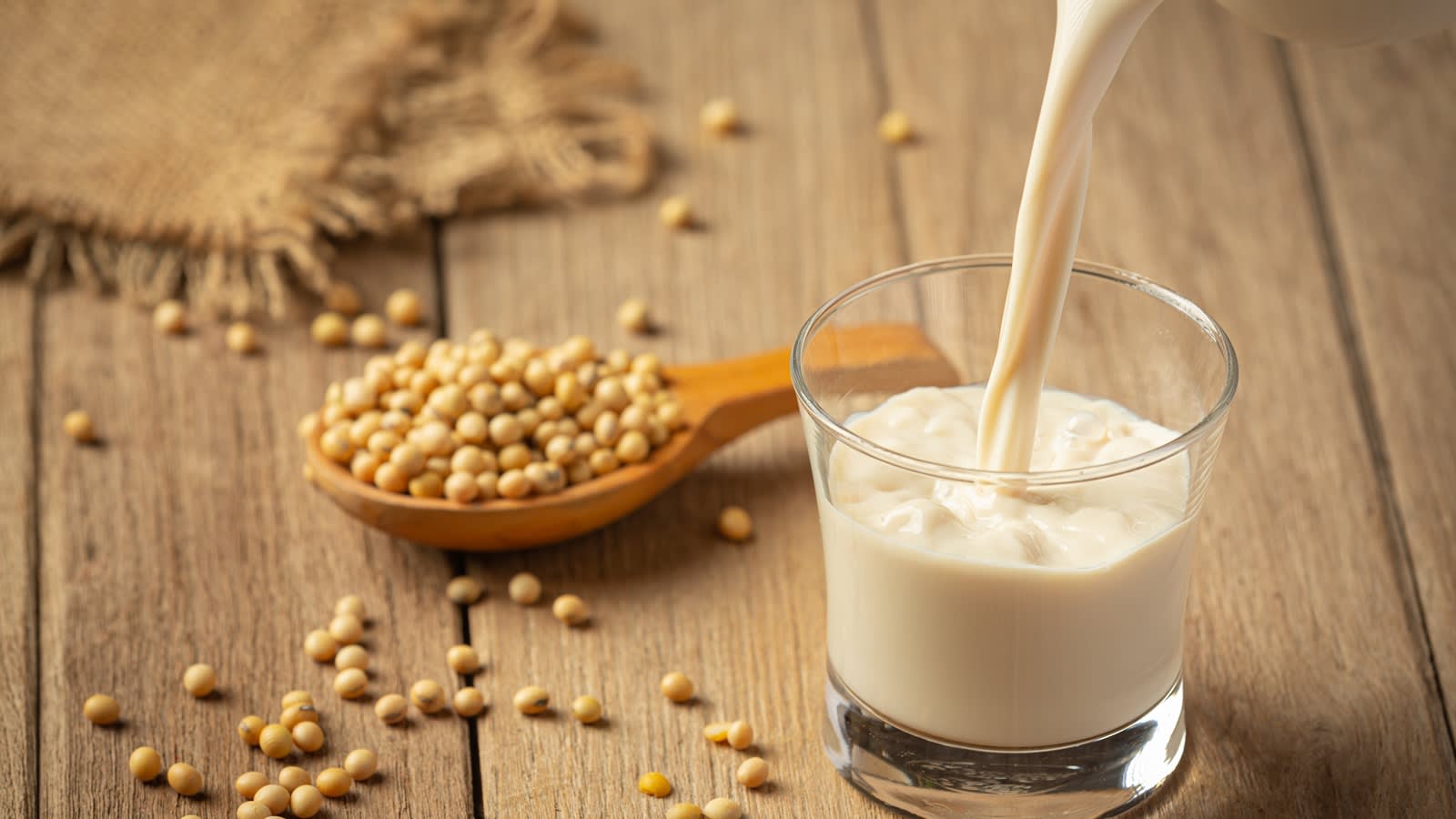
Dr. Nozer Sheriar attributes the smoother menopausal transition in Japanese women to a diet rich in soy-based phytoestrogens. He suggests that individuals lacking such dietary intake can utilize soy-derived isoflavone supplements as a nutraceutical alternative.
The Soy Connection: Analyzing Menopausal Health in Japan
Recent discussions on the Uncondition Yourself with Namita Thapar podcast have brought a long-standing nutritional hypothesis to the forefront: the correlation between soy-rich diets and the mitigation of menopausal symptoms in Japanese women. Dr. Nozer Sheriar, a prominent Mumbai-based gynaecologist and obstetrician, highlights that the physiological experience of menopause appears less disruptive for women in Japan, a phenomenon frequently attributed to their traditional dietary habits.
The Role of Phytoestrogens and Isoflavones
At the core of this observation are phytoestrogens—naturally occurring plant compounds that mimic the structure of human estrogen. Dr. Sheriar specifically identifies isoflavones found in soy as the primary active agents. By interacting with estrogen receptors in the body, these compounds may offer a mild, regulatory effect that helps stabilize the hormonal fluctuations typically associated with the transition into menopause, potentially reducing the severity of common symptoms like hot flashes and night sweats.
Cultural Diet vs. Modern Supplementation
Historically, the Japanese diet has relied heavily on soy products such as tofu, miso, and natto. However, Dr. Sheriar notes a critical distinction for modern, global populations: the difficulty of maintaining a purely Japanese-style diet in other cultural contexts. Because many women outside of Japan do not consume these foods in the quantities necessary to achieve the same therapeutic effects, he suggests that soy-derived isoflavones can be effectively administered as nutraceutical supplements.
Scientific Implications for Women's Health
This dietary approach represents a shift toward more integrative healthcare. By focusing on nutritional support, clinicians like Dr. Sheriar are exploring how ancestral dietary patterns can provide a blueprint for managing modern health challenges. The use of concentrated isoflavones serves as a bridge, allowing women to access the potential benefits of phytoestrogens without requiring a complete overhaul of their existing daily meal patterns.
Future Trends in Menopausal Management
As the medical community continues to refine its understanding of menopause, the focus is increasingly moving toward personalized nutrition and evidence-based supplementation. The synthesis of historical dietary wisdom with modern nutraceutical science suggests a future where menopausal management is less reliant solely on synthetic hormonal interventions and more inclusive of bio-identical or plant-based alternatives that support the body's natural transition.
Conclusion
In summary, the observation that Japanese women navigate menopause with fewer complications serves as a compelling case for the role of diet in hormonal health. While soy is not a cure-all, the expertise shared by Dr. Sheriar emphasizes that leveraging phytoestrogens—either through whole foods or targeted supplementation—offers a promising avenue for improving quality of life during this significant life stage.