‘Crackers will disturb ‘Doars Rani’: Bengal to ‘cage’ Buxa tigress that entered Assam
Source Entity
Ravik Bhattacharya
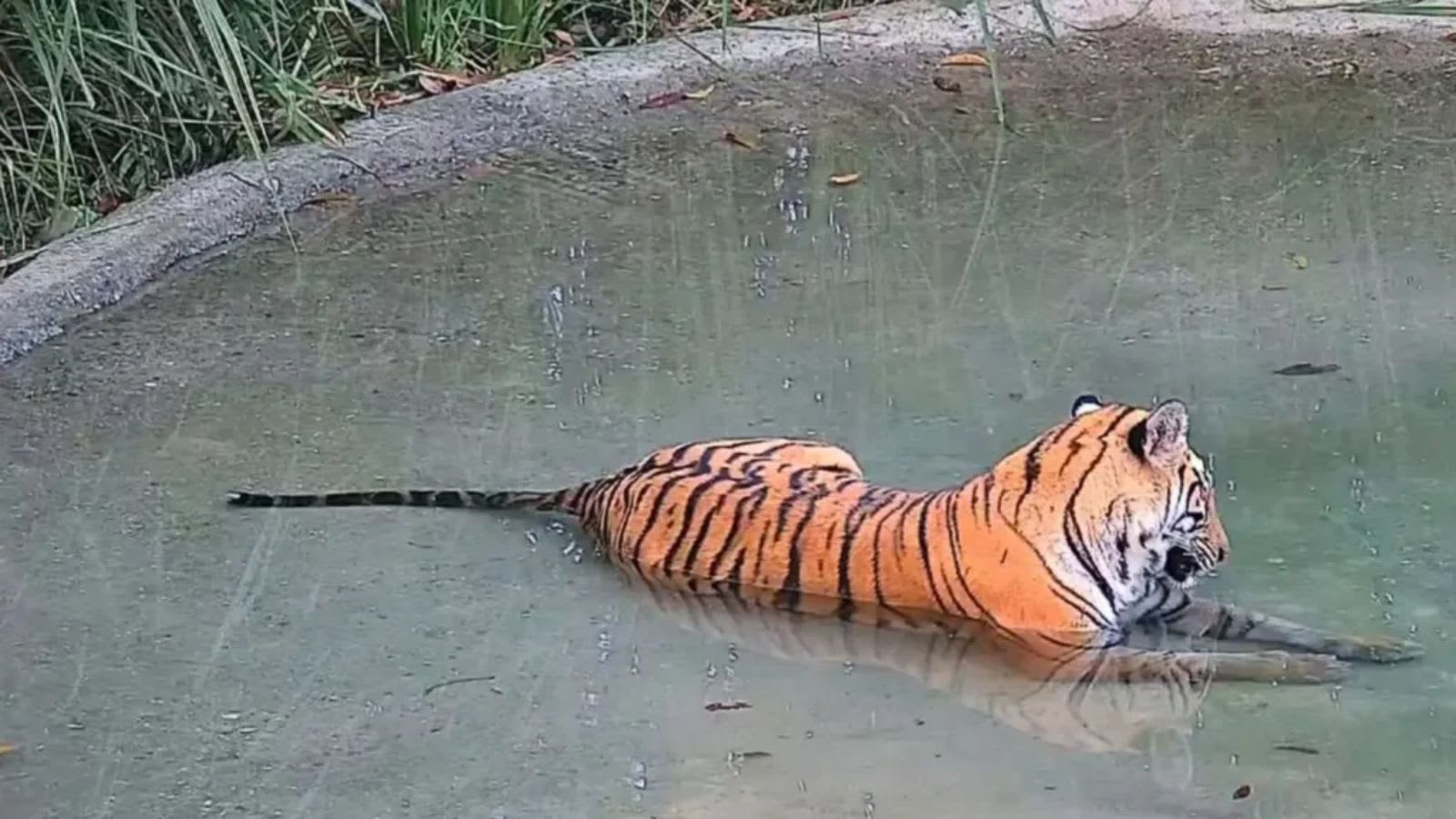
A tigress relocated from Bihar to West Bengal's Buxa Tiger Reserve has strayed 100km into Assam, causing human-wildlife conflict. West Bengal authorities are now coordinating with Assam and the NTCA to tranquilize and retrieve the animal.
The Migration of 'Doars Rani': A Case Study in Tiger Relocation Challenges
The recent movement of a three-year-old tigress, known as T-138 or 'Doars Rani', from West Bengal’s Buxa Tiger Reserve into the forests of Assam highlights the inherent complexities of wildlife conservation and translocation projects in India. Originally sourced from the Valmiki Tiger Reserve in Bihar, the tigress was introduced to Buxa on October 2, 2026, as part of West Bengal's inaugural tiger relocation initiative. This program was designed to bolster the predator population in the Buxa landscape, yet the animal’s unexpected 100-kilometer trek into Assam’s Raimona National Park underscores the unpredictable nature of territorial animals when placed in unfamiliar ecosystems.
The Human-Wildlife Conflict Escalation
Since entering Assam, the tigress has exhibited behavior consistent with an animal seeking a new territory, albeit at the expense of local livelihoods. Reports indicate that the tigress has preyed upon three domesticated pigs and four piglets near the forest villages of Hatigarh and Narayanpur. Such incidents of livestock depredation are a primary driver of human-wildlife conflict, posing an immediate threat to the safety of local residents and the long-term acceptance of the relocation project by neighboring communities. The proximity of the animal to human settlements has necessitated urgent intervention from both state forest departments.
Cross-State Administrative Coordination
Managing a wide-ranging predator across state borders requires seamless inter-departmental cooperation. West Bengal Forest Minister Manoj Oraon has taken a proactive stance, conducting on-site inspections in Raimona and holding high-level meetings with Assam forest officials. The administrative response is currently focused on securing the necessary legal and ethical clearances, specifically involving the National Tiger Conservation Authority (NTCA). By seeking formal permission to capture the tigress, authorities aim to mitigate the risk of injury to both the wildlife and the local human population.
The Logistics of Tranquilization and Retrieval
Retrieving a tigress that has traveled such a significant distance is a high-stakes operation. The proposed plan to tranquilize and cage the animal is viewed as a 'last resort' by the West Bengal government, necessitated by the animal's current trajectory away from the intended Buxa habitat. The primary challenge lies in the physical capture, which requires precision to ensure the welfare of the tigress, followed by the logistical task of transporting a large predator back to its release site or an alternative holding facility.
Broader Implications for Conservation Policy
This incident serves as a critical learning opportunity for future tiger reintroduction programs. It raises questions regarding the fidelity of relocated tigers to their designated habitats and the ecological connectivity between forest reserves. As India continues to expand its tiger corridors, the case of 'Doars Rani' demonstrates that translocation is not merely a biological challenge but a socio-political one that requires robust monitoring protocols. The success of future conservation efforts will depend on the ability of forest departments to adapt to the individual behavioral traits of relocated animals.
Future Trends and Outlook
Moving forward, the focus will likely shift toward enhanced surveillance and community engagement. Should the retrieval be successful, the forest department will need to evaluate whether the Buxa reserve is the right environment for this specific tigress or if further behavioral conditioning is required. The ongoing collaboration between Bengal and Assam sets a positive precedent for regional conservation efforts, proving that even in the face of unexpected wildlife movement, interstate cooperation remains the most viable path toward sustainable human-wildlife co-existence.