DoorDash is building its own drone delivery business
Source Entity
Kirsten Korosec
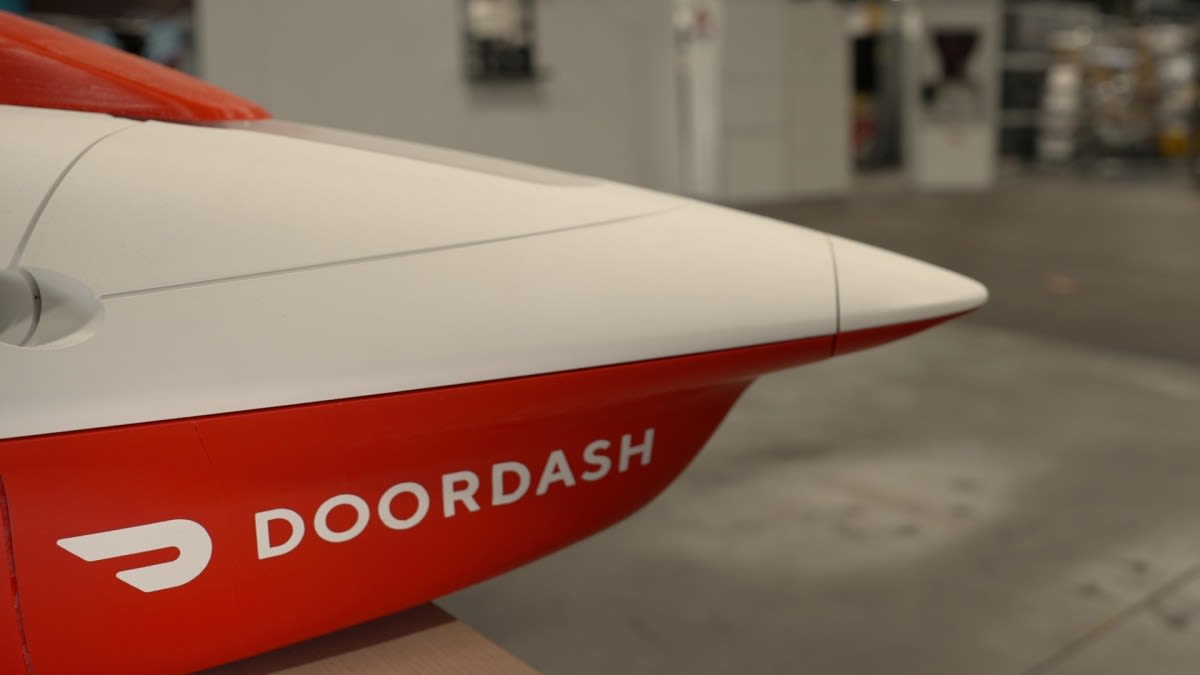
DoorDash has received FAA Part 135 certification to launch 'DoorDash Air,' a proprietary drone delivery division. The company is developing custom aircraft to integrate autonomous delivery into its existing platform.
DoorDash Takes to the Skies: An Analysis of 'DoorDash Air'
DoorDash has officially entered the race for autonomous aerial logistics with the announcement of its new division, 'DoorDash Air.' By securing the critical Part 135 air carrier certification from the U.S. Federal Aviation Administration (FAA), the company has cleared the most significant regulatory hurdle required to operate commercial drone delivery services within the United States. This move marks a strategic shift from being a purely software-driven logistics platform to an operator of its own proprietary aviation hardware.
The Significance of Part 135 Certification
The acquisition of Part 135 certification is a transformative milestone for any logistics firm. This designation is the gold standard for commercial drone operations, placing DoorDash in an elite category alongside established industry players like Alphabet’s Wing, Zipline, and Amazon. This certification is not easily obtained, as it requires rigorous proof of safety protocols, maintenance standards, and operational reliability. By meeting these federal benchmarks, DoorDash has demonstrated that its robotics and autonomy team has matured enough to move beyond theoretical research into live, regulated airspace.
Proprietary Technology vs. Third-Party Partnerships
Historically, DoorDash has experimented with drone delivery through strategic partnerships, most notably collaborating with Wing. However, the launch of DoorDash Air signals a pivot toward vertical integration. By developing its own custom-built aircraft, the company is attempting to exert greater control over the end-to-end user experience. This suggests a long-term goal of optimizing the drone’s form factor, payload capacity, and battery efficiency specifically for the unique demands of food and small-package delivery, rather than relying on off-the-shelf solutions designed for general logistics.
Operational Challenges and Timeline Realities
Despite the excitement surrounding this FAA approval, the company has been measured in its communications, emphasizing that immediate, widespread deployment is not on the horizon. The transition from certification to commercial viability involves complex logistical challenges, including airspace management, noise mitigation, and community acceptance. DoorDash has indicated that it will likely rely on limited pilot programs to test these aircraft in controlled environments before expanding to broader, consumer-facing operations. These pilots will serve as a crucial feedback loop for refining their autonomous navigation systems.
Broader Implications for the Gig Economy
The introduction of drone delivery has the potential to fundamentally alter the economics of the last-mile delivery sector. By removing the need for a human driver for short-distance, lightweight orders, DoorDash could significantly reduce labor costs and delivery times. If successful, this technology could alleviate urban congestion caused by delivery vehicles and provide a more sustainable, energy-efficient alternative to gas-powered cars. As the company integrates these drones into its existing delivery app, it will likely seek to create a seamless hybrid model where drones handle specific order types while human drivers continue to manage more complex, large-scale, or long-distance deliveries.
Future Trends in Autonomous Delivery
Looking ahead, DoorDash’s entry into the drone space validates the industry's belief that autonomous aerial transport is a core component of the future of e-commerce. As regulators continue to update policies to accommodate unmanned aerial vehicles, we can expect a rapid acceleration in the density of delivery drones in suburban and urban skies. DoorDash is positioning itself to be a primary architect of this new infrastructure, ensuring that they remain a dominant force in the delivery landscape as the technology evolves from experimental pilot programs to an essential utility for modern consumers.