Can hair loss be predicted before it starts? Plastic surgeon Dr Debraj Shome reveals
Source Entity
Latest News: Todays Latest News Headlines from India & World | Hindustan Times | Hindustan Times
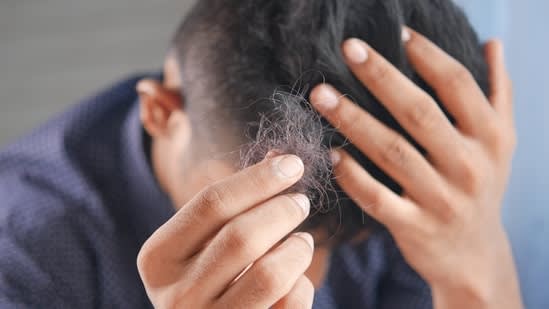
Plastic surgeon Dr. Debraj Shome is shifting hair loss treatment from reactive measures to early, data-driven predictions. By utilizing a new 12-item 'Hair Ageing Index,' the approach treats hair health as a chronic condition requiring structured risk assessment.
The Paradigm Shift in Hair Restoration: Beyond Reactive Care
For decades, the standard approach to hair loss has been predominantly reactive. Patients typically sought medical intervention only after experiencing visible thinning or significant scalp exposure, often when the damage to hair follicles was already advanced. Plastic surgeon Dr. Debraj Shome is challenging this traditional model by advocating for a proactive, diagnostic-first strategy that prioritizes early detection and biological profiling over cosmetic 'mirror checks.'
The Science of the Hair Ageing Index (HAI)
At the core of this innovative methodology is a patent-pending diagnostic framework designed to quantify hair health objectively. Rather than relying on subjective complaints of thinning, Dr. Shome’s protocol utilizes a 12-item 'Hair Ageing Index (HAI).' This index generates a specific 'hair biology score,' transforming anecdotal observations into actionable, measurable data. By standardizing the assessment process, clinicians can identify the unique biological drivers—ranging from hormonal fluctuations to environmental stressors—that contribute to an individual’s specific pattern of hair loss.
Hair Health as a Chronic Condition
Dr. Shome argues that hair loss should be managed with the same clinical rigor as any other chronic medical condition. By framing hair health within a structured risk assessment model, the approach moves away from the 'one-size-fits-all' treatments that have historically dominated the market. This systemic shift suggests that personalized medicine, which has revolutionized oncology and endocrinology, is now becoming a critical component of dermatological and aesthetic health, ensuring that interventions are tailored to the root cause of the pathology.
Moving Away from Visual Observation
Historically, the diagnostic threshold for hair loss was visual observation, a method inherently prone to delay and inaccuracy. Dr. Shome’s emphasis on moving beyond the mirror highlights a broader trend in modern medicine: the transition toward biomarkers and predictive diagnostics. By identifying the triggers of hair loss before they manifest in substantial volume loss, clinicians can implement preventative protocols that are far more effective than trying to resuscitate dormant follicles after they have already undergone miniaturization.
Future Implications for Trichology
This diagnostic framework signals a significant evolution in the field of trichology. As patients become increasingly educated, the demand for evidence-based, data-backed treatments will likely grow. The integration of a 'hair biology score' allows for a more transparent doctor-patient relationship, where progress can be tracked quantitatively. If this model gains wider adoption, it could set a new industry standard for how dermatologists and plastic surgeons evaluate and treat hair-related conditions, ultimately leading to better long-term outcomes for patients worldwide.
Verification Required?