Driving Licence Address Change May Soon Be Free, Auto-Approved In 30 Days
Source Entity
NDTV News Search Records Found 1000
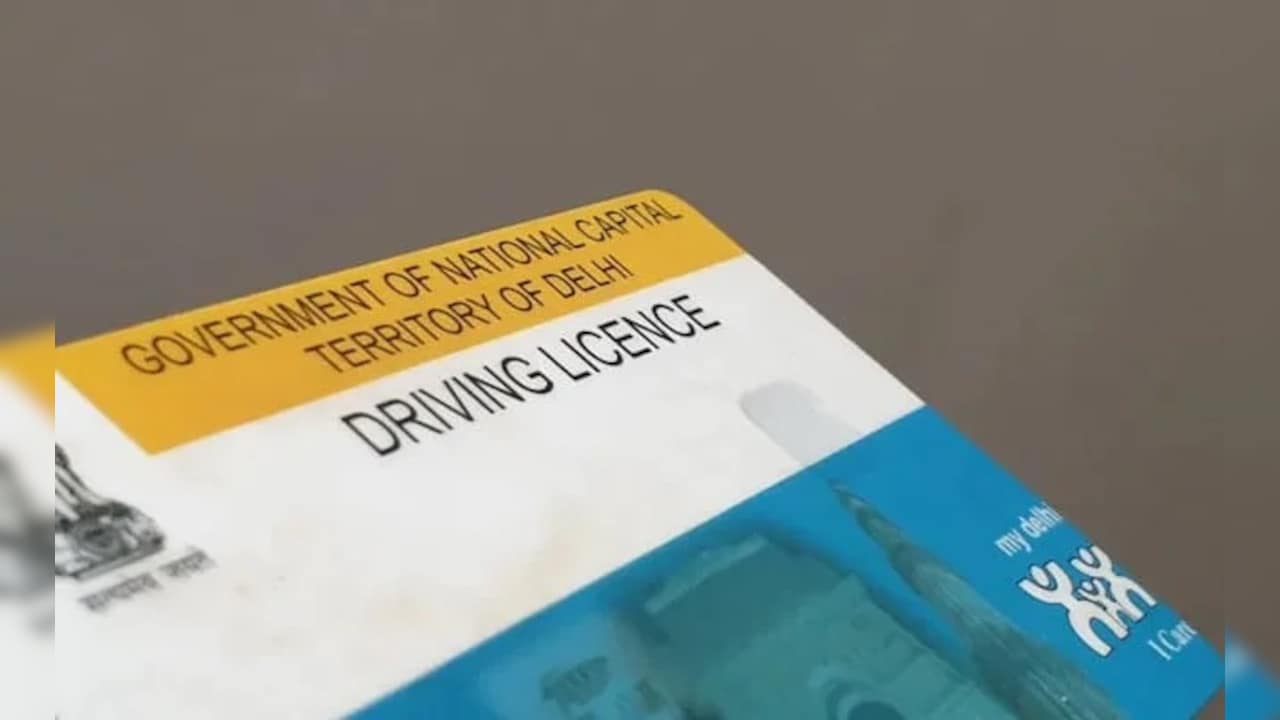
The government is considering a streamlined, free, and automated process for updating driving licence addresses within 30 days. This initiative aims to simplify bureaucratic procedures for citizens.
Streamlining Administrative Processes for Driving Licences
Recent reports indicate a significant shift in how transportation authorities are approaching the management of personal identification data. The proposal to make address changes on driving licences both free of charge and subject to auto-approval within a 30-day window represents a major push toward digital governance. By reducing the financial and temporal barriers associated with updating official documents, the government is signaling a commitment to administrative efficiency.
The Mechanics of Auto-Approval
The shift toward auto-approval mechanisms suggests that the backend infrastructure for motor vehicle databases is becoming increasingly integrated. Historically, changing an address on a driving licence was a cumbersome process requiring manual verification, physical visits to regional transport offices, and various processing fees. Automating this within a 30-day framework implies a transition toward a trust-based verification system, likely supported by existing digital identity databases.
Implications for Digital Identity
This move is part of a broader trend of digitizing civic documentation. As citizens move more frequently for work or lifestyle reasons, the ability to maintain accurate records is essential for law enforcement, insurance processing, and emergency services. By simplifying the address update process, authorities can ensure that the national database remains current, which is a critical component of modern identity management.
Reducing Bureaucratic Friction
The introduction of a free-of-cost provision for address updates is a notable policy change aimed at increasing compliance. When administrative tasks are costly or time-consuming, citizens are less likely to keep their information updated. By removing these hurdles, the system incentivizes users to stay compliant with local regulations, thereby improving the overall accuracy of the national transportation registry.
Future Trends and Conclusion
Looking ahead, this policy reflects a movement toward 'paperless' administration. If successful, this model of auto-approval could be replicated across other government services, such as vehicle registration or permit renewals. Ultimately, the integration of automated systems for minor record changes serves to reduce the administrative burden on both the state and the public, creating a more responsive and user-friendly civic infrastructure.
Verification Required?