Dutch Computer Museums
Source Entity
Hacker News
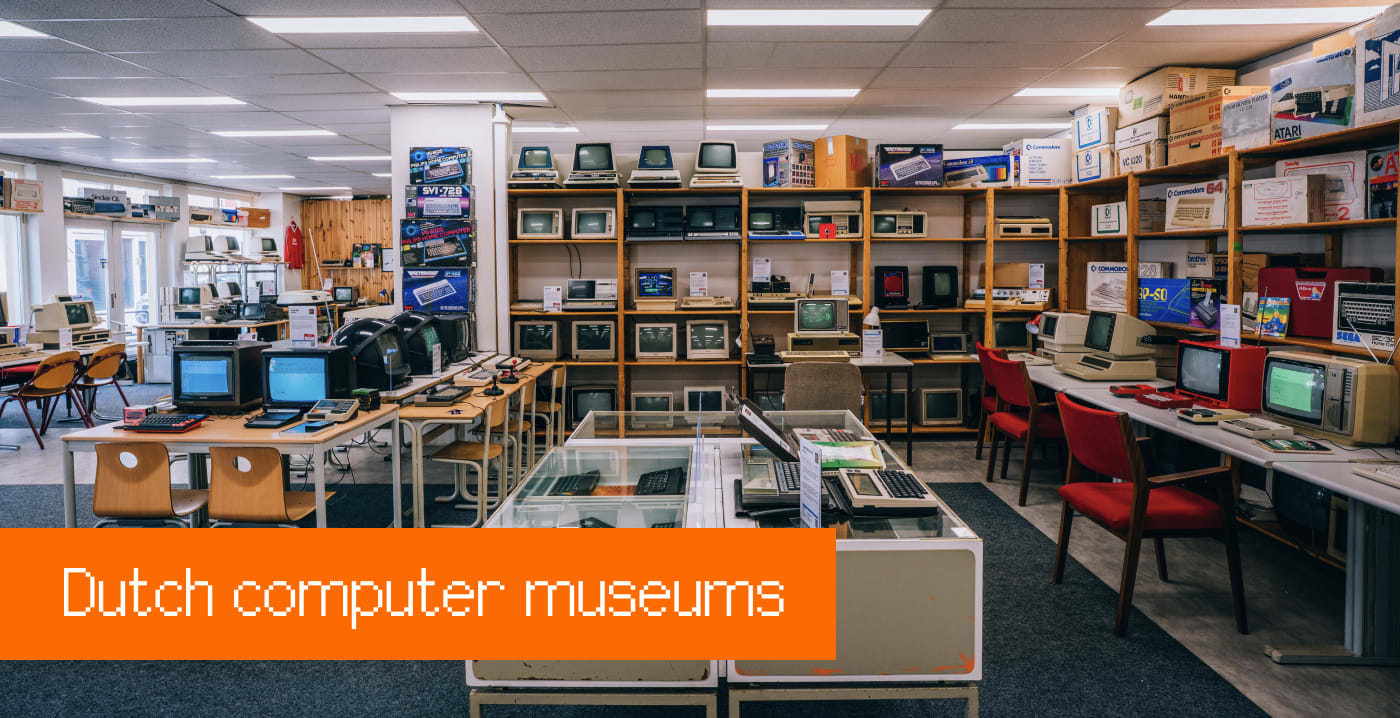
Marcin Wichary's 2022 archive documents visits to two prominent Dutch computer museums, the HomeComputerMuseum and Bonami SpelComputer Museum. These institutions focus on preserving computing history through interactive displays and vast collections of vintage hardware.
The Preservation of Computing Heritage in the Netherlands
In a digital age where hardware becomes obsolete with startling velocity, the efforts of institutions like the HomeComputerMuseum in Helmond and the Bonami SpelComputer Museum in Zwolle serve as vital cultural repositories. As documented by Marcin Wichary in his 2022 archive, these museums go beyond simple static displays, opting instead for a "living room" philosophy that invites visitors to engage directly with the machines that defined the late 20th century.
The Living Room Experience in Helmond
The HomeComputerMuseum in Helmond distinguishes itself by housing over 500 computers, primarily dating from the 1980s onward. The core mission here is accessibility; by keeping many of these machines functional, the museum bridges the gap between historical artifact and interactive technology. This approach forces a unique challenge for curators: balancing the authenticity of original hardware with the practical reality that modern users may lack the intuitive knowledge required to operate legacy systems.
Industrial Scale at Bonami SpelComputer Museum
Contrastingly, the Bonami SpelComputer Museum in Zwolle operates on a "warehouse" scale, reflecting the sheer volume and diversity of the home computing and gaming revolution. By housing a vast collection, these museums provide a necessary physical anchor for the history of digital logic and gaming, which otherwise risks being lost to the ephemeral nature of cloud storage and software-only emulation.
The Challenges of Functional Curatorship
A critical insight shared by staff at these institutions is the difficulty of maintaining functional vintage hardware. While the capacity to power up these systems exists, the lack of "prior relationships" or user experience among younger generations presents a barrier to engagement. This necessitates a delicate balance: how to provide educational context without overwhelming the visitor with the technical complexities of operating 40-year-old operating systems.
Broader Implications for Tech History
These Dutch museums are part of a global movement to treat early personal computing as a formal heritage. By preserving not just the hardware, but the user experience—the tactile feeling of keyboards, the hum of cathode-ray tubes, and the specific limitations of early processors—they ensure that the evolution of modern computing remains grounded in its physical roots.
Future Trends in Digital Preservation
As we look forward, the role of such museums will only grow in importance. Future trends will likely see these institutions adopting more robust digital archiving practices alongside their physical collections, ensuring that both the software and the physical machines are preserved for future generations. The work done in Helmond and Zwolle serves as a blueprint for how to maintain the legacy of the digital revolution in a tangible, meaningful way.