SIR row: Cong makes fresh push to impeach CEC Gyanesh Kumar, rallies oppn
Source Entity
AASTHA JHA
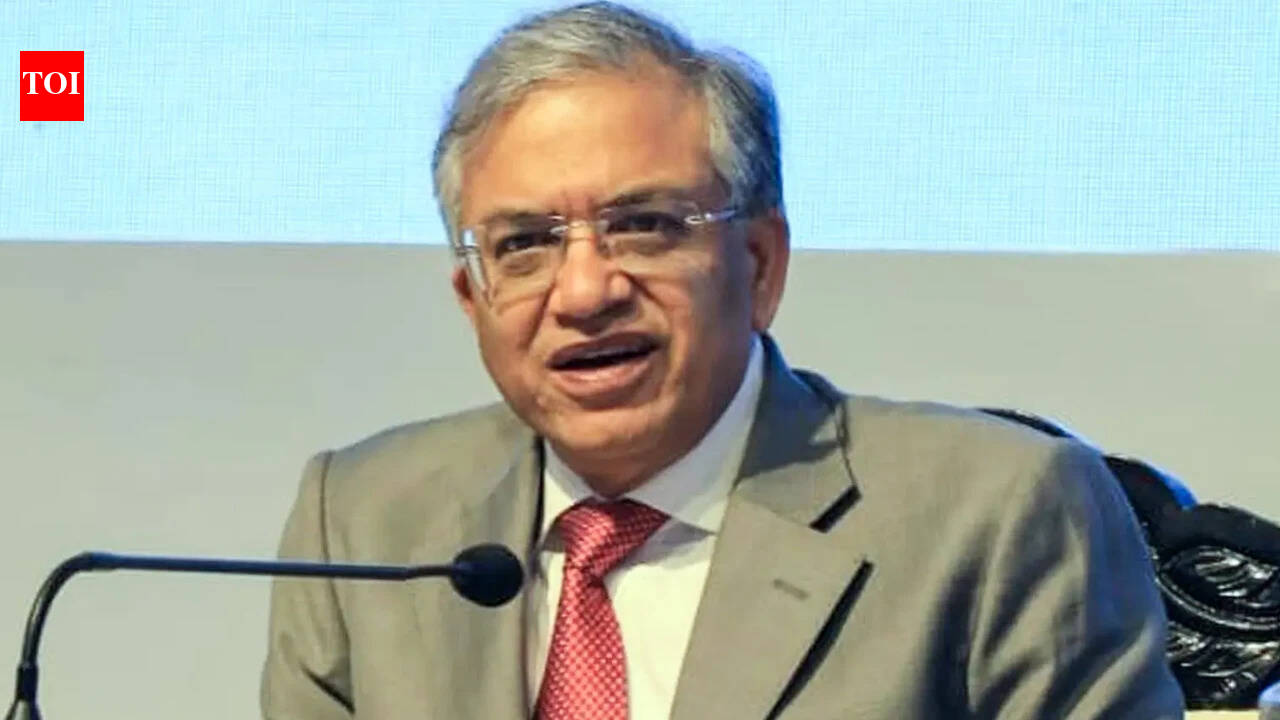
Former Delhi CM Arvind Kejriwal has demanded the arrest of CEC Gyanesh Kumar following reports of internal dissent within the Election Commission. Opposition parties are now pursuing a formal motion in Parliament to remove the CEC over controversial electoral roll revisions.
The Crisis of Institutional Integrity: An Investigation into the Election Commission
Recent revelations from The Indian Express have ignited a significant political firestorm, centering on allegations of procedural misconduct within the Election Commission of India (ECI). At the heart of this controversy is Chief Election Commissioner (CEC) Gyanesh Kumar, whose leadership has come under intense scrutiny following reports of an unprecedented rupture within the poll panel. The core of the dispute involves the Special Intensive Revision (SIR) of electoral rolls, a process intended to verify voter lists but which has instead become a lightning rod for accusations of systemic bias.
The Internal Rupture
According to investigative findings, the two other Election Commissioners, Sukhbir Singh Sandhu and Vivek Joshi, formally raised objections at least 14 times over a 10-month period regarding the ECI’s decision-making processes. These objections specifically targeted the SIR, a house-to-house verification exercise that critics claim has resulted in the wrongful exclusion of legitimate voters. This internal discord suggests that the ECI, historically regarded as an autonomous constitutional body, has been operating under a centralized authority that potentially marginalizes the collective input of its members.
Kejriwal’s Call for Accountability
Former Delhi Chief Minister Arvind Kejriwal has responded to these reports with a demand for the immediate arrest and prosecution of Gyanesh Kumar. Kejriwal’s rhetoric, delivered at a recent press conference, underscores a deep-seated distrust in the current administration of the Commission. He has further demanded the cancellation of recent state Assembly elections in regions including Delhi, Maharashtra, and West Bengal, arguing that the integrity of these democratic exercises was compromised by the alleged unilateral decision-making of the CEC.
Legislative Challenges and the Removal Process
In response to these developments, Opposition parties, including the Trinamool Congress, are mobilizing to move a notice in Parliament seeking the removal of the CEC. This process is legally complex; under current laws, the CEC enjoys protections similar to a Supreme Court judge, making their removal a significant parliamentary hurdle. Conversely, the other Election Commissioners do not possess the same level of legal immunity, creating a power imbalance that many argue exacerbates the potential for executive overreach within the commission.
Contextualizing the Appointment Controversy
Gyanesh Kumar’s tenure is particularly notable as he is the first CEC appointed under a contentious new law that grants the government a distinct advantage in the selection panel. Critics, led by the Congress party, argue that this legislative change has effectively compromised the Commission's independence. By consolidating influence over the selection process, the current administration has faced persistent allegations of utilizing the ECI to secure political advantages, a charge that the CEC has formally and consistently denied.
Future Implications for Indian Democracy
The ongoing conflict represents a critical juncture for Indian electoral governance. The demand for the reinstatement of electoral rolls from three years ago and the calls for fresh elections signal a profound crisis of confidence. As the Opposition gathers signatures for a formal motion, the focus remains on whether Parliament can provide a mechanism for accountability that restores public trust in the ECI. The outcome of this political standoff will likely dictate the future of electoral oversight and set a precedent for how constitutional bodies navigate internal dissent and external political pressure.
Multiple Citing Sources