SIR Phase-3: Over 84,000 deleted for ‘other’ reasons in two states, one UT
Source Entity
Damini Nath
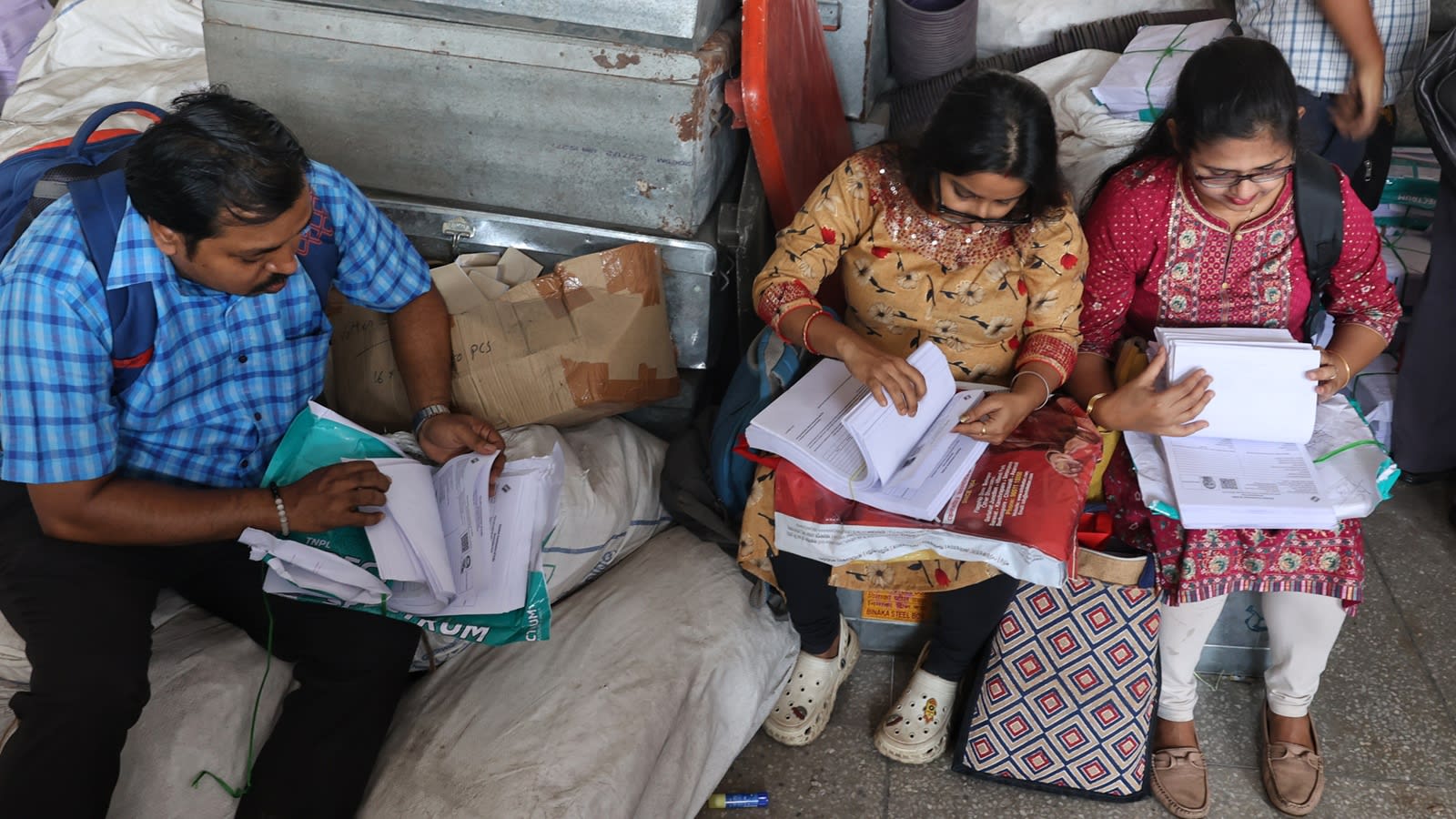
The Election Commission of India's third phase of Special Intensive Revision has led to the deletion of over 84,000 electors under a new, unexplained 'other' category. The EC has not yet clarified the criteria for these deletions or the rollout date of this new classification.
Analysis of the Election Commission's Special Intensive Revision (SIR) Phase-3
The Emergence of the 'Other' Category
The ongoing third round of the Election Commission’s (EC) Special Intensive Revision (SIR) has brought to light a concerning administrative anomaly: the deletion of over 84,000 electors across two states and one Union Territory under a classification labeled as "other." This specific category is particularly noteworthy because it was entirely absent from the first two phases of the revision exercise. The introduction of a vague classification for the removal of voting rights suggests a shift in the EC's methodology, yet the commission has remained silent regarding the specific criteria used to categorize these voters or when exactly this new protocol was implemented.
Scope and Timeline of the Revision Process
Launched on May 14, the third phase of the SIR is a massive undertaking covering 16 states and three Union Territories, with a scheduled completion date in December of this year. The process is being executed in stages to ensure the accuracy of electoral rolls. According to the official schedule, draft rolls for several regions—including Odisha, Mizoram, Sikkim, Manipur, Uttarakhand, and the UT of Dadra and Nagar Haveli & Daman and Diu—were published during the first two weeks of July. This timeline indicates a structured approach to updating voter lists, but the sudden appearance of the "other" category disrupts the perceived transparency of the operation.
Implications for Electoral Integrity
In any democratic framework, the integrity of the electoral roll is paramount, as it serves as the foundation for free and fair elections. Typically, deletions from voter lists are categorized by clear, factual reasons such as the death of the voter, permanent shifting of residence, or the identification of duplicate entries. By utilizing an undefined "other" category for tens of thousands of citizens, the EC risks creating a perception of arbitrary disenfranchisement. Without clear definitions, it becomes difficult for observers or the affected citizens to challenge these deletions, potentially undermining trust in the electoral process.
Administrative Transparency and Accountability
The refusal or failure of the Election Commission to respond to requests for comment regarding the "other" category highlights a gap in administrative accountability. For a body tasked with overseeing the democratic process, transparency in how voter lists are purged is critical. The lack of a public explanation regarding who falls into this new category—whether they are suspected of fraud, missing documentation, or some other administrative quirk—leaves the process open to speculation and legal scrutiny, especially as the revision continues toward its December deadline.
Future Trends and Democratic Outlook
Looking forward, it is likely that the use of this "other" category will become a point of contention for political parties and civil society organizations. As more draft rolls are published across the remaining states and UTs, the total number of deletions under this ambiguous heading may rise, potentially leading to petitions in high courts or the Supreme Court to compel the EC to disclose its criteria. The trend suggests a move toward more aggressive cleaning of rolls, but if not matched by transparency, it could lead to significant electoral disputes during the actual polling phases.
Conclusion
While the Special Intensive Revision is a necessary administrative tool to ensure that only eligible voters remain on the rolls, the introduction of an opaque "other" category for over 84,000 deletions is a red flag. The juxtaposition of a strictly timed schedule—from May to December—with a lack of clarity on deletion criteria creates a tension between efficiency and transparency. For the SIR Phase-3 to be viewed as legitimate, the Election Commission must provide a detailed breakdown of the "other" category to ensure that no eligible voter is erroneously stripped of their right to vote.