Economists want Warsh to share more on his view of the economy at Jackson Hole, says CNBC survey
Source Entity
US Top News and Analysis
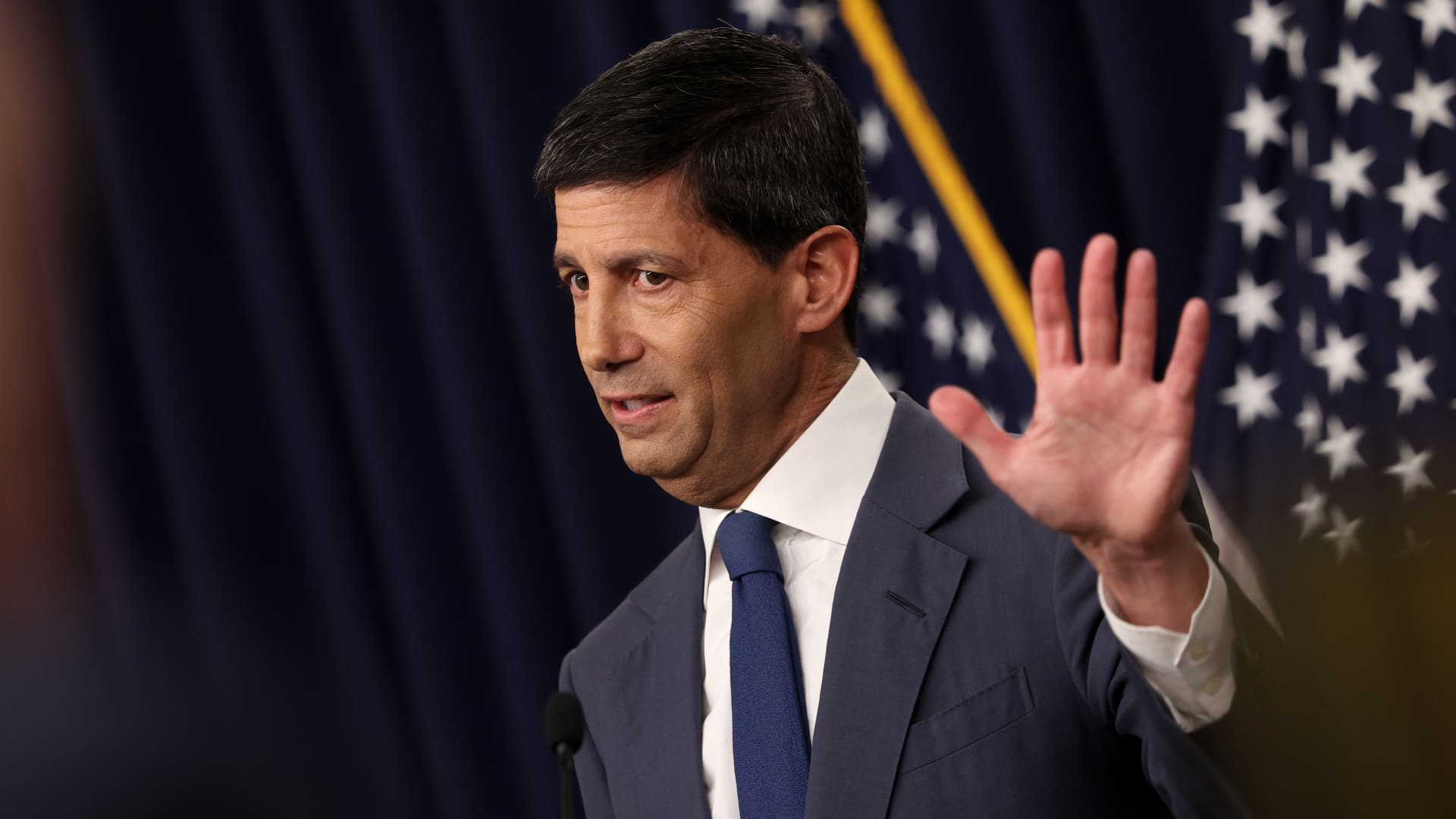
Economists surveyed by CNBC are calling for greater transparency from Fed Chairman Warsh regarding his economic outlook ahead of his Jackson Hole keynote. The survey highlights market anxiety over inflation and interest rates, emphasizing a need for clearer communication.
Market Anticipation for the Jackson Hole Keynote
The upcoming annual Federal Reserve conference in Jackson Hole has become the focal point for global financial markets, as investors and analysts alike look for clarity on the trajectory of U.S. monetary policy. According to the recent CNBC Fed Survey, there is a palpable demand for transparency from Fed Chairman Warsh. With 80% of the 31 respondents calling for deeper insight into his personal economic philosophy, it is clear that the market is struggling to reconcile current volatility with the Federal Reserve’s long-term strategy.
The Need for Institutional Clarity
The central tension identified in the survey is the desire for the Fed Chairman to move beyond standard policy rhetoric. As Kathy Bostjancic of Nationwide noted, this specific address is critical due to the recent spike in long-term interest rates. Markets are currently operating under a cloud of high uncertainty regarding both the path of inflation and the Fed's 'reaction function'—the internal logic by which the central bank adjusts policy in response to incoming economic data. Without a clear signal from leadership, market participants are left to speculate, which in turn fuels unnecessary volatility.
Dissecting the Policy Outlook Divide
Interestingly, while the consensus for more transparency is high, the survey reveals a stark divide on the specifics of that communication. Respondents are split 48% to 48% on whether the Chairman should explicitly provide his views on the future rate outlook. This hesitation reflects a broader debate within the economic community: should the Fed provide forward guidance that might lock them into a specific path, or should they maintain tactical flexibility to respond to rapidly shifting macroeconomic indicators? This split underscores the difficulty of balancing market expectations with the necessity of data-dependent policy.
The Shift from Treasury to Fed Leadership
A significant takeaway from the survey is the expressed preference for the Fed to take the lead in economic signaling, with respondents explicitly calling for less intervention from the Treasury Secretary. This suggests that the market views the Federal Reserve as the primary stabilizing force in the current economic climate. By prioritizing the Fed's messaging, the financial sector is signaling that they view monetary policy as the most reliable lever for managing inflation, rather than the political or fiscal maneuvers often associated with the Treasury.
Future Implications for Monetary Policy
As Chairman Warsh prepares for his first keynote at this marquee event, the stakes are exceptionally high. The market is not just looking for a summary of current conditions; they are looking for a cohesive narrative that explains how the Federal Reserve plans to navigate the current inflationary environment. If the Chairman successfully articulates a clear and consistent vision, it could serve to anchor long-term interest rates and reduce the current level of market anxiety. Conversely, a vague or contradictory address could lead to further market instability, highlighting the delicate balance the Fed must strike between communication and policy execution.