Seven dead and more than 100 injured after trains collide in Egypt
Source Entity
BBC News
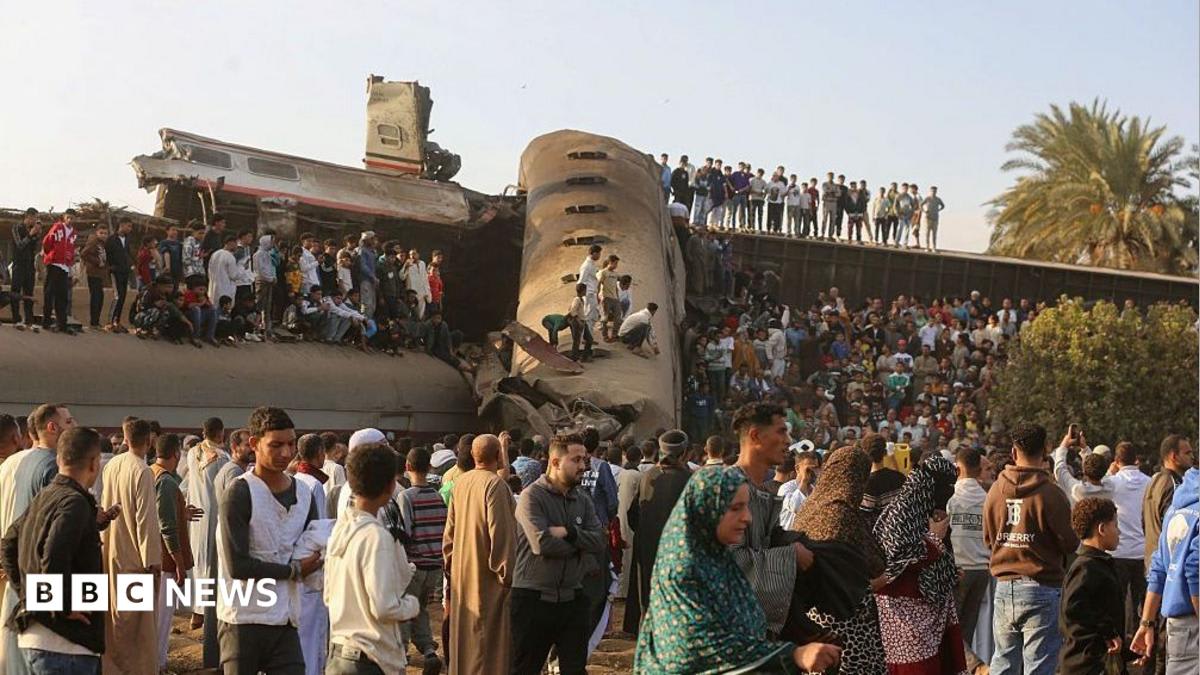
A tragic train collision in Egypt's Giza province has resulted in at least seven deaths and over 100 injuries. Authorities have launched an investigation into the crash, with President Abdel Fattah al-Sisi pledging to hold negligent parties accountable.
Tragedy in Giza: Analyzing the Recent Railway Collision
A devastating rail accident occurred in Egypt’s Giza province, where a collision between two passenger trains resulted in at least seven confirmed fatalities and over 100 injuries. The incident took place in the Al-Ayyat district, situated on the outskirts of Cairo, when a train traveling from Giza to Fayoum struck the rear of a train moving from Cairo toward Aswan. The force of the impact caused multiple carriages to derail and tumble down an embankment, necessitating a massive emergency response to extract passengers from the wreckage.
The Scope of the Crisis
Initial reports from local media and the Egyptian health ministry provided varying figures as the situation unfolded, with early estimates suggesting 64 injuries before numbers climbed to over 100. As rescue operations proceeded, imagery from the scene depicted overturned carriages surrounded by civilians and emergency responders searching for survivors. The public prosecutor's office has cautioned that the death toll may continue to rise as search and rescue efforts transition into a thorough investigation of the site.
Accountability and Official Response
In the immediate aftermath, Egyptian President Abdel Fattah al-Sisi issued a formal directive to state authorities to launch a comprehensive investigation into the circumstances surrounding the crash. The President emphasized a commitment to accountability, stating that any individual found to have been negligent in the operation or maintenance of the rail line would face consequences. This underscores the government's sensitivity to public safety concerns regarding infrastructure.
Structural Context of Egyptian Rail
This collision highlights the ongoing challenges faced by Egypt’s aging railway infrastructure. The Al-Ayyat district has historically been the site of previous rail accidents, making this incident particularly concerning for commuters and the state. The fact that both trains were traveling in the same direction toward southern destinations suggests potential failures in signaling, communication, or human error in monitoring the distance between the two locomotives.
Future Trends and Safety Implications
Moving forward, the Egyptian government is likely to face increased pressure to accelerate modernization efforts across its national rail network. The focus will shift from immediate emergency relief to identifying the specific mechanical or procedural failures that allowed two passenger trains to occupy the same section of track. The outcome of the ongoing investigation will be critical in determining whether the accident was a result of systemic neglect or isolated human error, and it will likely dictate future safety protocols for the nation's transit sector.
Multiple Citing Sources