One more chance for excluded voters in Delhi, 6 other states
Source Entity
BHARTI JAIN
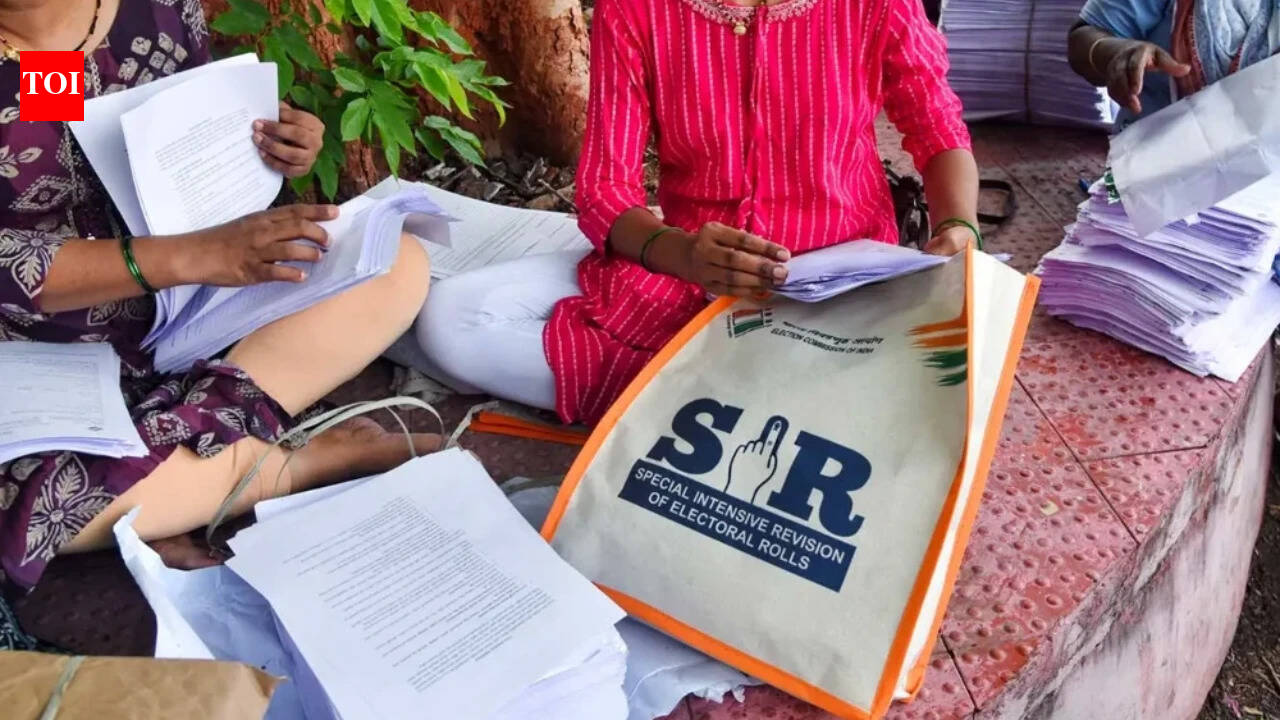
The Election Commission has granted voters in seven states a fresh opportunity to be included in final electoral rolls after being wrongly marked as excluded. This directive follows Supreme Court scrutiny regarding the administrative process for re-enrolling voters previously categorized as absent or duplicate.
Election Commission Extends Deadline for Electoral Roll Inclusion
The Election Commission of India (ECI) has announced a significant procedural adjustment for voters across seven states—Delhi, Maharashtra, Haryana, Andhra Pradesh, Jharkhand, Telangana, and Nagaland. Following the ongoing Special Intensive Revision (SIR) exercise, electors who were previously excluded from draft rolls due to being categorized as Absent, Shifted, Dead, or Duplicate (ASDD) are now being granted a critical window to rectify their status. This move aims to ensure that no legitimate voter is disenfranchised by administrative errors or the complexities of the revision process.
Addressing the ASDD Categorization Challenge
The core of this issue lies in the classification of voters as 'ASDD.' Many citizens were issued enumeration forms that were not received back by officials, leading to their automatic exclusion from the draft rolls. By allowing these individuals to fill out the enumeration form again rather than requiring the standard Form 6—which is typically reserved for first-time registrants—the ECI is streamlining the re-inclusion process. This distinction is vital for maintaining the integrity of the electoral roll while minimizing the bureaucratic burden on existing voters who were erroneously removed.
Judicial Oversight and Transparency
This administrative pivot follows direct scrutiny from the Supreme Court of India. On October 28, during a hearing on a petition filed by activists Anjali Bhardwaj and Amrita Johri regarding the deletion of voters in Delhi, the bench questioned the ECI's reliance on Form 6 for re-enrollment. The Court's intervention highlighted the need for a more accessible pathway for those whose names had been deleted, prompting the Commission to simplify the re-registration requirements. This interaction underscores the evolving relationship between judicial oversight and the ECI’s operational autonomy in managing the democratic process.
Strengthening Monitoring Mechanisms
To prevent future lapses, the ECI has mandated that state officials establish a robust monitoring mechanism. This system is designed to strike a delicate balance: ensuring that every eligible elector is included in the final electoral rolls while simultaneously preventing the re-entry of duplicate or ineligible entries. By mandating this oversight, the Commission is attempting to restore public trust in the accuracy of the voter list, which serves as the bedrock of the democratic exercise in these seven diverse states.
Implications for Future Electoral Integrity
The directive serves as a reminder of the logistical challenges inherent in updating voter rolls for a population as large as India's. The SIR exercise is a monumental task, and the ability of the ECI to adapt its procedures in response to feedback and legal challenges is indicative of a responsive electoral administration. As these states prepare for upcoming electoral cycles, the success of this remedial drive will likely set a precedent for how the Commission handles mass-deletion complaints and administrative errors in the future, reinforcing the principle that the right to vote must be protected against procedural technicalities.