$445 million and counting: Musk bets big on Republicans ahead of US midterms
Source Entity
Latest News: Todays Latest News Headlines from India & World | Hindustan Times | Hindustan Times
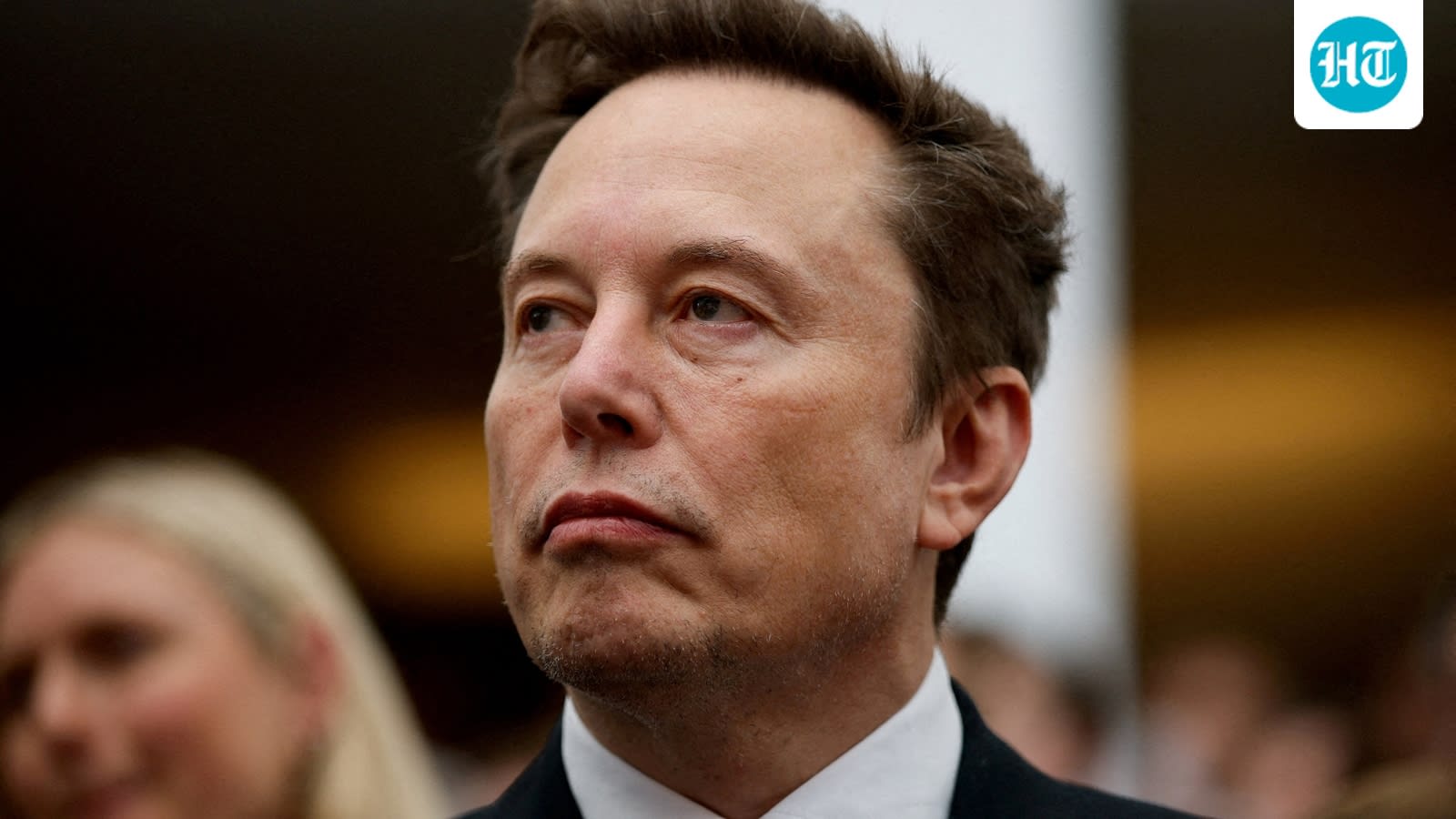
Elon Musk has funneled over $445 million into Republican-aligned political efforts during the current election cycle. This substantial financial backing aims to influence key Senate races and bolster GOP success in what are projected to be the most expensive midterms in history.
The Financial Powerhouse: Musk’s Influence on US Midterms
Elon Musk, the world’s wealthiest individual, has fundamentally altered the financial landscape of the upcoming United States midterm elections. By contributing over $445 million to Republican-aligned causes, Musk has provided a massive injection of capital that significantly widens the fundraising gap between the Republican party and their Democratic counterparts. This unprecedented level of individual financial participation marks a new chapter in American political spending, where high-net-worth individuals exert direct, outsized influence on electoral outcomes.
The Mechanics of the Funding
The core of this financial mobilization is centered around the America PAC, which Musk restarted in July. According to Federal Election Commission (FEC) filings, the pace of these donations has accelerated dramatically in the final stretch of the campaign. Specifically, Bloomberg reports that Musk contributed $77 million to the PAC in just the first two weeks of October alone. Since the PAC’s reactivation, a total of $355 million has been channeled through this vehicle, demonstrating a focused and aggressive strategy to influence voters before the November deadline.
Strategic Targeting of Senate Races
The allocation of these funds is not merely a blanket donation but a strategic effort to sway pivotal contests. By directing millions toward key Senate races, Musk is signaling a prioritization of legislative control. In the context of American politics, the Senate serves as a critical gatekeeper for executive appointments, judicial confirmations, and federal policy. By pouring resources into these specific battlegrounds, the goal is to shift the balance of power in Washington, effectively turning the financial tide in races that are decided by razor-thin margins.
The Era of Record-Breaking Spending
These midterm elections are currently projected to be the most expensive in United States history. Musk’s contribution represents a significant portion of this ballooning expenditure, reflecting a broader trend where campaign finance is increasingly defined by massive, concentrated donations rather than smaller, grassroots contributions. This shift highlights the evolving nature of political campaigning, where digital-age wealth can be weaponized to dominate advertising airwaves and mobilize voter turnout efforts at an unprecedented scale.
Broader Implications for Political Discourse
The implications of such substantial individual contributions are profound. Critics often point to the potential for such large-scale donations to alienate voters who feel the democratic process is being captured by corporate and billionaire interests. Conversely, proponents argue that such spending is a protected form of political speech. As these elections approach, the role of Musk’s financial backing will likely remain a central theme, raising questions about how campaign finance laws and the influence of the ultra-wealthy will shape the future of American governance.
Looking Toward the Future
As the November vote approaches, the long-term impact of this $445 million investment remains to be seen. If these funds successfully flip key Senate seats, it could cement a new paradigm where major political shifts are effectively 'bought' through concentrated, high-dollar PAC activity. Regardless of the electoral outcome, Musk’s actions have set a new benchmark for individual political involvement, ensuring that future election cycles will likely see even greater levels of financial competition.
Verification Required?