17 better ways Elon Musk could have wasted $446 million
Source Entity
Elizabeth Lopatto
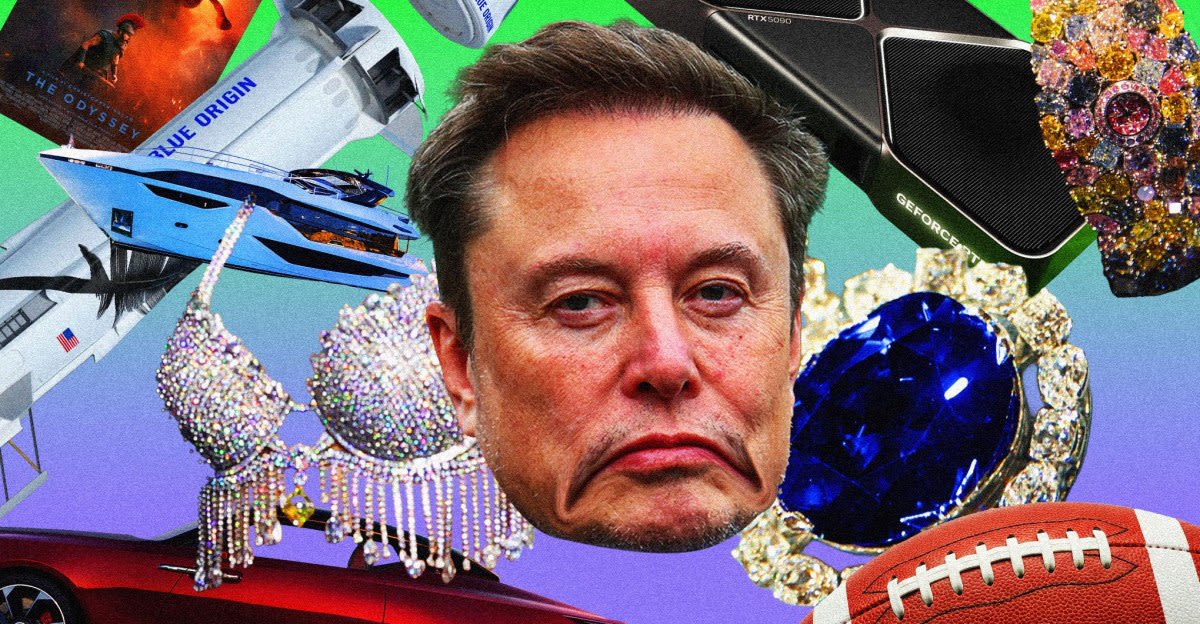
Elon Musk's America PAC invested nearly $500 million into midterm election efforts, including a failed attempt to unseat Texas Democrat James Talarico. The expenditure reflects the influence of high-net-worth individuals in modern political cycles and the resulting public scrutiny.
The Financial Stakes of Political Influence
The recent disclosure regarding Elon Musk’s America PAC and its significant financial footprint in the midterm elections highlights a growing trend of massive private capital injection into local and national political contests. With nearly $500 million directed toward various political objectives, the scale of this spending raises fundamental questions about the role of extreme wealth in democratic processes. The specific focus on targeting individual candidates represents a shift toward highly personalized and aggressive campaign financing strategies.
The Texas Case Study: Talarico vs. Paxton
One of the most notable examples of this strategy was the attempt to unseat Texas Democrat James Talarico. The America PAC allocated roughly $47 million in an effort to influence the outcome, backing Ken Paxton in a bid to reshape the local political landscape. However, the electorate chose to ignore this external pressure, with Talarico securing a decisive victory by capturing 55 percent of the vote. This outcome serves as a stark reminder that even vast financial resources cannot always overcome entrenched local support or shifting voter preferences.
The Psychological Cost of Digital Discourse
Beyond the raw financial data, there is a mounting concern regarding the influence of social media on the decision-making processes of the ultra-wealthy. The narrative suggests that prolonged engagement with platforms like X (formerly Twitter) may lead to an echo chamber effect, where high-profile figures become detached from the realities of the average voter. By prioritizing attention-seeking metrics and polarized discourse, donors may find themselves making strategic electoral bets that are fundamentally disconnected from the priorities of the actual constituency.
Implications for Future Election Cycles
As we look toward future election cycles, the model established by the America PAC suggests a continued reliance on Super PACs to exert influence. This trend likely points toward a future where campaign finance totals continue to balloon, potentially drowning out grassroots fundraising efforts. The failure of this specific $47 million investment in Texas may lead to a re-evaluation of how effectively money can be converted into political power, or conversely, it may prompt even more aggressive spending to compensate for past losses.
Conclusion: Assessing the Return on Investment
Ultimately, the efficacy of spending $446 million—or nearly $500 million in total—on political outcomes remains a subject of intense debate. When high-profile donors suffer significant losses in key races, it invites scrutiny regarding the strategic utility of such massive expenditures. Moving forward, the relationship between digital platform engagement and political decision-making will remain a critical area of study, as the intersection of technology, social media, and campaign finance continues to evolve.