US Midterms: Elon Musk, 3 other tech billionaires among Trump’s biggest backers
Source Entity
TOI TECH DESK
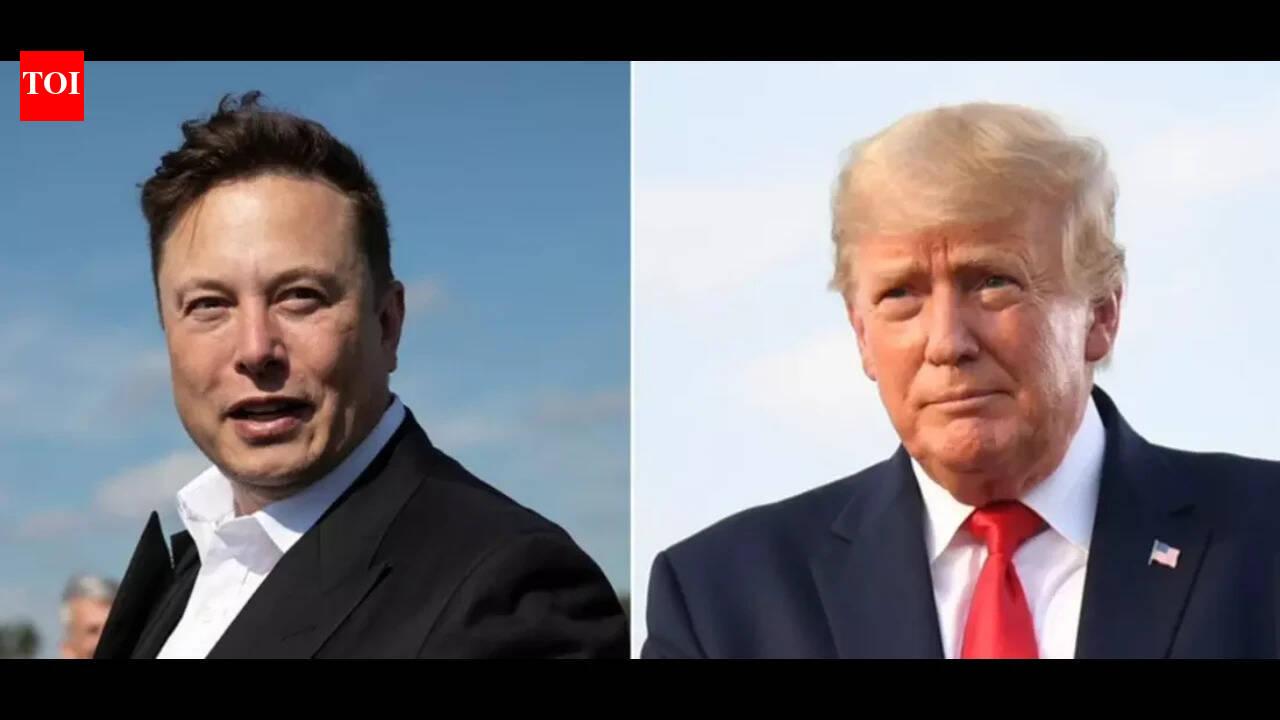
Tech billionaires led by Elon Musk invested heavily in Republican candidates during the 2026 midterms, but the strategy failed as Democrats secured control of Congress. This political setback triggered a sharp decline in the valuations of Musk's companies, Tesla and SpaceX.
The Tech Billionaire Gamble: A Post-Midterm Political Analysis
The Shift in Political Influence
The 2026 US midterm elections marked a significant watershed moment for the intersection of Silicon Valley wealth and national politics. As reported, four prominent tech titans—Elon Musk, Larry Ellison, Michael Dell, and Marc Benioff—stepped into the political arena with unprecedented financial force. Elon Musk emerged as the most significant individual donor, channeling $474 million into Republican campaigns. This massive infusion of capital represented a high-stakes bet on a Republican sweep that ultimately failed to materialize.
The Failure of the Strategy
Despite the massive financial backing from these technology leaders, the electoral outcome favored the Democratic Party, which secured control of both Congressional chambers. This result serves as a stark reminder of the limits of financial influence in modern American politics. The failure to secure a Republican victory not only signaled a shift in voter sentiment but also left major donors like Musk vulnerable to the consequences of a hostile legislative environment.
Market Volatility and Investor Sentiment
The correlation between political outcomes and corporate performance was immediate and severe. Following the election results, shares of Tesla and SpaceX saw significant dips, losing a combined $130 billion in market value in a single day. While the broader S&P 500 index rallied by 1.6%, Musk’s companies underperformed, reflecting investor anxiety regarding the potential for regulatory or political headwinds under a Democratic-led Congress.
Regional Indicators and Voter Sentiment
The Texas Senate race and the gubernatorial contest between Gina Hinojosa and Greg Abbott served as critical bellwethers for the broader political climate. These races were widely interpreted as a referendum on the influence of tech figures like Musk in local and national politics. The success of Democratic candidates in these areas suggests that voters responded negatively to the heavy involvement of billionaire donors, effectively neutralizing the expected political leverage these contributions were meant to purchase.
Diversified Strategies of the Elite
Beyond direct election donations, the tech elite employed varied strategies to exert influence. Larry Ellison utilized a more subtle approach with a $45 million hidden contribution, while Michael Dell focused on long-term policy branding through a $6.25 billion pledge for 'Trump Accounts' intended for disadvantaged youth. These diverse methods highlight an evolving landscape where billionaires attempt to blend philanthropic gestures with partisan political agendas, a strategy that faces increasing scrutiny from the public and the market alike.
Future Implications for Tech and Policy
As the political landscape shifts toward a Democratic majority, the tech industry faces a period of uncertainty. The inability of Musk’s $474 million gamble to yield tangible political control suggests that the 'tech billionaire' influence strategy may be due for a fundamental reassessment. Moving forward, companies like Tesla and SpaceX must navigate a legislative body that is now less aligned with their primary backers, likely leading to stricter oversight and a more complex relationship between corporate innovation and federal policy.