Elon Musk Deletes Pro-Republican Posts After Spending Rs 4,400 Crore On Midterms
Source Entity
NDTV News Search Records Found 1000
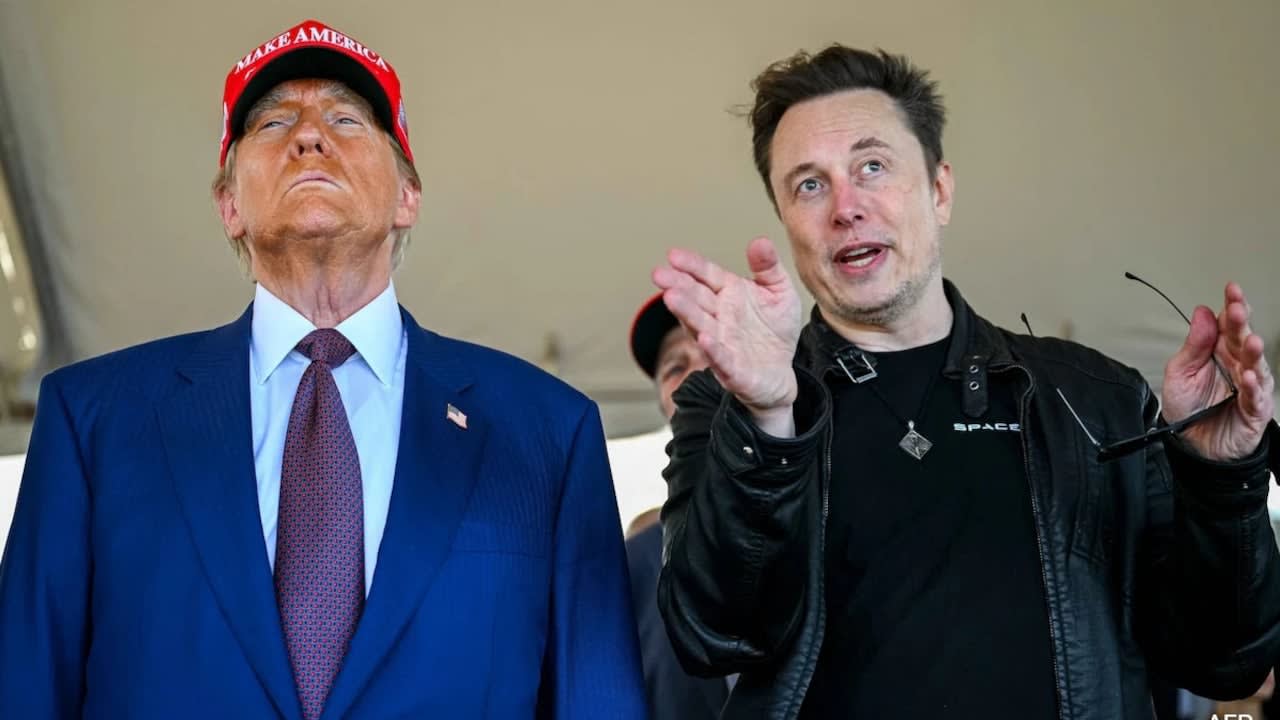
Tech billionaires including Elon Musk, Larry Ellison, and Michael Dell faced significant political setbacks after their massive financial backing of Republican candidates failed to influence the 2026 US midterm results. Despite record-breaking donations, Democratic victories led to a market backlash against Musk's companies, Tesla and SpaceX.
The Billionaire Political Gamble: A Post-Midterm Analysis
The 2026 US midterm elections have concluded with a decisive Democratic victory, securing control over both Congressional chambers. While the political landscape shifted, the narrative was dominated by an unprecedented infusion of capital from Silicon Valley’s elite. Four major tech figures—Elon Musk, Larry Ellison, Michael Dell, and Marc Benioff—emerged as the primary financiers for the Republican platform, attempting to exert significant influence on the legislative agenda.
The Scale of Financial Intervention
Elon Musk led this cohort with an staggering $474 million investment in Republican candidates. This massive expenditure was intended to secure political leverage and ensure a favorable regulatory environment for his ventures. Alongside him, Larry Ellison contributed $45 million to the Trump 2024 campaign, while Michael Dell pledged an eye-watering $6.25 billion to establish 'Trump Accounts' for disadvantaged youth. These actions represent a seismic shift in how tech titans engage with the American electoral process.
Market Consequences and Investor Sentiment
Following the Democratic sweep, the markets reacted with volatility, specifically targeting companies linked to these high-profile donors. Shares of Tesla and SpaceX saw significant declines, with SpaceX dropping 3.8% and Tesla slipping 3.6% in premarket trading. This performance stood in stark contrast to the broader market, as the S&P 500 climbed 1.6%. The divergence underscores a growing investor concern regarding the political alignment of corporate leadership and the risks associated with tying company success to partisan electoral outcomes.
The Texas Bellwether
Regional politics served as a microcosm for the broader national failure of this financial strategy. In Texas, the gubernatorial race between Gina Hinojosa and Greg Abbott became a focal point for voter sentiment toward Musk’s involvement. The defeat of Republican candidates in key races suggests that despite the astronomical spending, the 'billionaire influence' did not resonate with the electorate, ultimately failing to translate into the desired political power.
Broader Implications for Corporate Governance
This election cycle highlights a precarious trend: the weaponization of corporate wealth in political campaigns. When billionaires like Musk, Ellison, and Dell inject billions into partisan efforts, they expose their publicly traded entities to political retaliation and reputational risks. The $130 billion collective loss in value for Musk’s firms in a single day serves as a cautionary tale for the tech sector regarding the dangers of high-stakes political gambling.
Future Outlook
As the dust settles, the tech industry faces a reckoning. The failure of this nearly $500 million gamble suggests that electoral outcomes remain driven by broader voter sentiment rather than the sheer volume of campaign spending. Moving forward, we can expect increased scrutiny from both shareholders and regulators regarding the alignment of corporate capital with individual political agendas, potentially forcing a cooling-off period in the direct involvement of tech moguls in national politics.
Multiple Citing Sources
Verification Required?